Andy Warhol
Blue-chip































































Egon Investment Scores
Market Position
Auction Record
Highest price ever paid for a 20th-century artwork at auction; highest price for any American artwork at auction; purchased by Larry Gagosian
- Auction Record
- Date
- May 9, 2022
- Work
- Shot Sage Blue Marilyn (1964)
- Price
- $195,040,000 USD
- Venue
- Christie's New York
- Significance
- Highest price ever paid for a 20th-century artwork at auction; highest price for any American artwork at auction; purchased by Larry Gagosian
- Investment Outlook
- Risks
- Top-end works ($50M+) require rare matching of buyer with global appetite; thin liquidity at extreme price points
- Very large supply may cap long-term appreciation for common editions
- Goldsmith v. Warhol Foundation (SCOTUS 2023) creates uncertainty for appropriation-based estate works
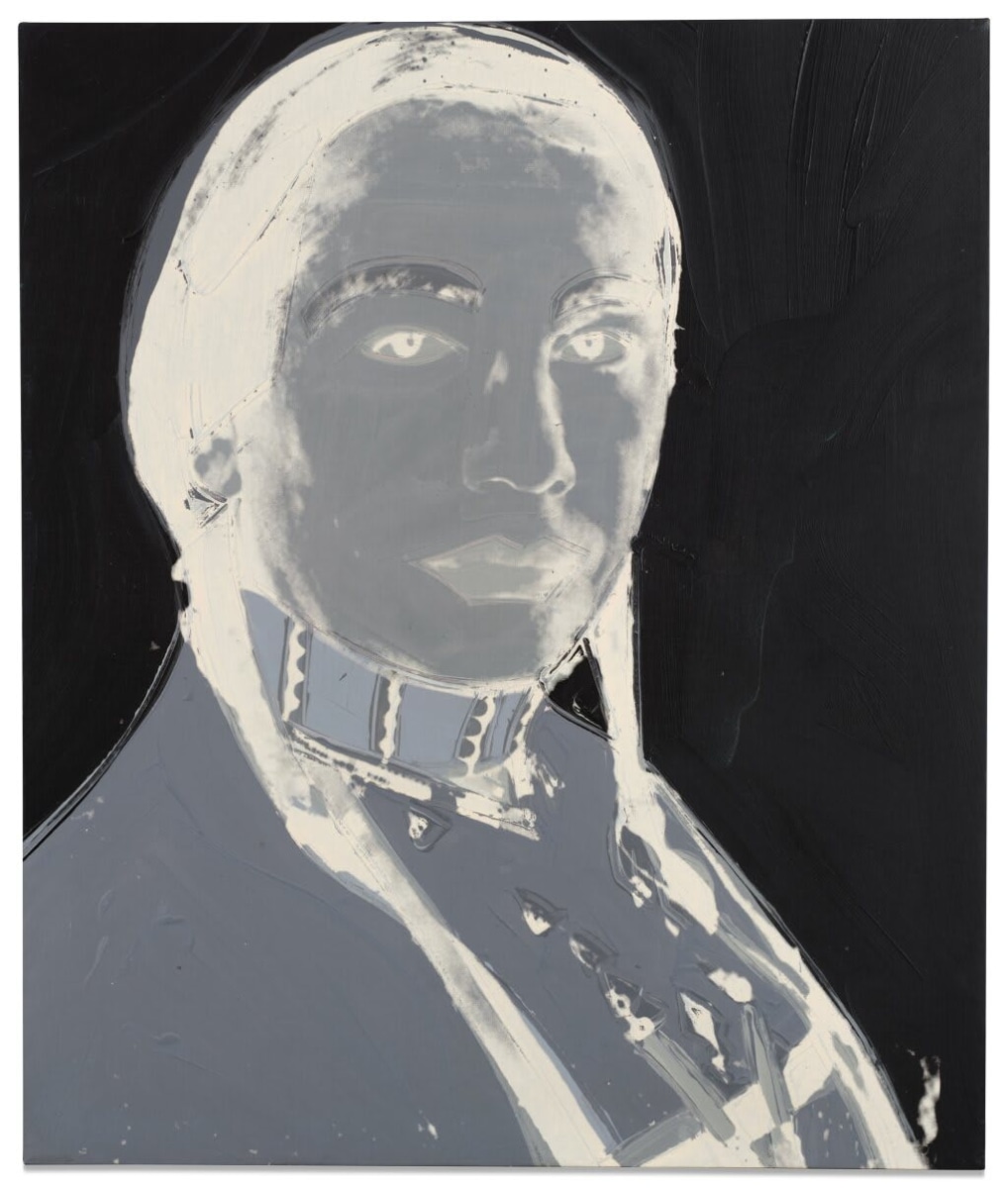
- Some recent lots selling below estimate (Muhammad Ali, Jan 2026)
- Authentication complexity following dissolution of Warhol Art Authentication Board (2011)
- Growth Drivers
- Newly discovered film footage premiered at MoMA (January 2026) — archival narrative adds estate depth
- Active global exhibition program (Thyssen-Bornemisza 2025–26; Warhol Museum 2026)
- Growing demand from Asian collectors
- Print market expansion with institutional inclusion in evening sales
- Blue-chip recovery confirmed at Art Basel Miami Beach 2025
- Structural blue-chip market recovery: top-100 lots totaled $2.13B in 2025 (+18% vs 2024)
- Price Trajectory
- Peaked spectacularly in May 2022 with $195M Marilyn sale. Some cooling of speculative heat in 2023–2024, but blue-chip core remains structurally robust. 2024–2025 data shows healthy sell-through rates with strong performance for top works. Print market particularly resilient — Endangered Species showing 13.7% CAGR (2015–2024).
- Market Resilience
- Described as 'recession-resistant' by multiple market analysts. One of the most consistent performers in blue-chip art across economic cycles.
- Pricing by Category
- Works on Paper
- Notes
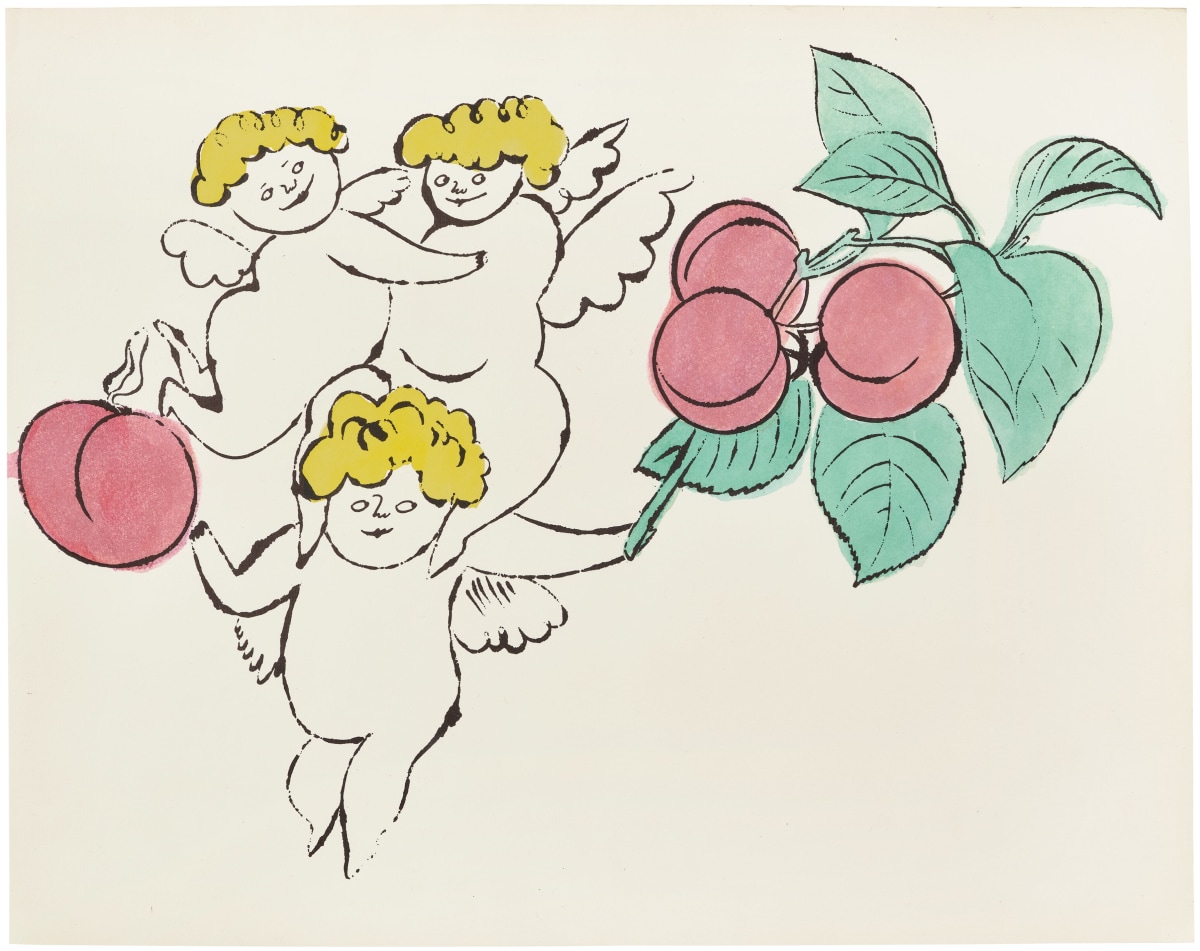
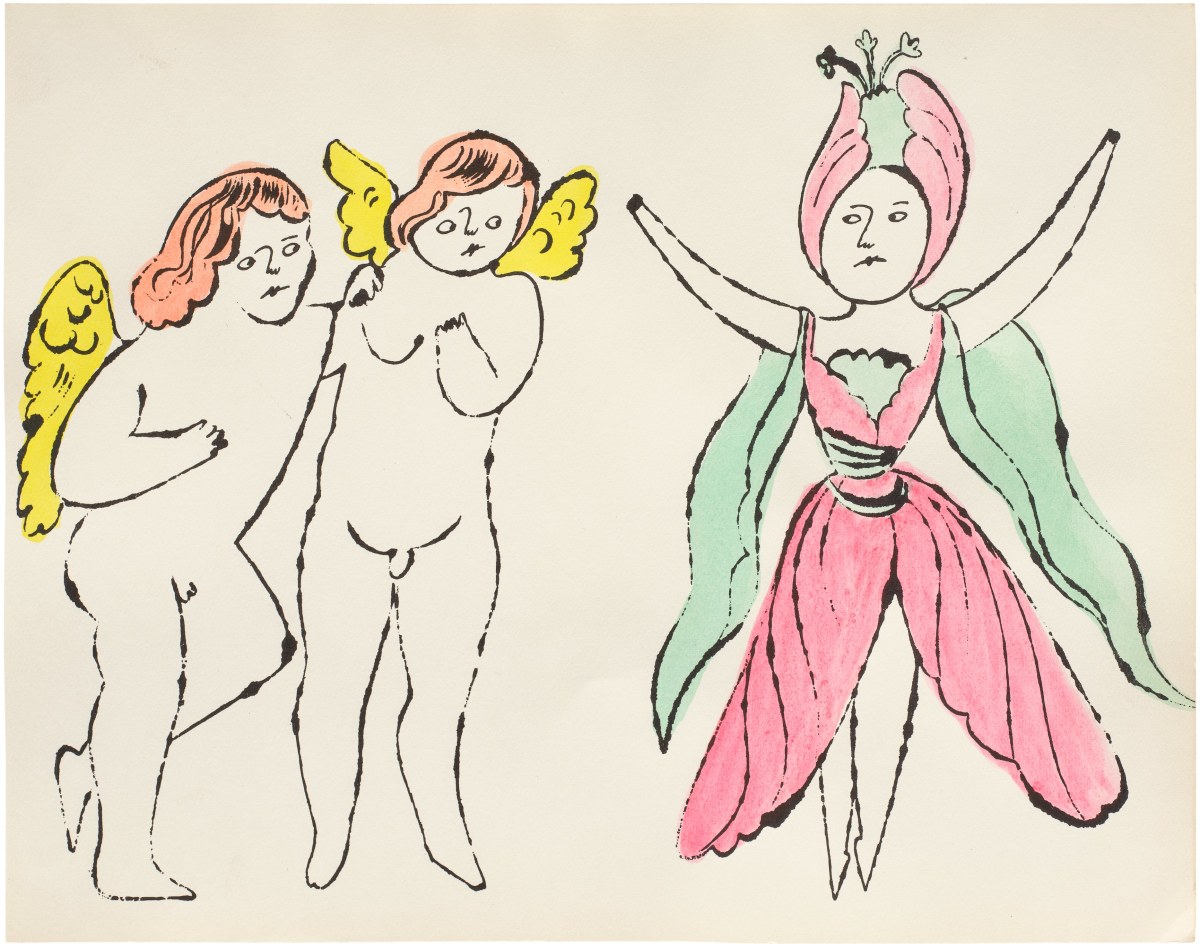
- Growing collector interest; early commercial drawings attract scholarly attention
- Range
- $50,000–$5M+
- Description
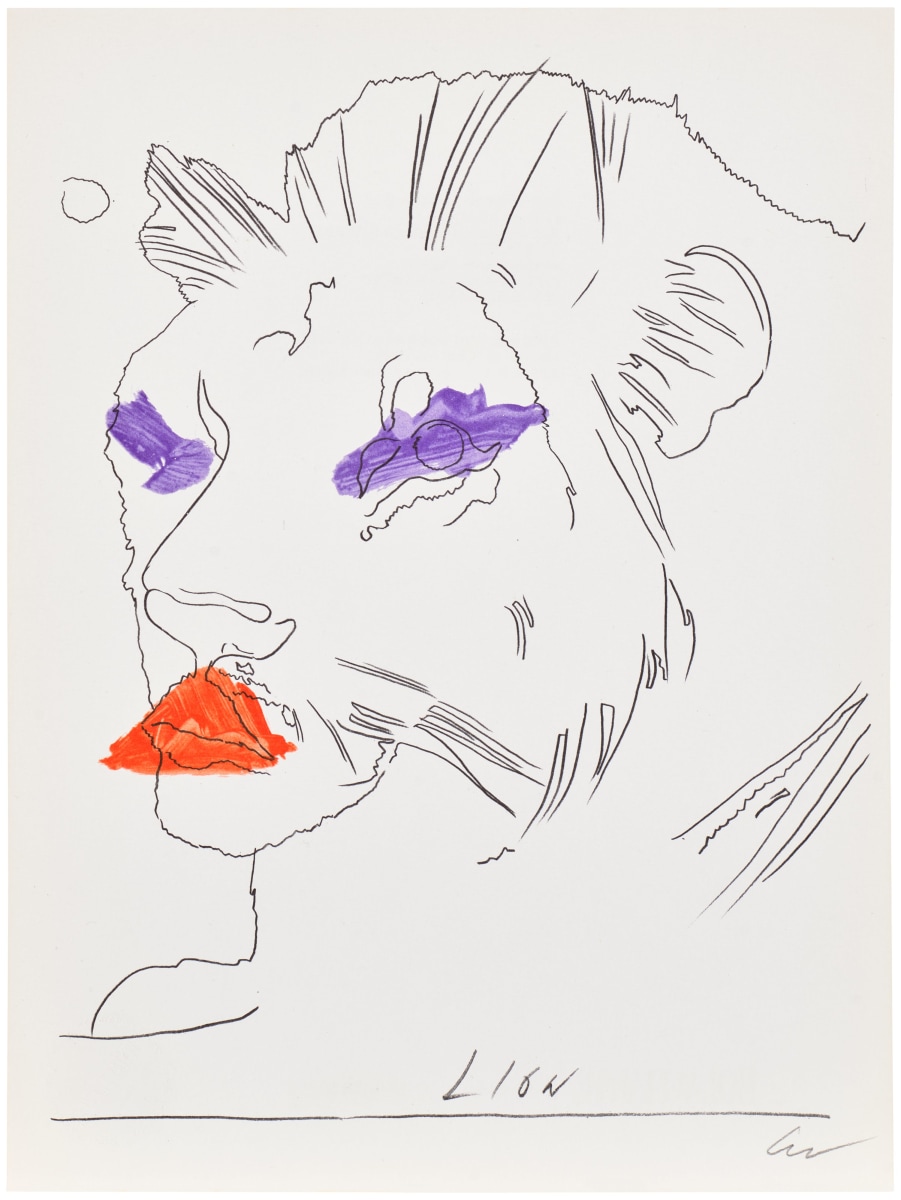
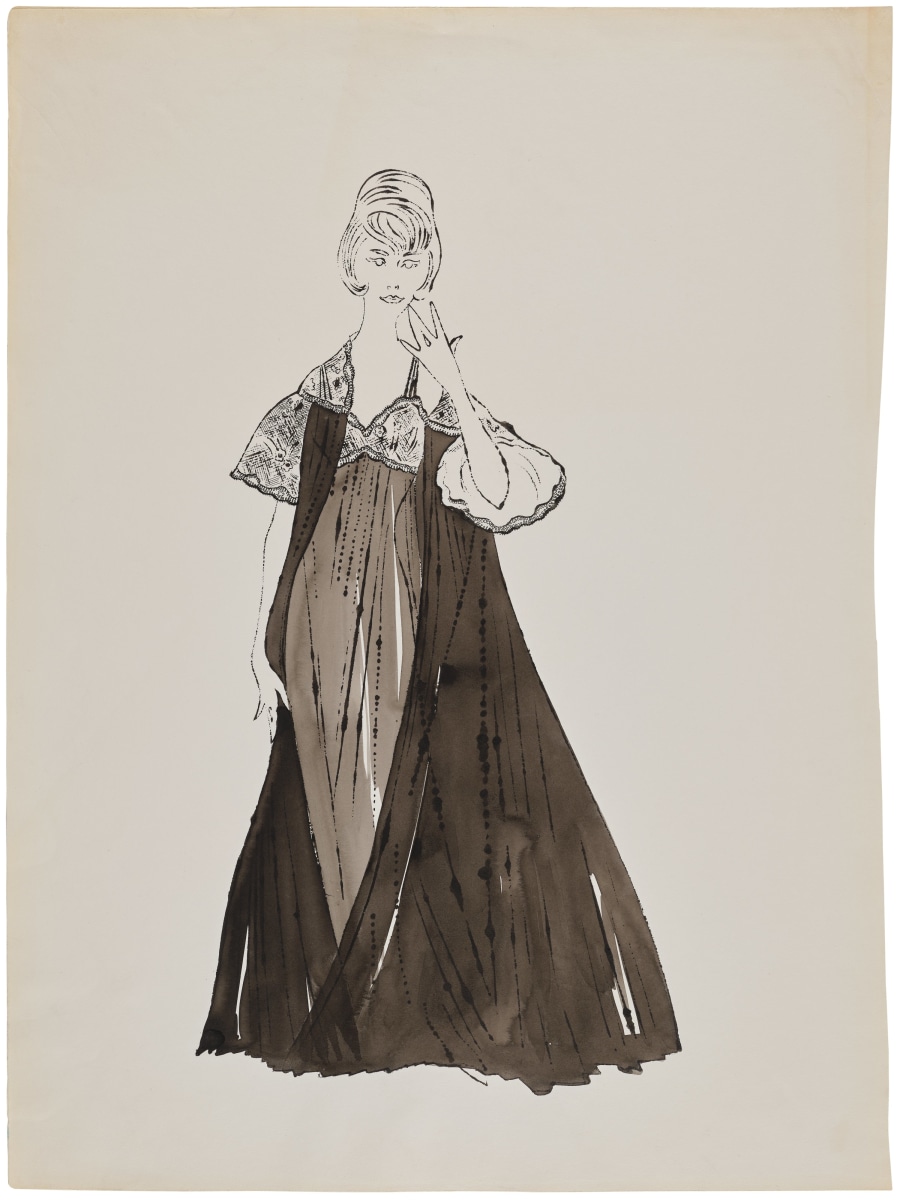
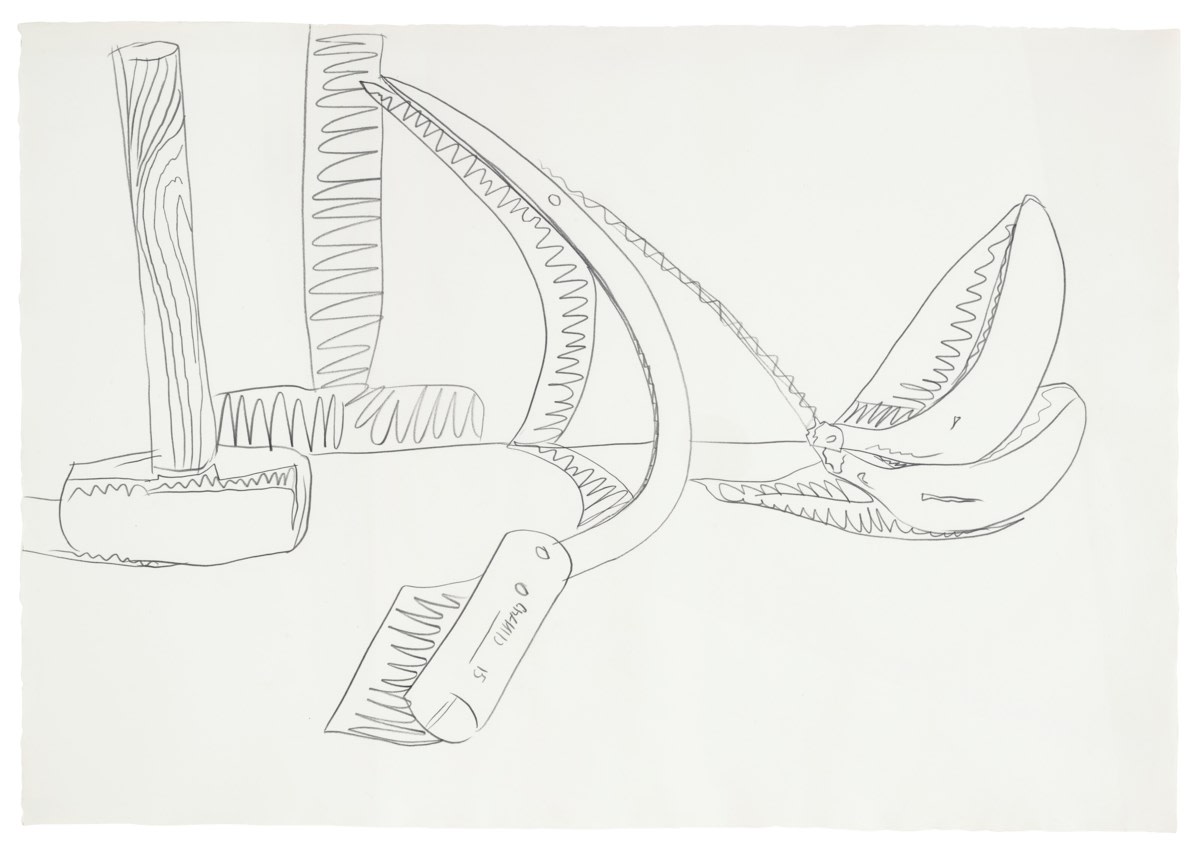
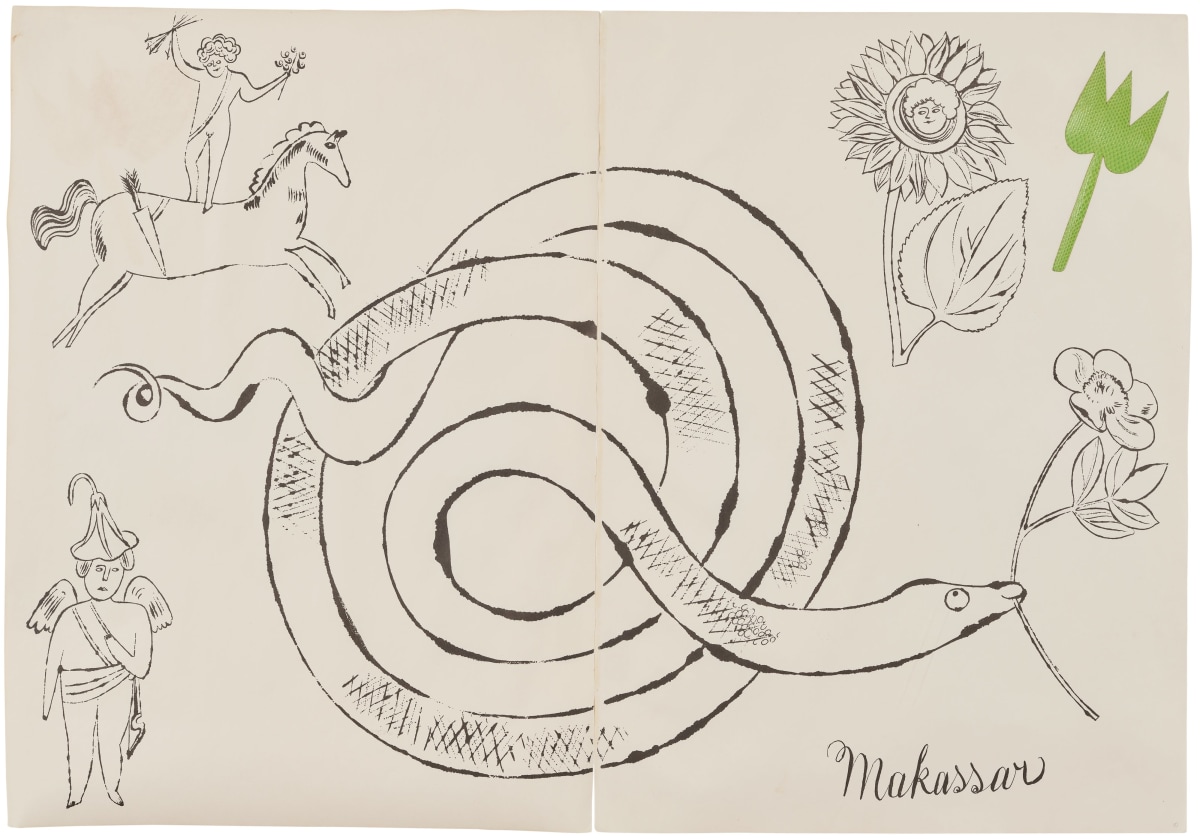
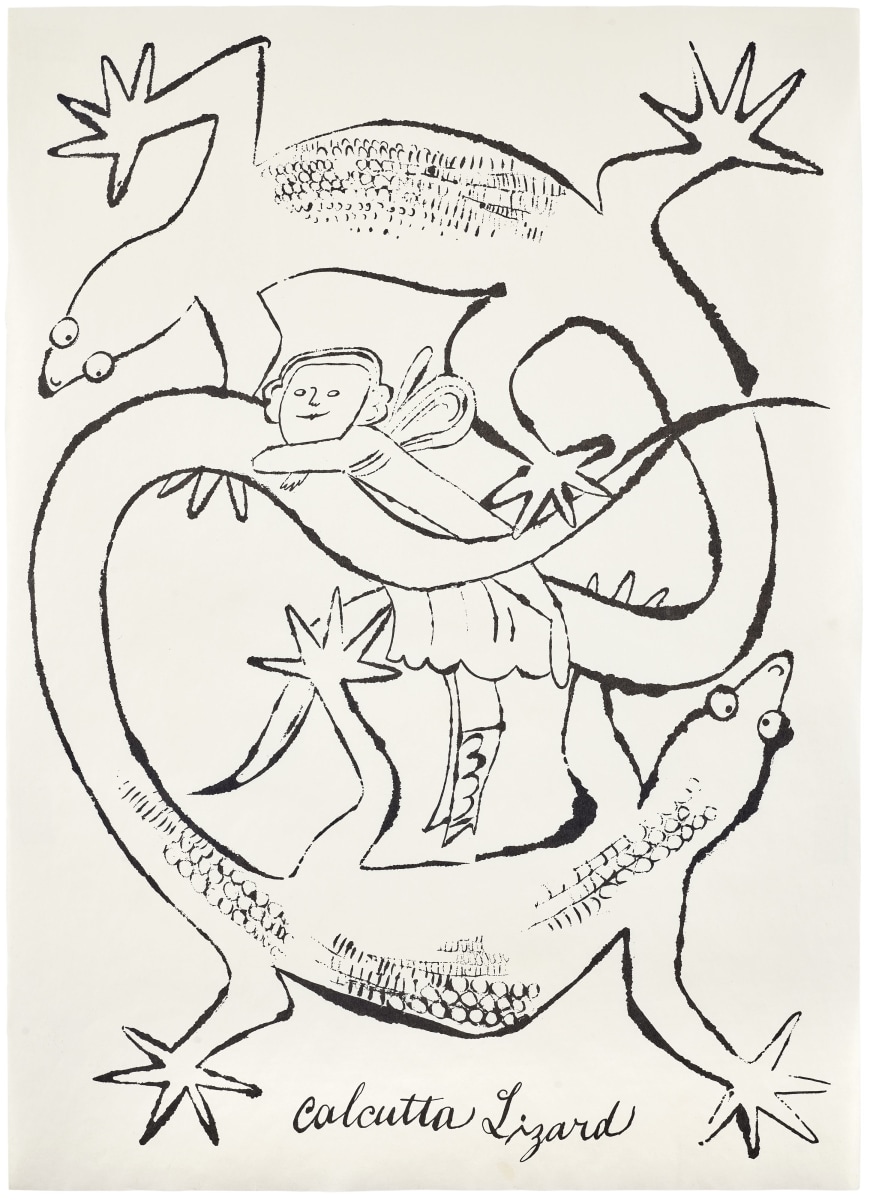
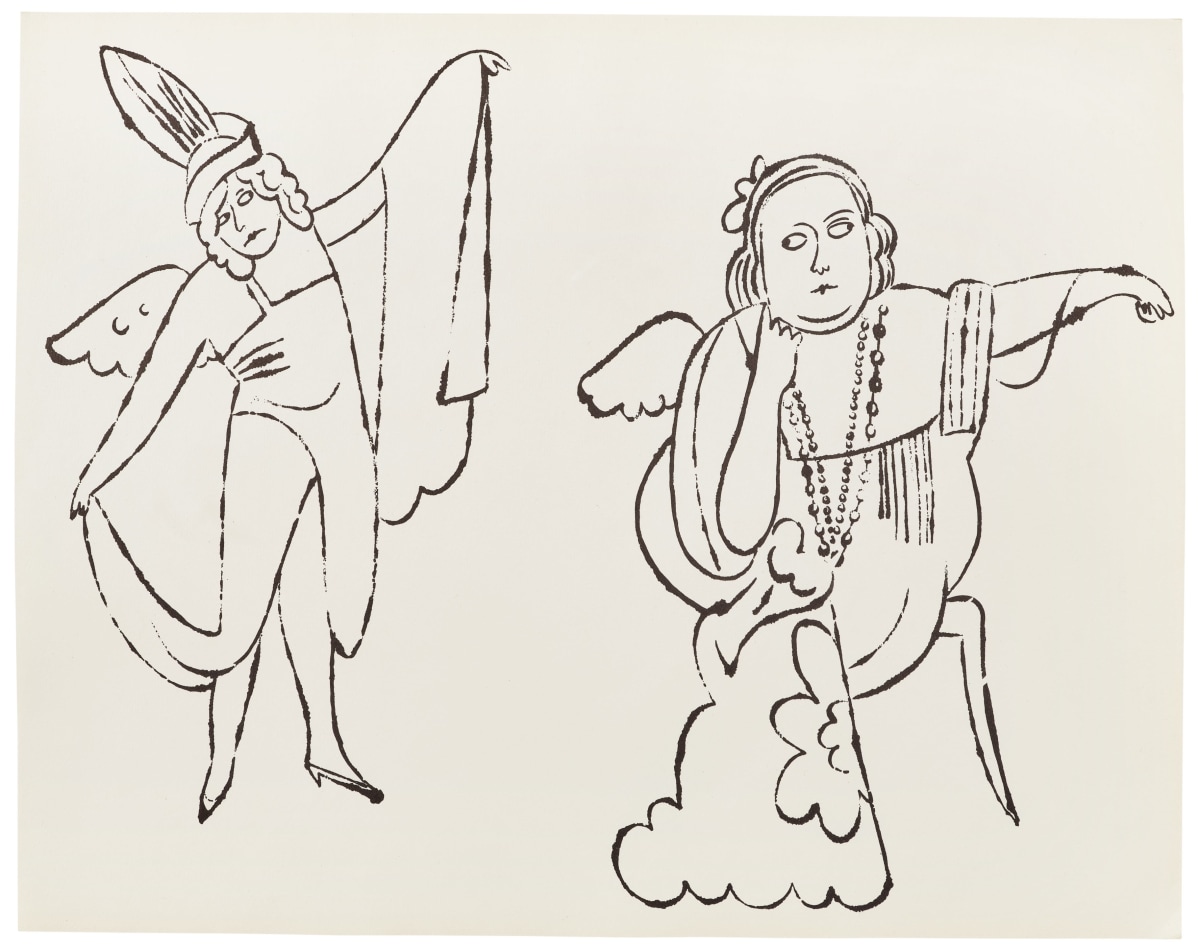
- Early drawings, blotted line works, Polaroids, unique studies
- Prints and Editions Mid
- Notes
- High liquidity; broad collector base; actively traded
- Range
- $10,000–$200,000
- Description
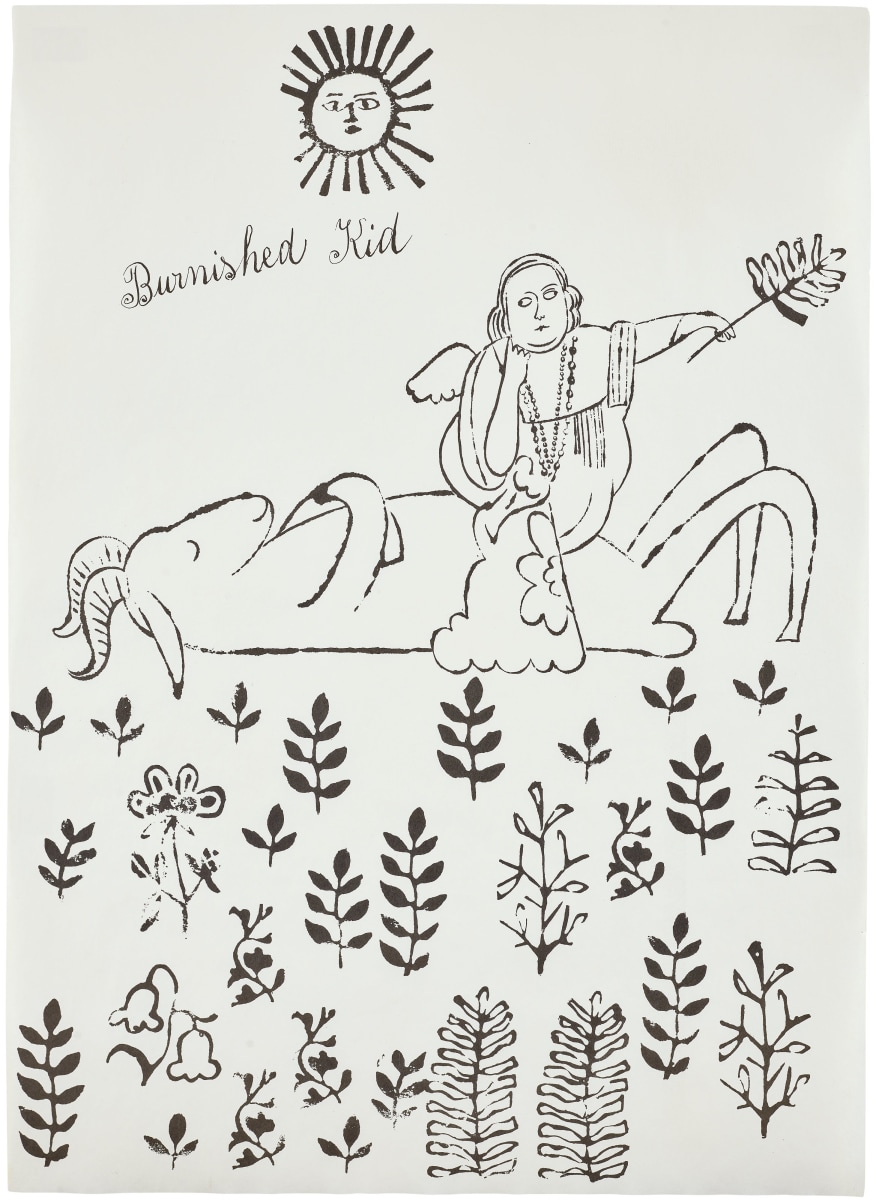
- Myths, Endangered Species, Flowers, Electric Chair edition prints
- Prints and Editions High
- Notes
- Trial Proofs and Complete Sets now included in marquee evening sales; strong appreciation trajectory
- Range
- $50,000–$2M+
- Description
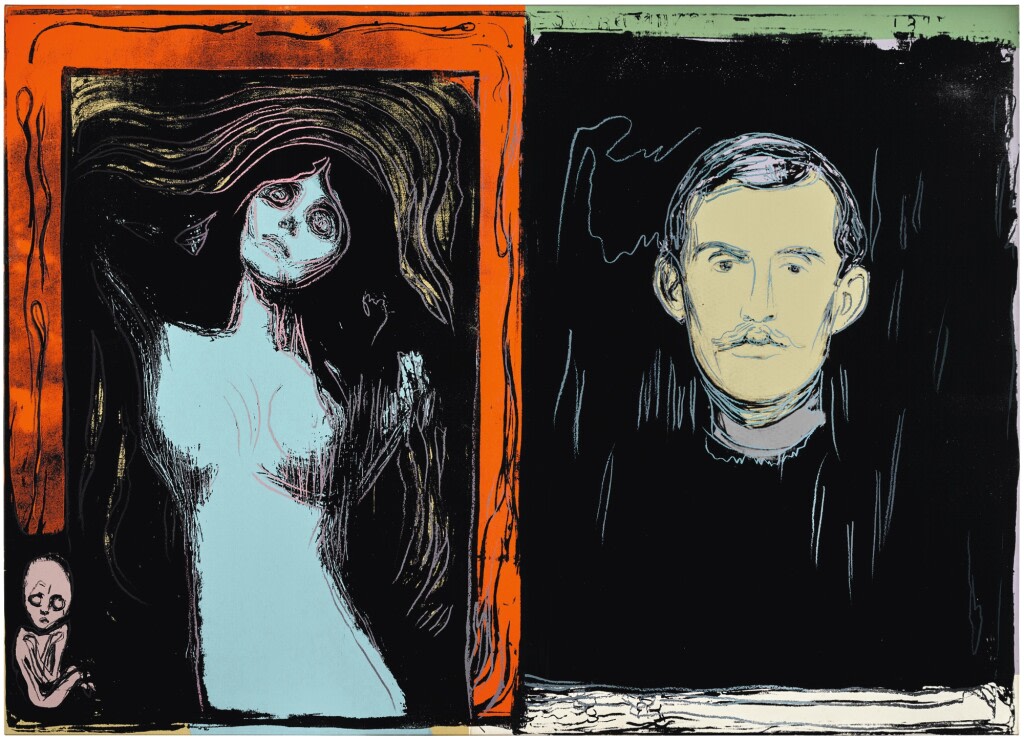
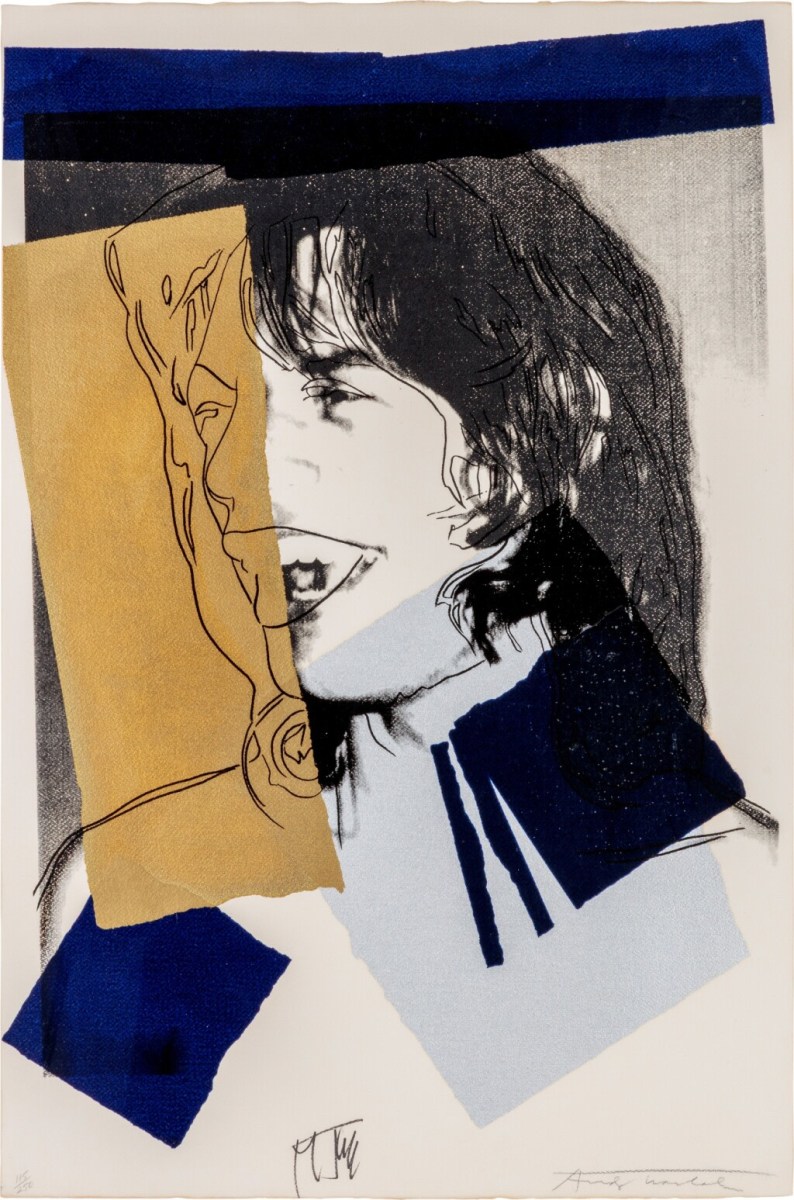
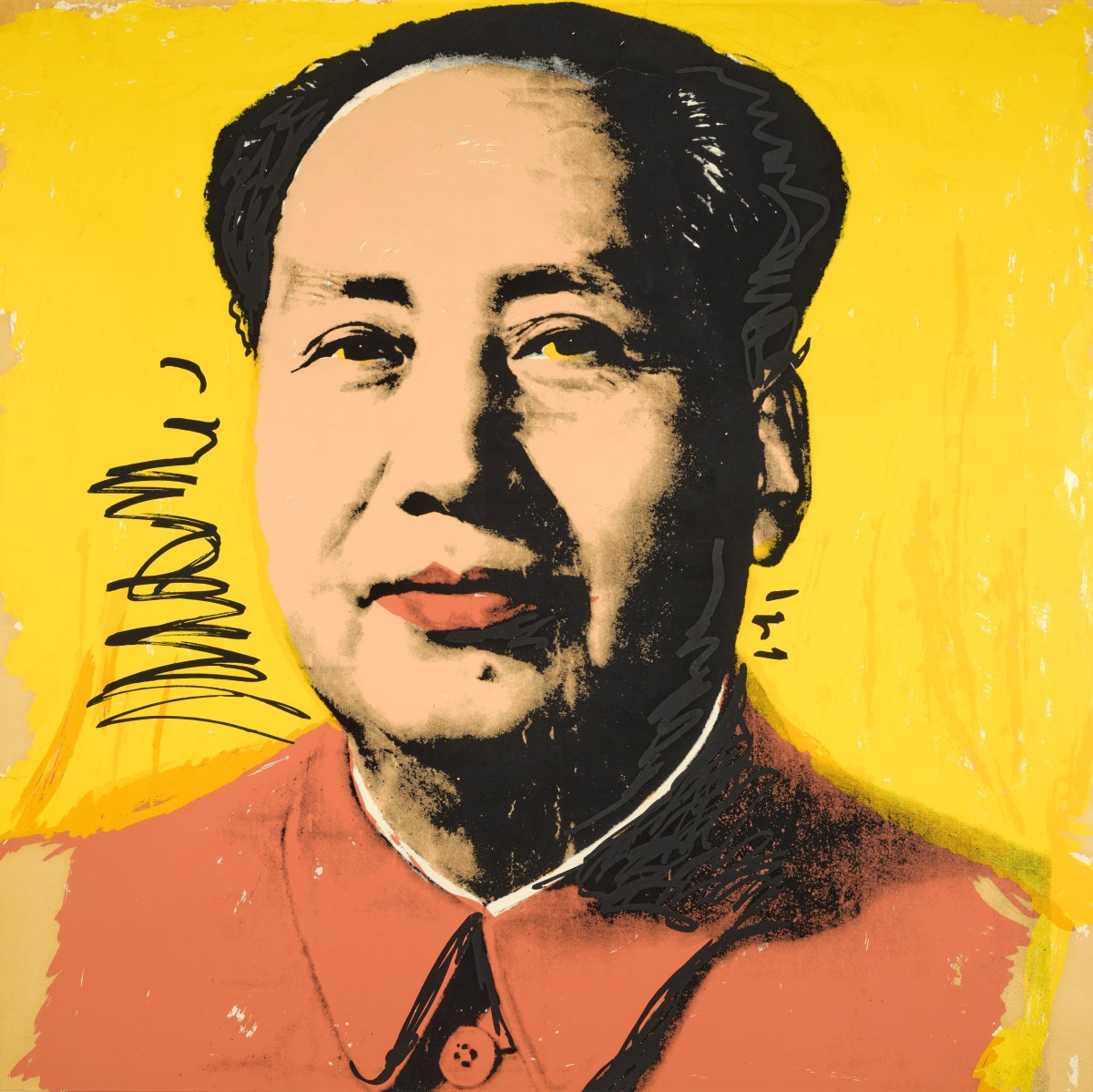
- Major print series: Marilyn, Mao, Complete Sets, Trial Proofs
- Prints and Editions Entry
- Notes
- Entry-level; accessible market with consistent demand
- Range
- $500–$15,000
- Description
- Common editions, small prints, published multiples
- Unique Paintings Mid Tier
- Notes
- Strong institutional and corporate buyer base
- Range
- $1M–$50M
- Description
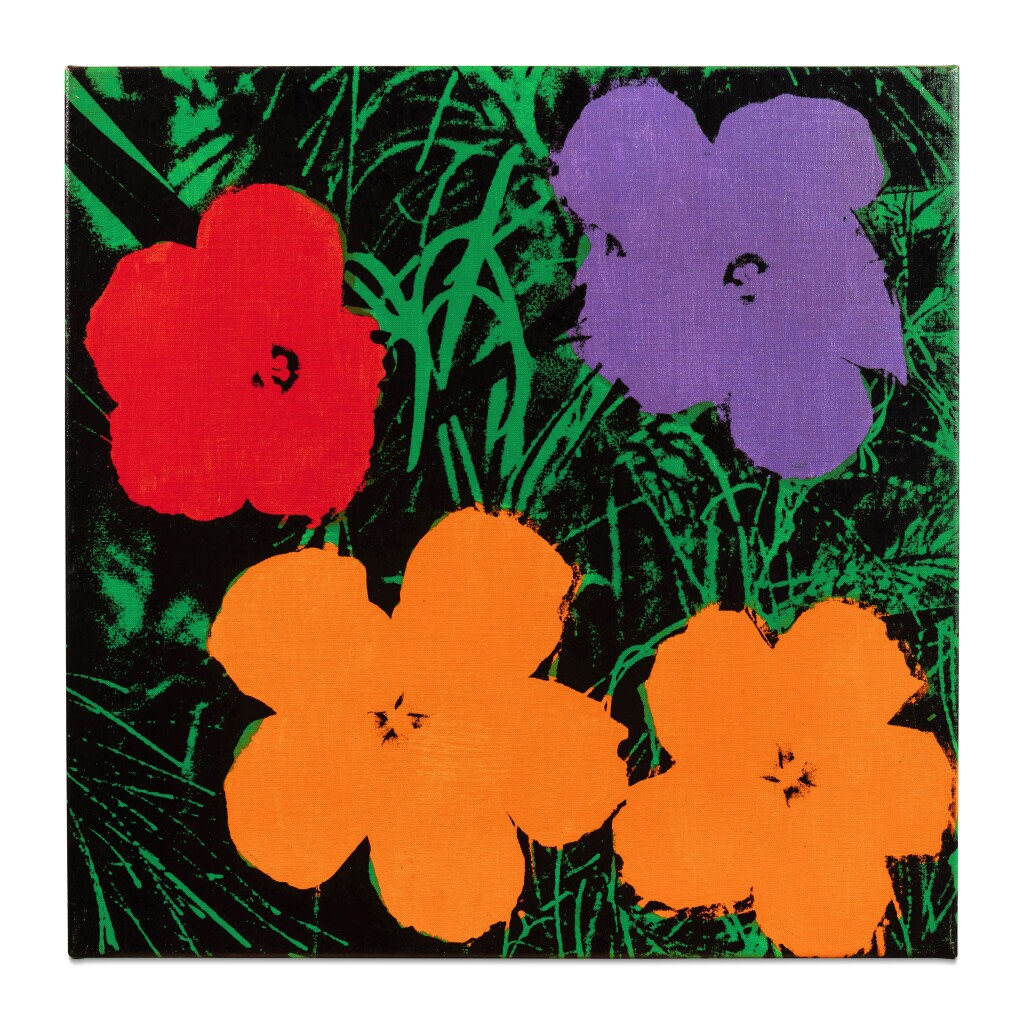
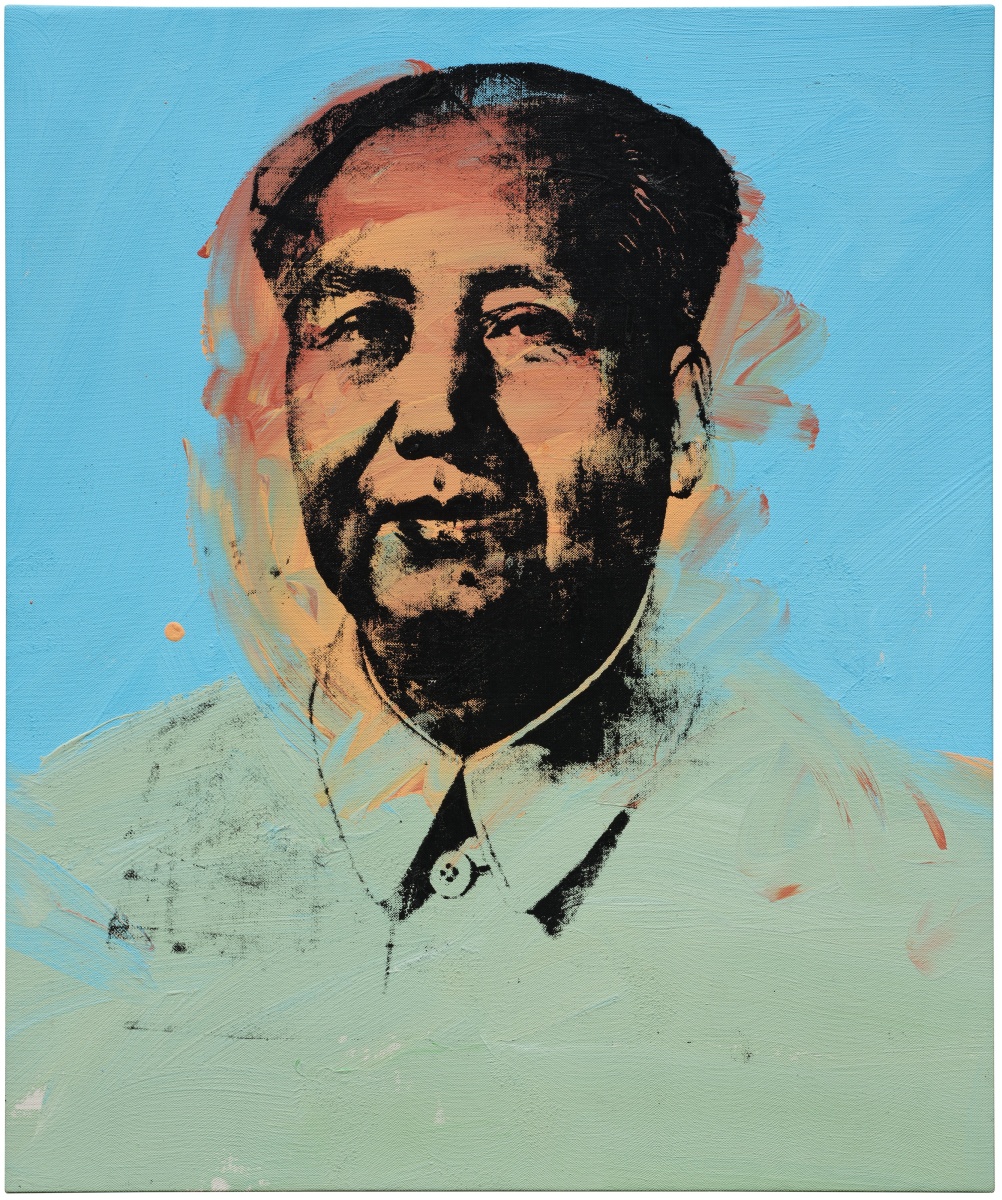
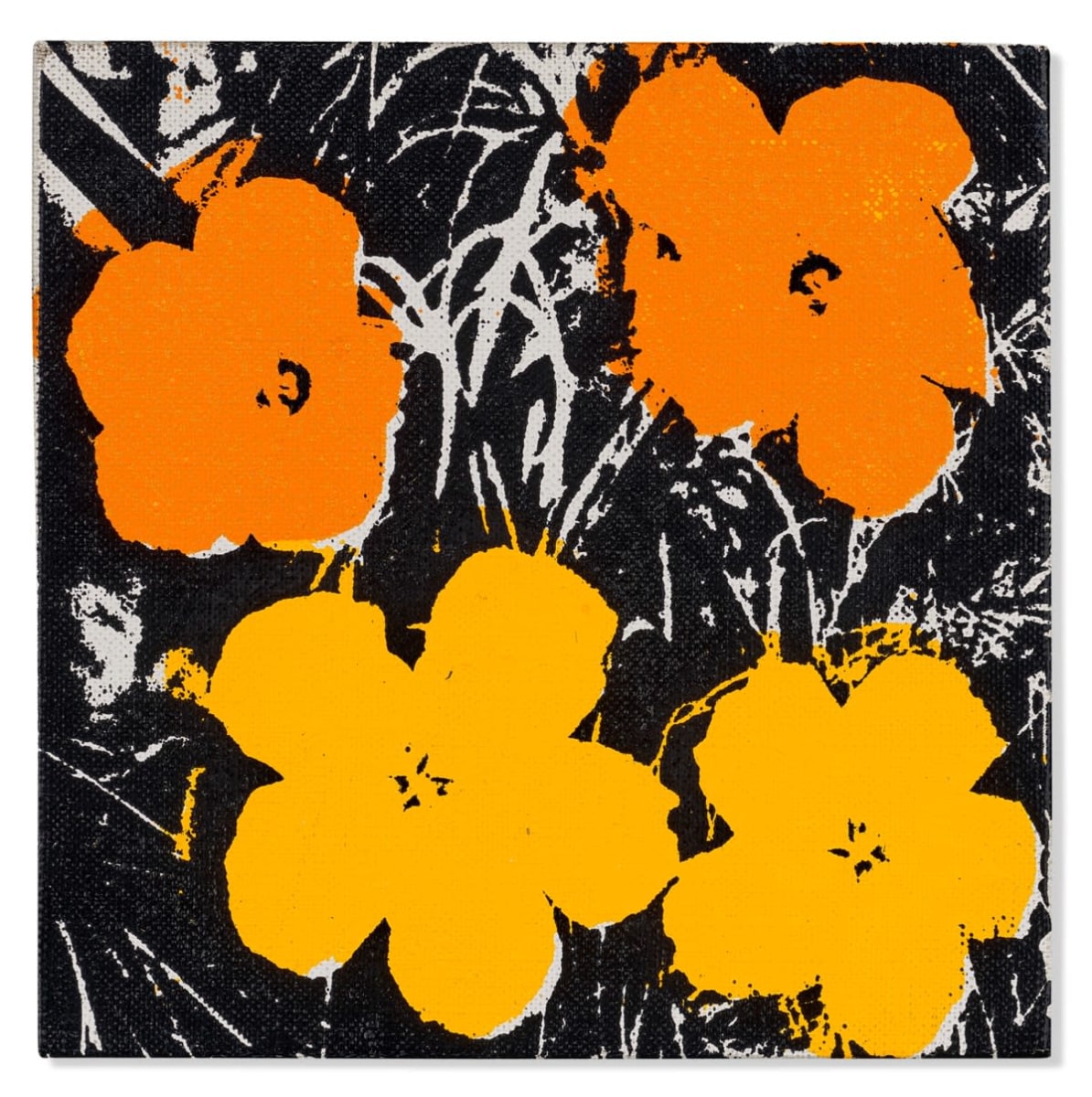
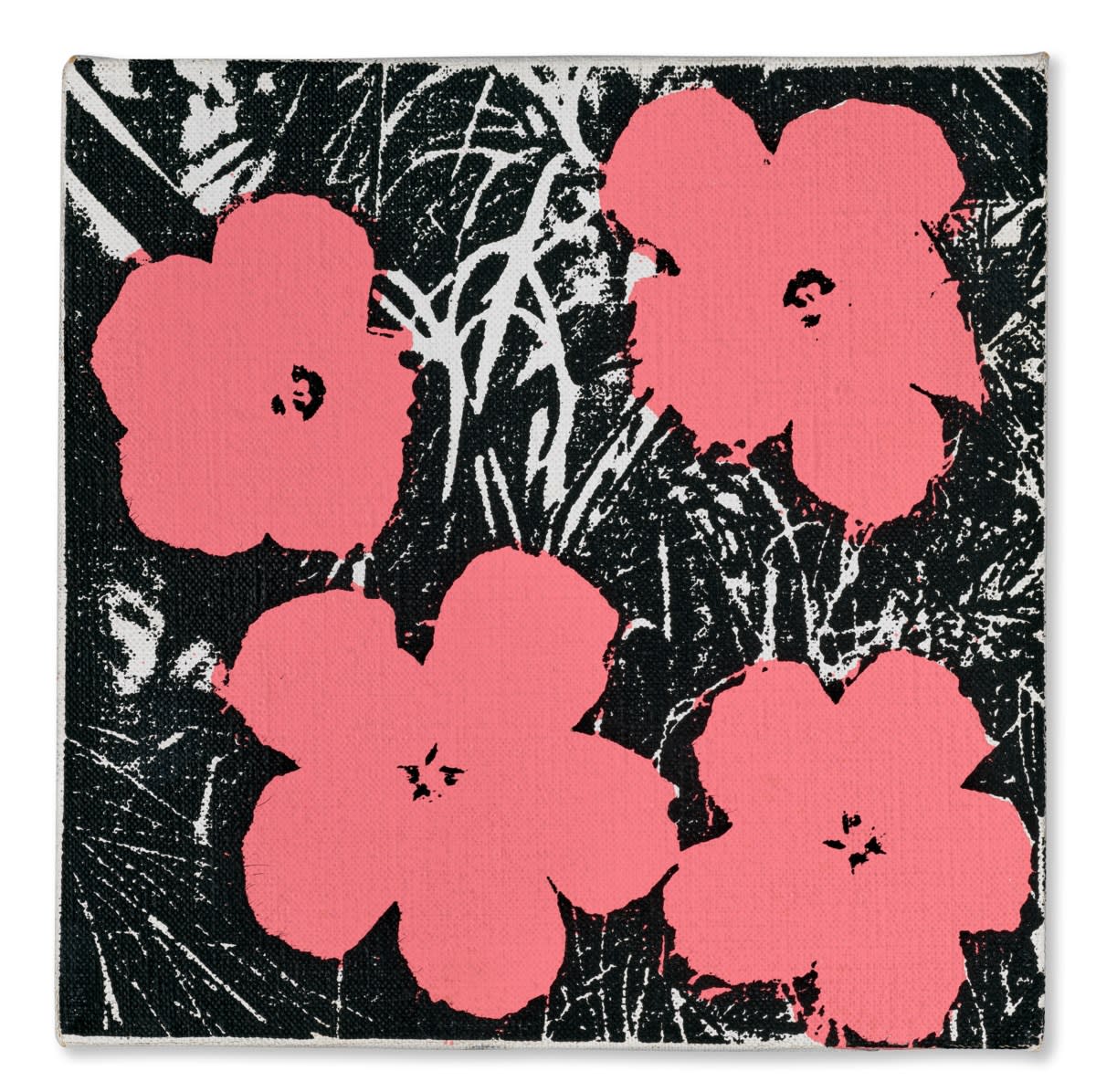
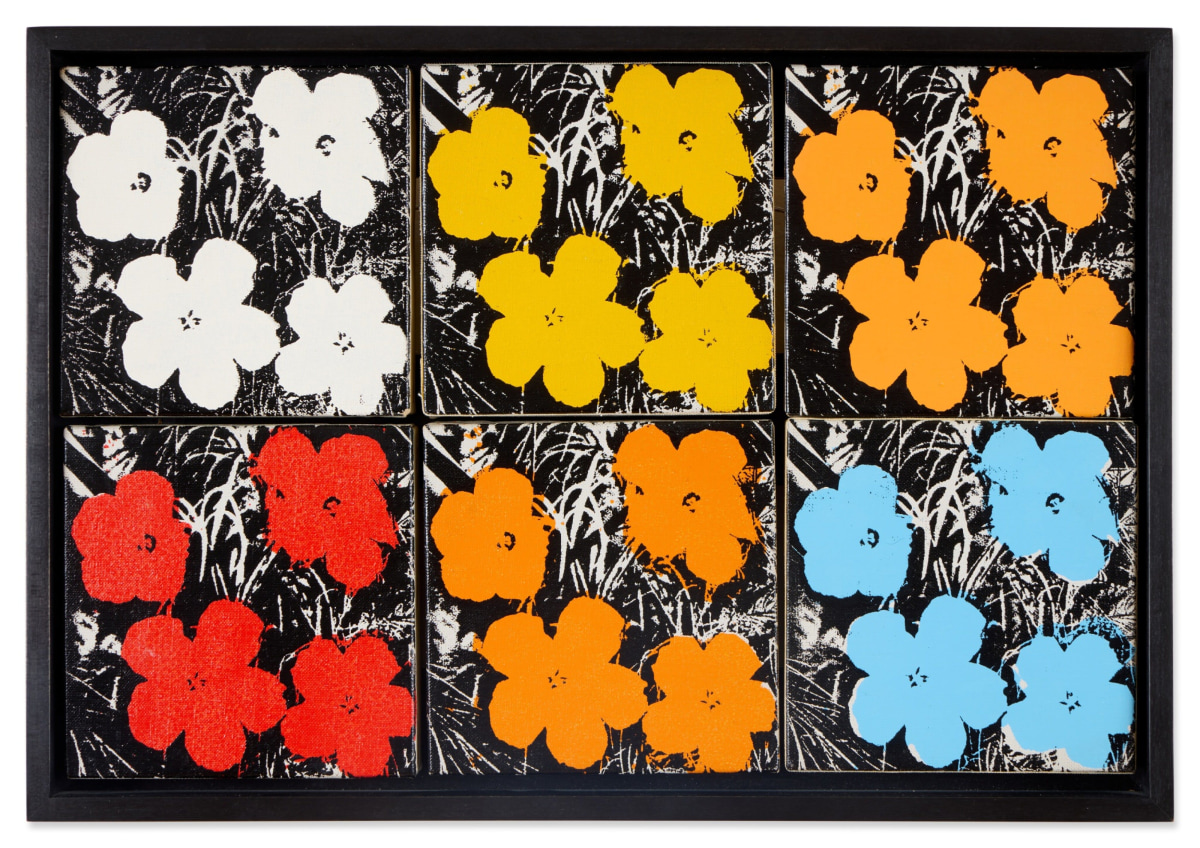
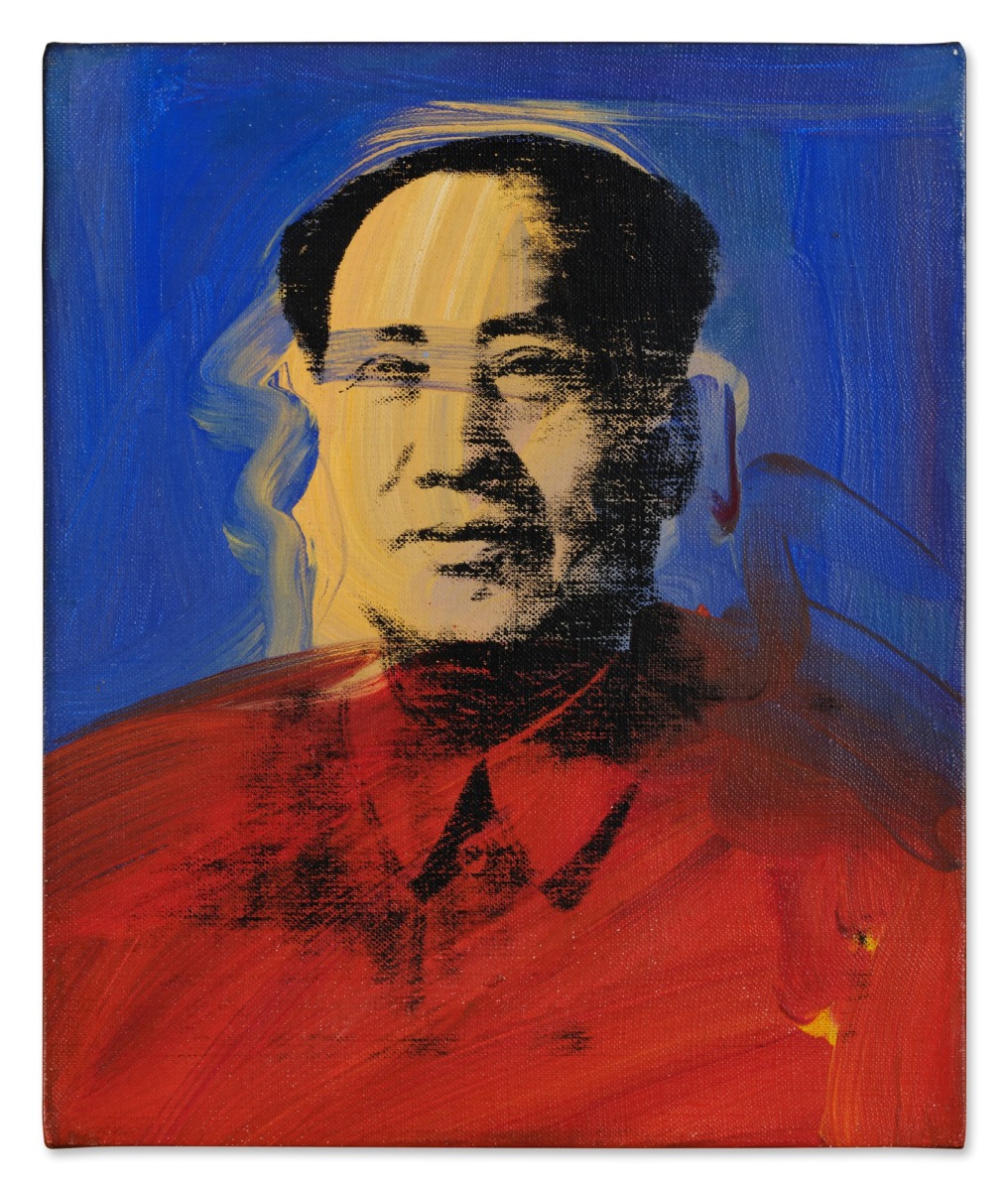
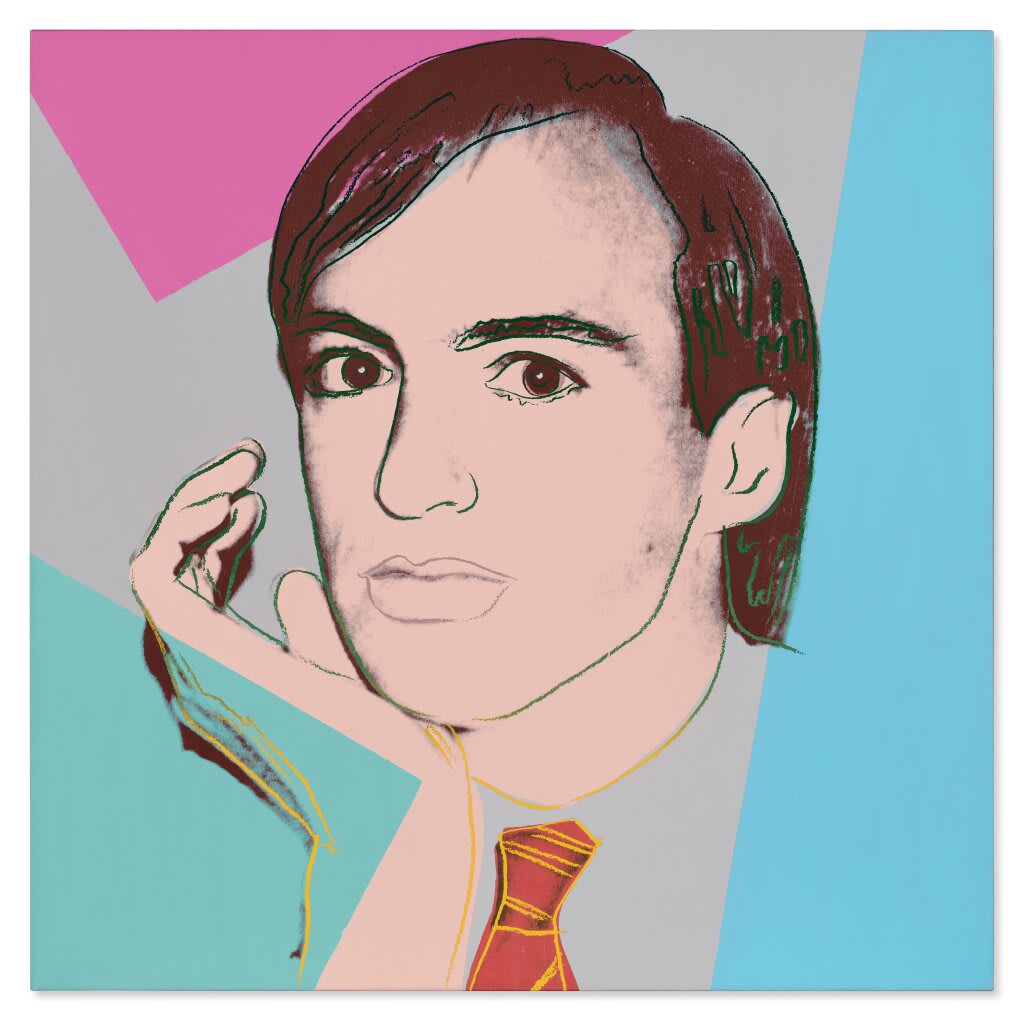
- Celebrity portraits, Flowers, Mao series, Skulls
- Unique Paintings Top Tier
- Notes
- Rarest examples; structurally in the $50–200M zone for canonical works
- Range
- $50M–$195M+
- Description
- Iconic series works (Marilyn, Elvis, Death & Disaster, Campbell's Soup)
- Primary Market Access
- Estate works managed by The Andy Warhol Foundation for the Visual Arts. No active primary gallery. Nearly all transactions on the secondary market via Sotheby's, Christie's, Phillips, Bonhams, and major secondary-market galleries including Gagosian and Ben Brown Fine Arts.
- Recent Sales 2025 2026
- Sold Lots
- 84
- Sell Through Rate
- 87%
- Recent Price Range
- $8,385–$8,127,000
- Total Lots Tracked
- 133
- Recent Average Hammer
- $1,133,200
- Selected Recent Sales
Work Date Price Venue Note The Disquieting Muses (after de Chirico) January 2026 $1,016,000 Sotheby's — Muhammad Ali January 2026 $355,600 Sotheby's Below estimate Santa Claus, from Myths February 2026 $32,000 Sotheby's — Electric Chair: One Print February 2026 $19,200 Sotheby's Exceeded high estimate Photo-Edition for Parkett (Parkett 12) February 2026 $8,960 Sotheby's — African Elephant (Endangered Species) June 2025 £215,900 Phillips New record for this work; +40% over prior record; series CAGR 13.7% since 2015 - Highest Price 2025 2026
- $8,417,560
- Major Historical Records
Work Date Price Venue Note Silver Car Crash (Double Disaster) (1963) November 2013 $105,400,000 Sotheby's — Triple Elvis (Ferus Type) (1963) November 2014 £51,600,000 (~$84M) Christie's — Sixty Last Suppers (1986) 2022 ~£71,000,000 Sotheby's First public appearance in 15 years Four Marilyns (1962) 2013 $34,000,000 Phillips — Debbie Harry (1980) Q1 2023 ~$15,000,000 range Sotheby's First-time auction appearance - Market Volume and Liquidity
- Bought in 2022
- 260
- Annual Lots 2022
- 1219
- Annual Lots 2024
- 1,700+ works sold at auction (estimated)
- Total Sales 2022
- $347,600,000
- Artprice Rank 2022
- #1 globally for fine art auction turnover (£410M)
- Sell Through Rate 2022
- 82.4%
- Average Sale Price 2022
- $285,121
- Market Depth Assessment
- One of the deepest secondary markets in art history; works range from a few hundred dollars (small multiples) to nine-figure paintings. Consistently among the top 3 artists by global auction volume.
- Total Market Cap Cumulative
- Over $9 billion USD (as of 2024)
Institutional Presence
- Dedicated Museum
- Name
- The Andy Warhol Museum
- Opened
- May 13, 1994
- Location
- Pittsburgh, Pennsylvania, USA
- Collection
- Initial donation of over 3,000 artworks, films, archives, and personal belongings from the Andy Warhol Foundation
- Governance
- Independent institution within Carnegie Museums of Pittsburgh
- Significance
- One of the largest single-artist museums in the United States
- Catalogue Raisonne
- Note
- Feldman & Schellmann (F&S) numbering is the global standard for Warhol print authentication and pricing
- Prints
- Feldman, Frayda, and Jörg Schellmann. Andy Warhol Prints: A Catalogue Raisonné 1962–1987 (definitive reference; F&S numbers used universally in auction catalogs)
- Paintings
- Andy Warhol Foundation ongoing catalogue raisonné project
- Exhibition History
- Landmark Solo Exhibitions
Title Year Venue Significance 32 Campbell's Soup Cans 1962 Ferus Gallery, Los Angeles International launch of Warhol's Pop Art career Stable Gallery Exhibition 1964 Stable Gallery, New York Brillo Boxes debut; first major institutional controversy Andy Warhol: A Retrospective 1989 Museum of Modern Art (MoMA), New York Definitive posthumous canonization; toured internationally Andy Warhol — From A to B and Back Again 2018–2019 Whitney Museum (NY) → Art Institute of Chicago → SFMOMA Largest US retrospective in 30 years; toured three Tier-1 institutions - Recent Exhibitions 2024 2026
Title Dates Venue Description Warhol, Pollock and Other American Spaces October 21, 2025 – January 25, 2026 Museo Nacional Thyssen-Bornemisza, Madrid Dialogue between Warhol and Pollock examining American spatial strategies; institutional signal for celebrity-collaboration theme Warhol for All June 26 – October 12, 2026 The Andy Warhol Museum, Pittsburgh — Rediscovered Films World Premiere Early 2026 (January–February 2026) Museum of Modern Art (MoMA), New York Premiere of previously undeveloped Warhol film reels including new Screen Tests, erotic footage predating Blue Movie, and Factory footage — reshapes understanding of Warhol's filmic ambitions Previous Exhibition May 23 – September 1, 2025 The Andy Warhol Museum, Pittsburgh —
- Estate and Foundation
- Name
- The Andy Warhol Foundation for the Visual Arts
- Mission
- Advancement of the visual arts per Warhol's will
- Activities
- Grantmaking (Visual Arts Fund, INSITE Fund), managing Warhol intellectual property, supporting artists and art spaces
- Established
- 1987
- 2025 Activity
- Visual Arts Fund 2025 grant recipients announced December 2025; INSITE Fund 2024 grantees active; Foundation remains major philanthropic force in contemporary art
- Awards and Recognition
- 1956: Art Directors Club Medal2002: Art Directors Club Hall of Fame (posthumous)Named among Time magazine's 100 Most Important People of the 20th CenturyDedicated museum established in Pittsburgh (1994)Andy Warhol Foundation for the Visual Arts established per his will (1987)
- Major Museum Collections
Location Note Museum Tier New York, USA — Museum of Modern Art (MoMA) 1 New York, USA Confirmed via museum API Metropolitan Museum of Art 1 New York, USA Major confirmed holdings Guggenheim Museum 1 Chicago, USA Confirmed via museum API Art Institute of Chicago 1 Washington DC, USA Confirmed via museum API; includes National Portrait Gallery and Hirshhorn Museum Smithsonian Institution 1 Cleveland, USA Confirmed via museum API Cleveland Museum of Art 2 London, UK — Tate Modern / Tate Collection 1 London, UK Confirmed via museum API Victoria & Albert Museum 1 New York, USA Hosted landmark 2018–2019 retrospective 'From A to B and Back Again' Whitney Museum of American Art 1 Kanazawa, Japan Confirms global institutional reach including Asia 21st Century Museum of Contemporary Art 2 Madrid, Spain Active exhibition host; Warhol-Pollock show 2025–2026 Museo Nacional Thyssen-Bornemisza 1
Career & Biography
- Identity
- Gender
- Male
- Ulan Id
- 500006031
- Ethnicity
- Slovak-American (parents were Carpatho-Rusyn immigrants)
- Birth Date
- August 6, 1928
- Birth Year
- 1928
- Death Date
- February 22, 1987
- Legal Name
- Andrew Warhola
- Birth Place
- Pittsburgh, Pennsylvania, USA
- Death Place
- New York City, USA
- Nationality
- American
- Alternative Names
- Andrew WarholaAndrej VarcholaAndrej Warhola
- Education
- Degree
- Bachelor of Fine Arts in Pictorial Design
- Graduation Year
- 1949
- Formative Training
- Studied under Robert Lepper and Balcomb Greene; adopted the 'blotted line' technique as a student, which became his commercial art signature
- Primary Institution
- Carnegie Institute of Technology (now Carnegie Mellon University), Pittsburgh, PA
- Personal Life
- Health
- Survived assassination attempt in 1968; wore surgical corset for remainder of life; died of post-operative complications from routine gallbladder surgery, February 22, 1987.
- Religion
- Practicing Byzantine Catholic throughout his life; attended mass regularly, volunteered at soup kitchens.
- Sexuality
- Gay; a defining aspect of his work and social world, though largely closeted in public during his lifetime. His queer identity and the Factory's queer community are now central to scholarly reception.
- Career Timeline
Period Description Phase 1949–1959 Relocated to New York City after graduation; rapidly became one of the city's most sought-after commercial illustrators. Published work in Glamour, Mademoiselle, Vogue, Harper's Bazaar. Designed album covers and promotional materials for RCA Records. Worked for high-end clients including Tiffany & Co. First solo exhibition at the Hugo Gallery, NYC, 1952, featuring drawings based on Truman Capote's writings. Commercial Art Ascent 1960–1964 Transitioned from commercial art to fine art. Began painting consumer goods and comic strips. The landmark 1962 exhibition of Campbell's Soup Cans at Ferus Gallery, Los Angeles, launched his international reputation. Adopted silkscreen printing technique allowing photographic reproduction at scale. Began Marilyn Monroe series (1962) immediately following her death. Created Death and Disaster series, Electric Chair series. Pop Art Emergence 1963–1968 Established his studio 'The Factory' at 231 East 47th Street (Silver Factory), later relocating to 33 Union Square West. The Factory became a celebrated social hub for artists, musicians, actors, and underground culture. Began filmmaking ca. 1963, producing landmark experimental films: Sleep (1963, 5 hrs 21 min), Empire (1964, 8 hrs), Chelsea Girls (1966). Announced would give up painting for film in 1965. Managed the Velvet Underground. Began collaborating with Paul Morrissey. The Silver Factory Era 1968–1972 On June 3, 1968, Warhol was shot and critically wounded by radical feminist Valerie Solanas at the Factory. Near-death experience profoundly affected his work and personality. Became more withdrawn, began wearing a surgical corset for the rest of his life. Returned to painting; began iconic celebrity portrait commissions. Post-Shooting Recovery 1972–1987 Founded Interview magazine (1969). Produced Mao series (1972), considered some of his finest work. Extensive celebrity portrait commissions. Produced the Hammer and Sickle, Skulls, Endangered Species, Myths, and Oxidation series. Last Supper series (1986) completed just before his death. Collaborated with Jean-Michel Basquiat (1984–1985). Died February 22, 1987, from cardiac arrhythmia following routine gallbladder surgery. Left entire estate to establish the Andy Warhol Foundation for the Visual Arts. Late Career Expansion - Studio Practice
- Output Volume
- Over 9,000 paintings and sculptures and nearly 12,000 drawings over career lifetime (per Andy Warhol Foundation)
- Primary Studio
- The Factory (multiple Manhattan locations, 1963–1987)
- Working Methods
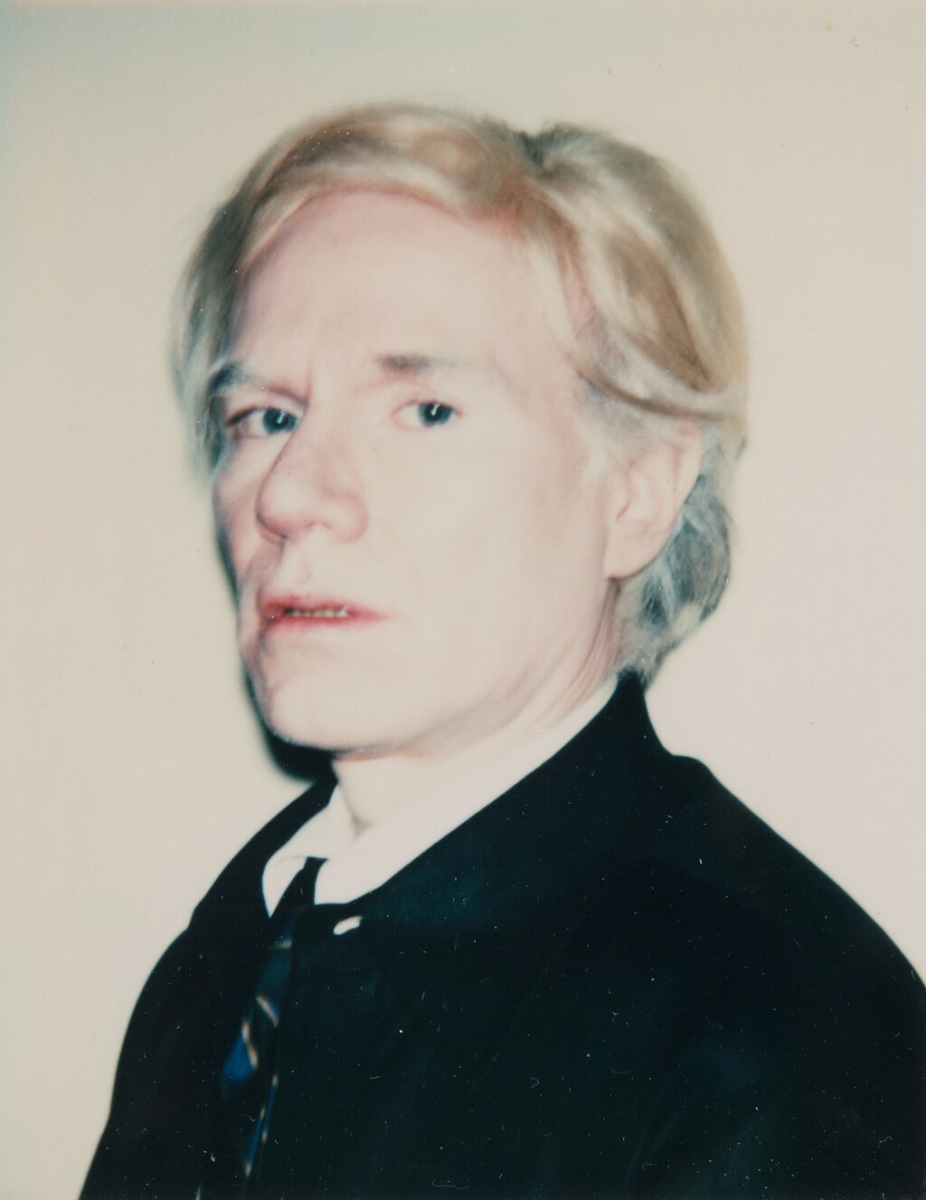
- Developed silkscreen printing from photographic sources, enabling mass-production of images. Used assistants extensively ('The Factory' model). Embraced seriality and repetition as aesthetic principles. Employed Diamond Dust on canvases from the 1970s. Used Polaroid photography for celebrity portraits. Later used Commodore Amiga computer drawing (1985).
- Artistic Influences
- Marcel Duchamp (concept of the readymade and anti-aestheticism)Robert Rauschenberg and Jasper Johns (use of imagery from everyday culture)Ben-Day dot printing and comic book imageryCommercial advertising and mass media reproductionHollywood cinema and celebrity cultureByzantine iconography (Catholic upbringing, Pittsburgh's Byzantine Catholic immigrant community)Dada and Neo-Dada traditions
- Artistic Contemporaries
- Roy LichtensteinJasper JohnsRobert RauschenbergClaes OldenburgJean-Michel Basquiat (collaborator, 1984–85)Keith HaringJulian Schnabel
- Political Social Engagement
- Warhol's politics were deliberately ambiguous — his appropriation of consumer goods and celebrity could be read as both celebration and critique of American capitalism. His Factory was a genuinely inclusive queer space. His Death and Disaster series engaged directly with media representations of violence. His Mao series commented on political iconography. His Endangered Species works showed explicit environmental advocacy.
Artistic Profile
- Artistic Style
- Andy Warhol's visual language is defined by the systematic appropriation and repetition of photographic imagery derived from mass media and consumer culture. Characterized by flat color fields, deliberate absence of expressive brushwork, serial repetition of identical or near-identical images, and a radical equivalence of all subjects as image. His 'artless' quality was highly calibrated — the removal of the artist's hand was itself the signature gesture.
- Primary Themes
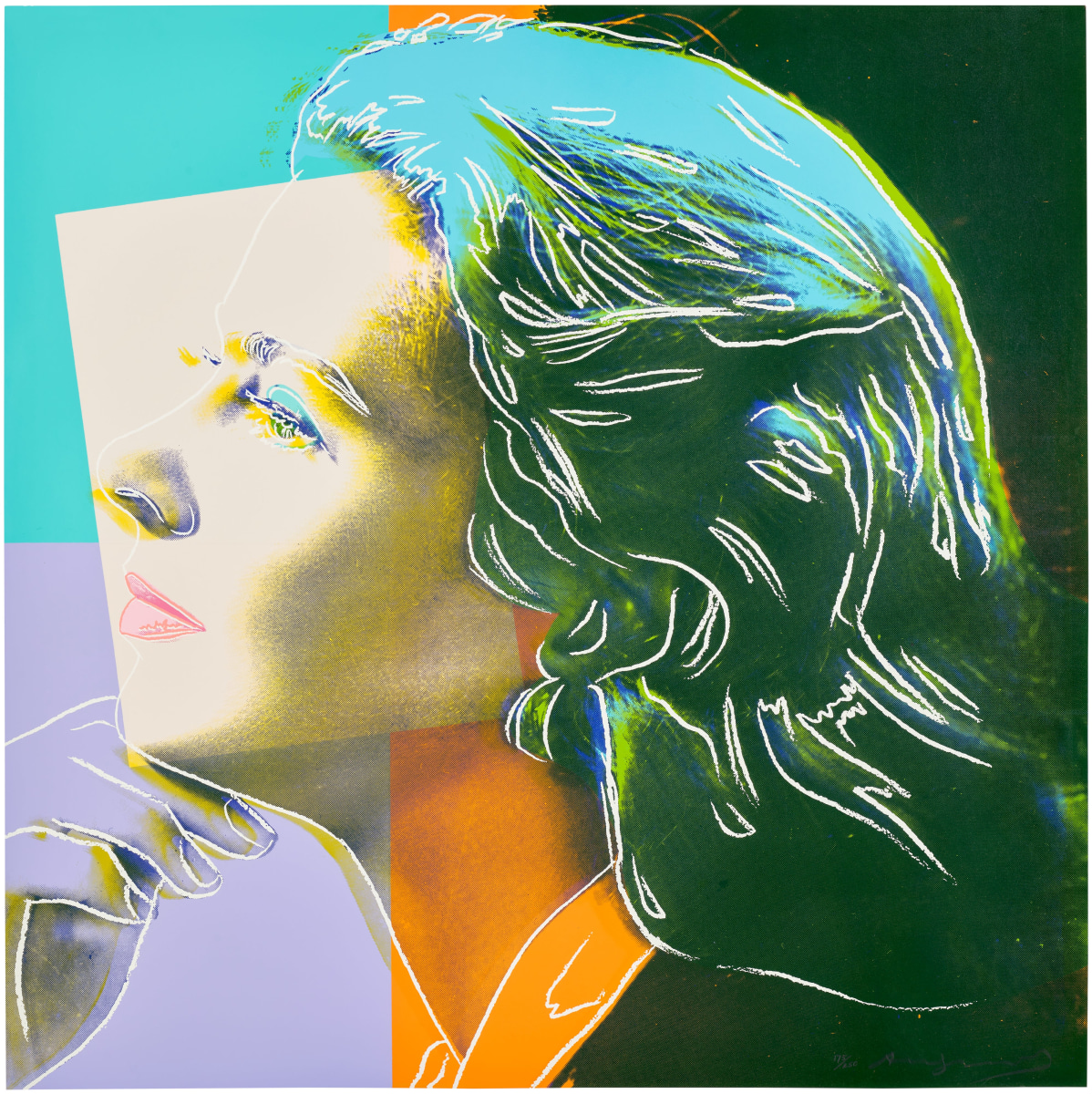
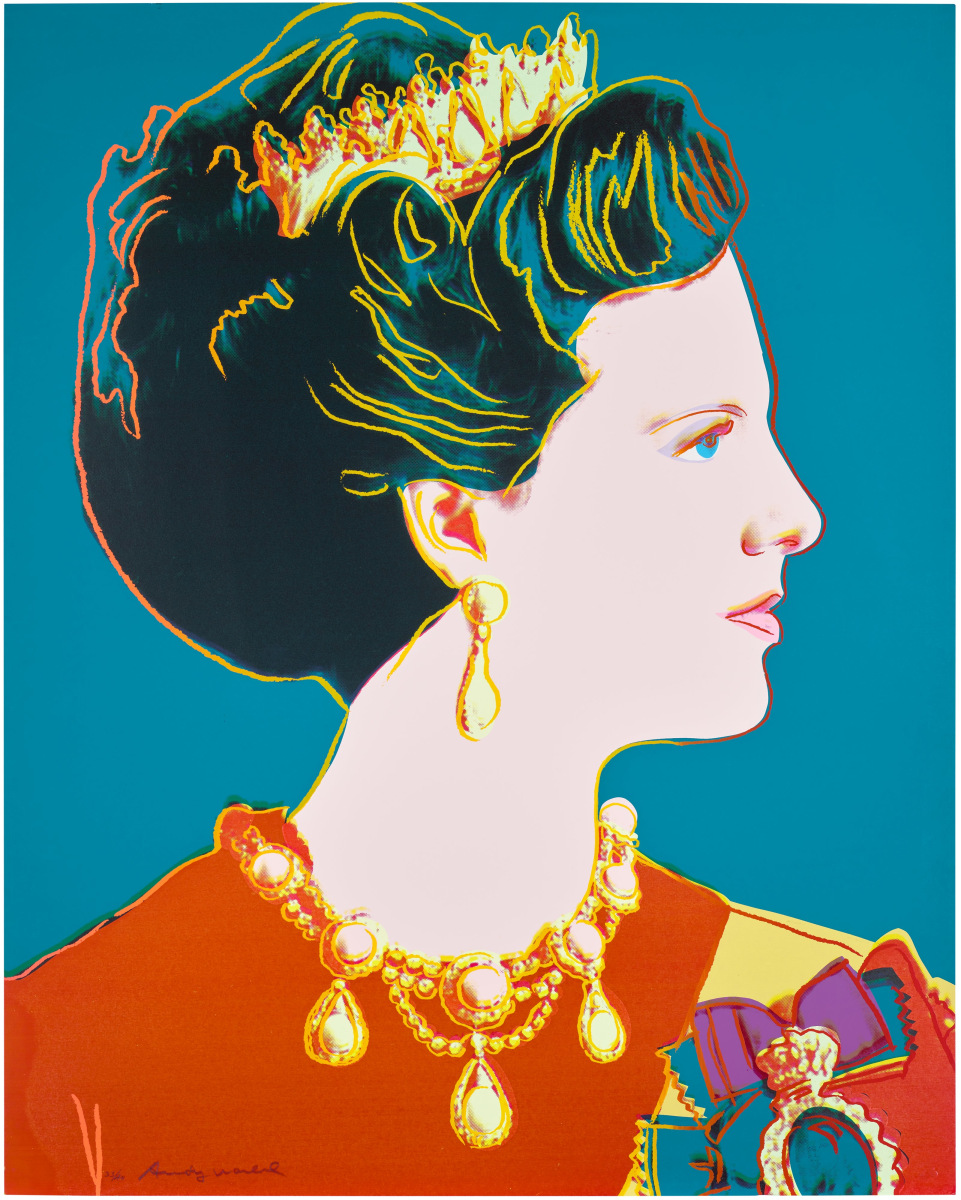
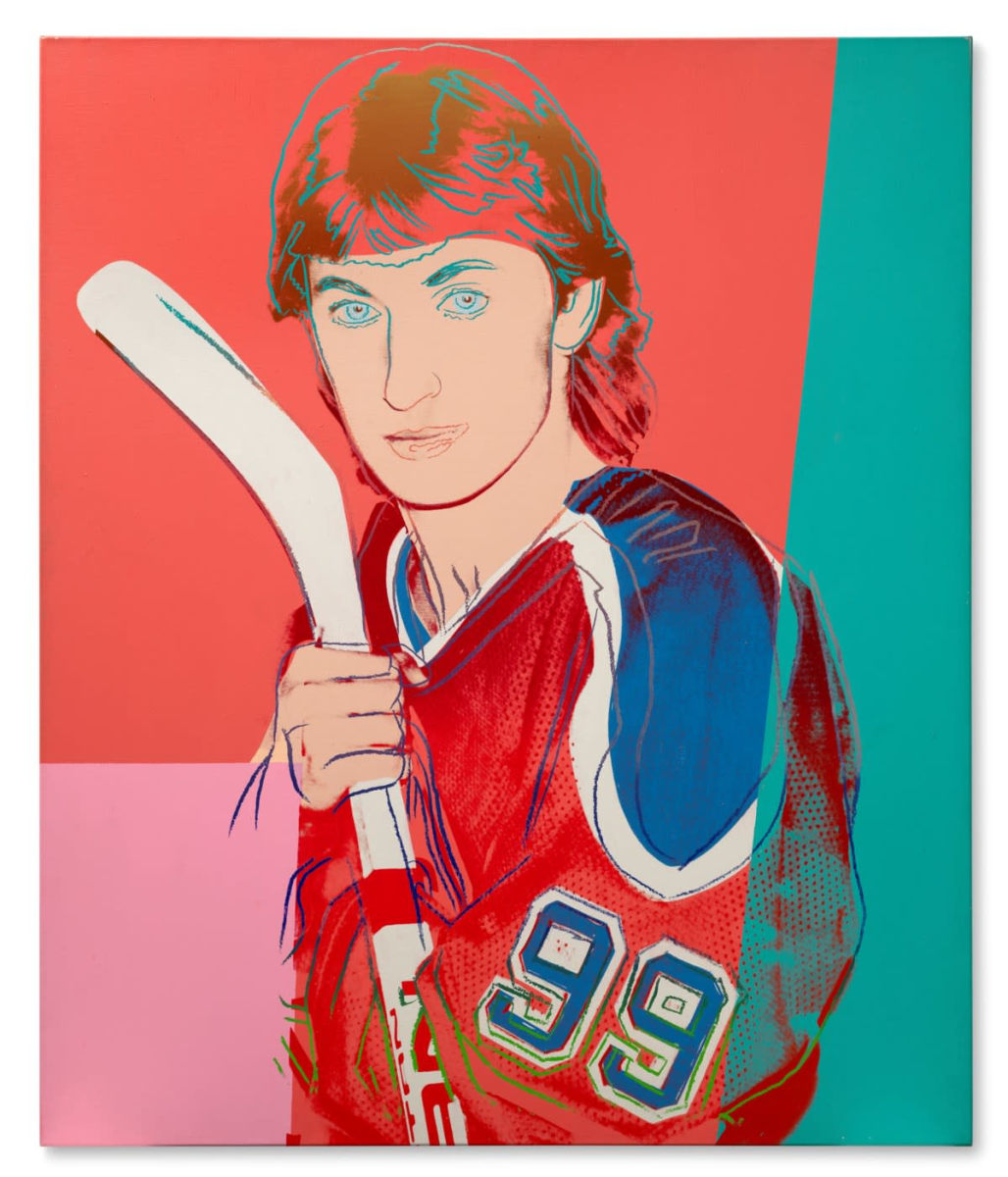
- Celebrity and mass-media iconography (Marilyn Monroe, Elvis Presley, Mao Zedong, Muhammad Ali, Debbie Harry, Queen Elizabeth II, Mick Jagger)
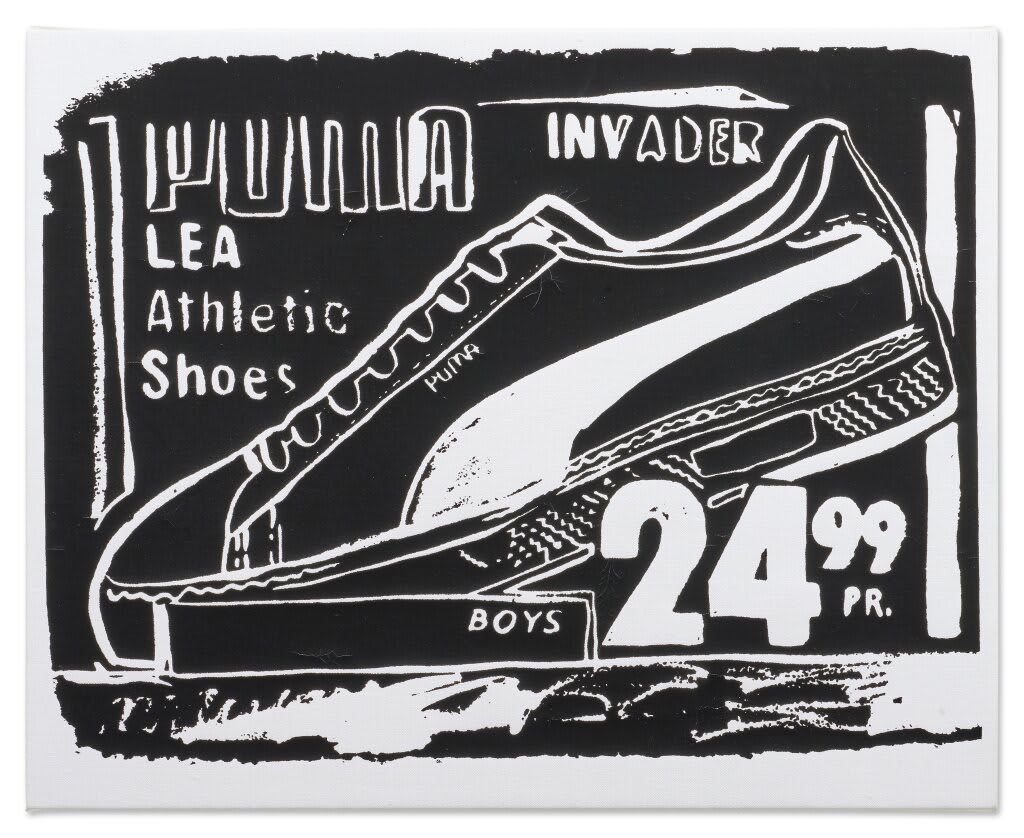
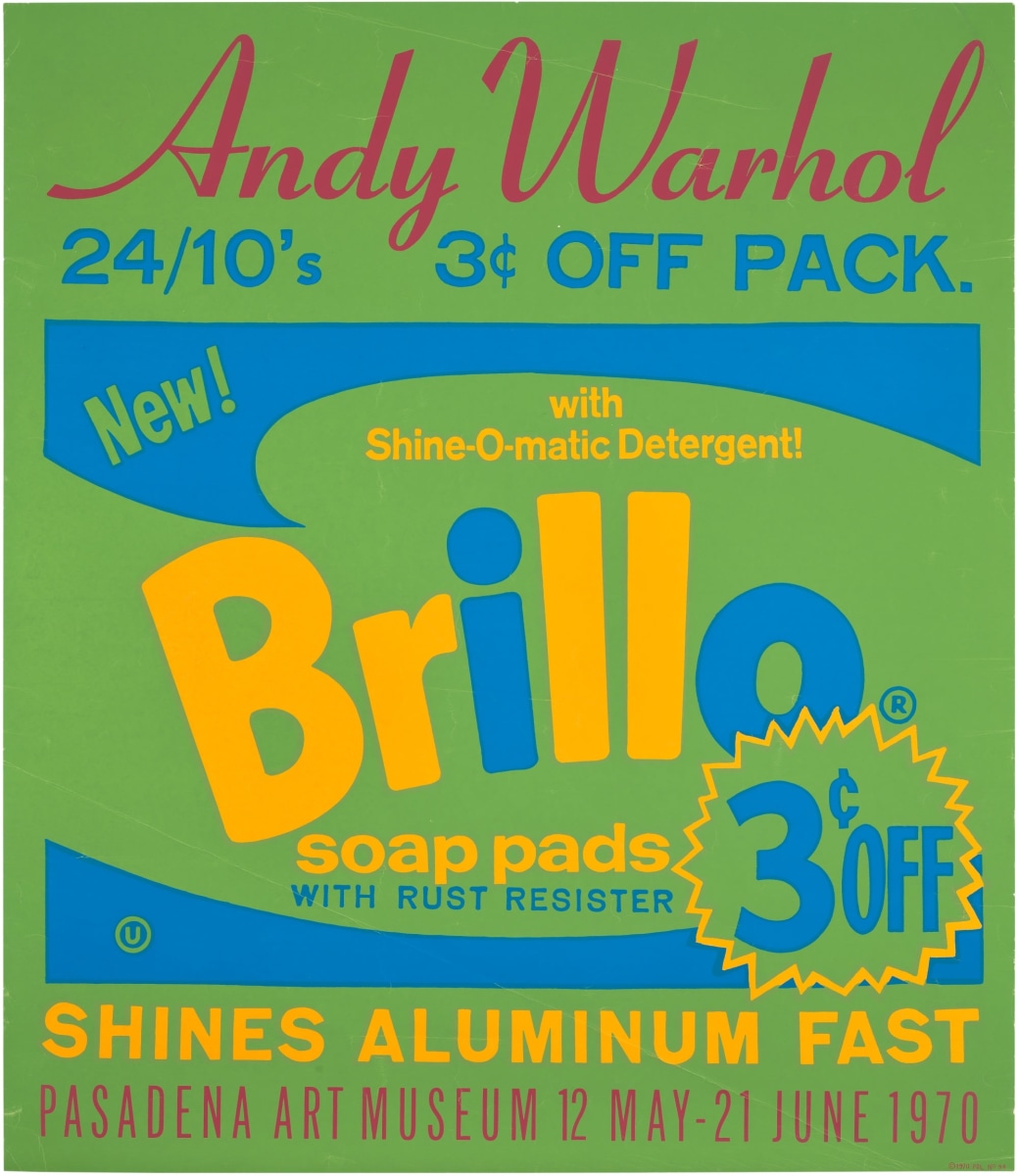
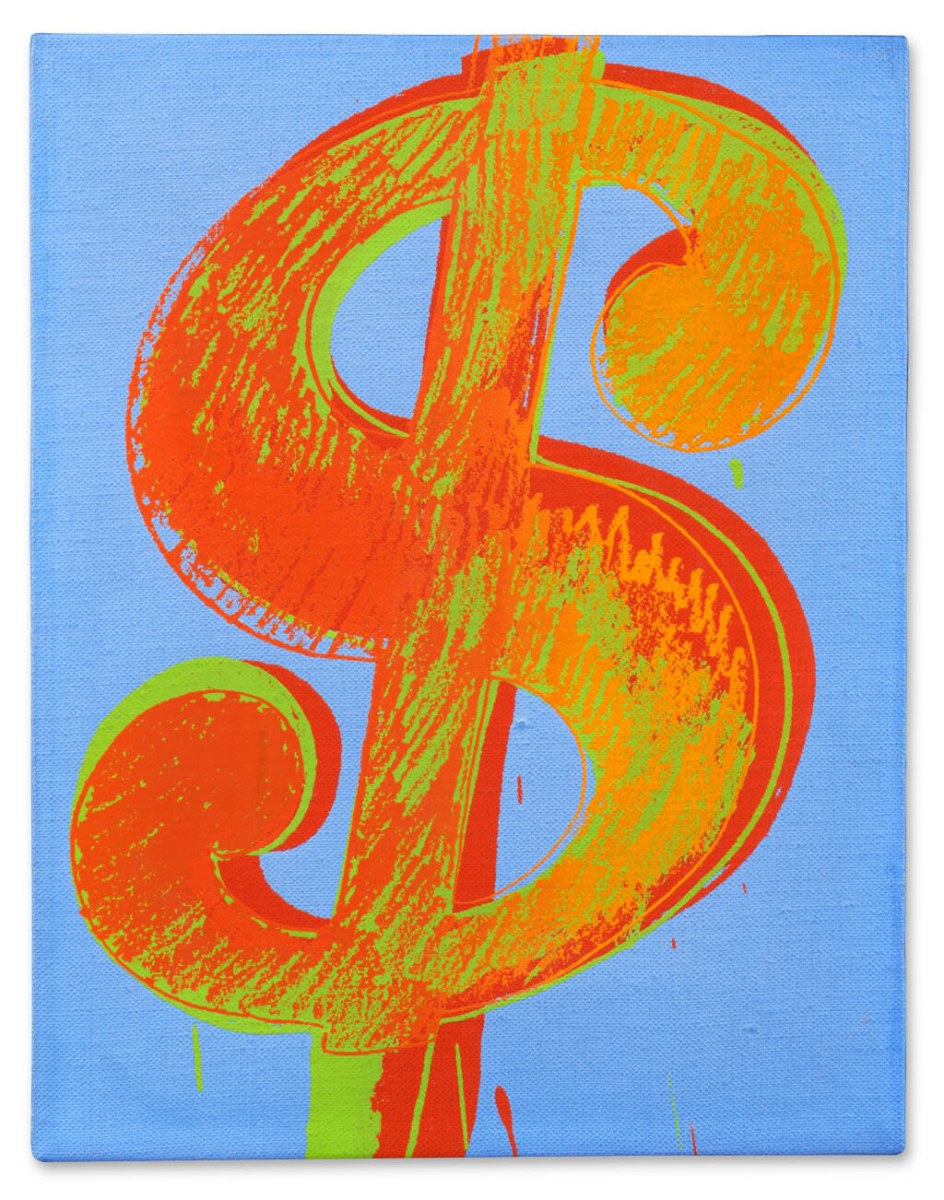
- Consumer culture and brand identity (Campbell's Soup, Coca-Cola, Brillo, Dollar Signs)
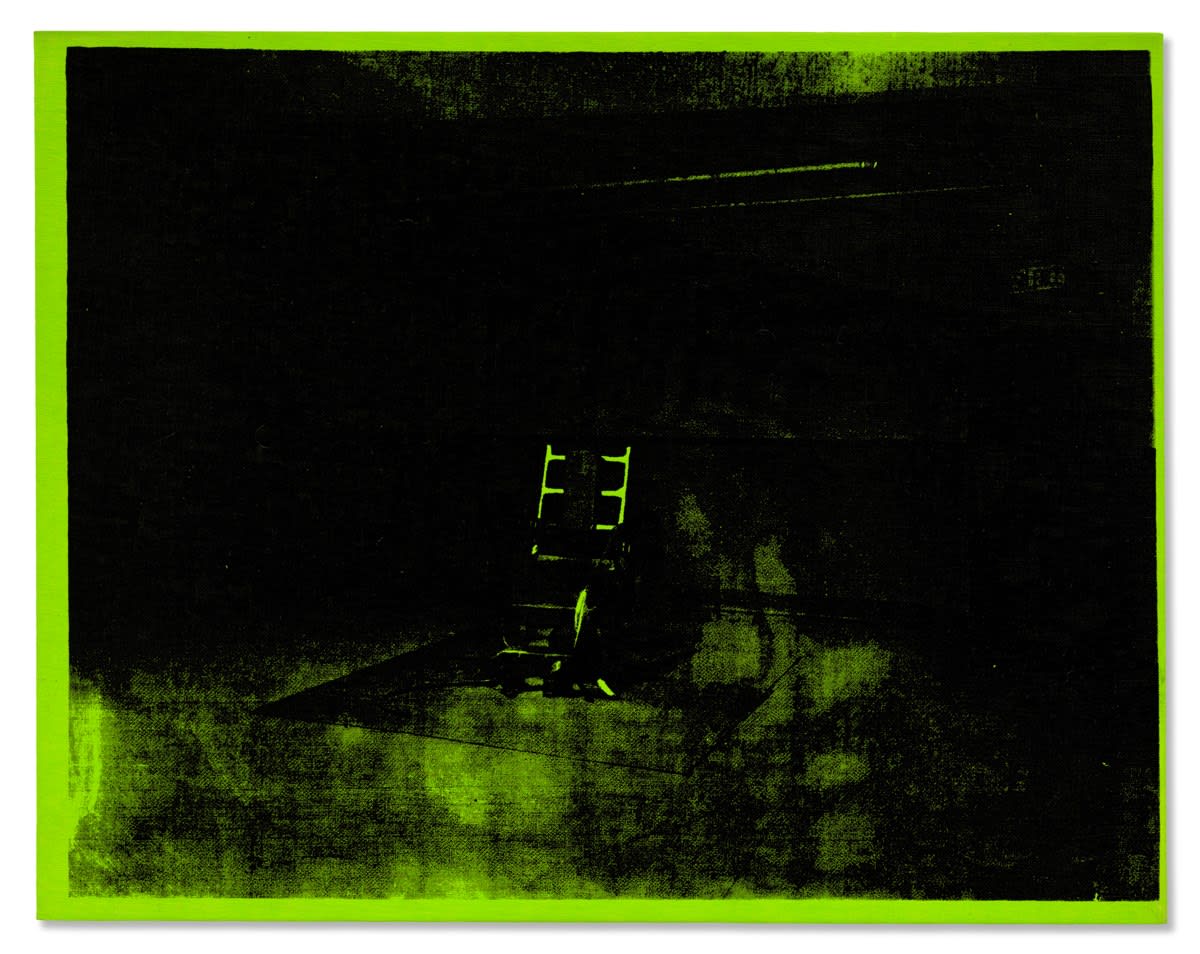
- Death, disaster, and media violence (Death and Disaster series: car crashes, electric chairs, race riots, atomic bombs — most critically acclaimed body of work)
- American mythology and the commodification of the American Dream
- Self-branding and the persona as artistic medium (Warhol's own wig, glasses, and pallid persona as performance art)
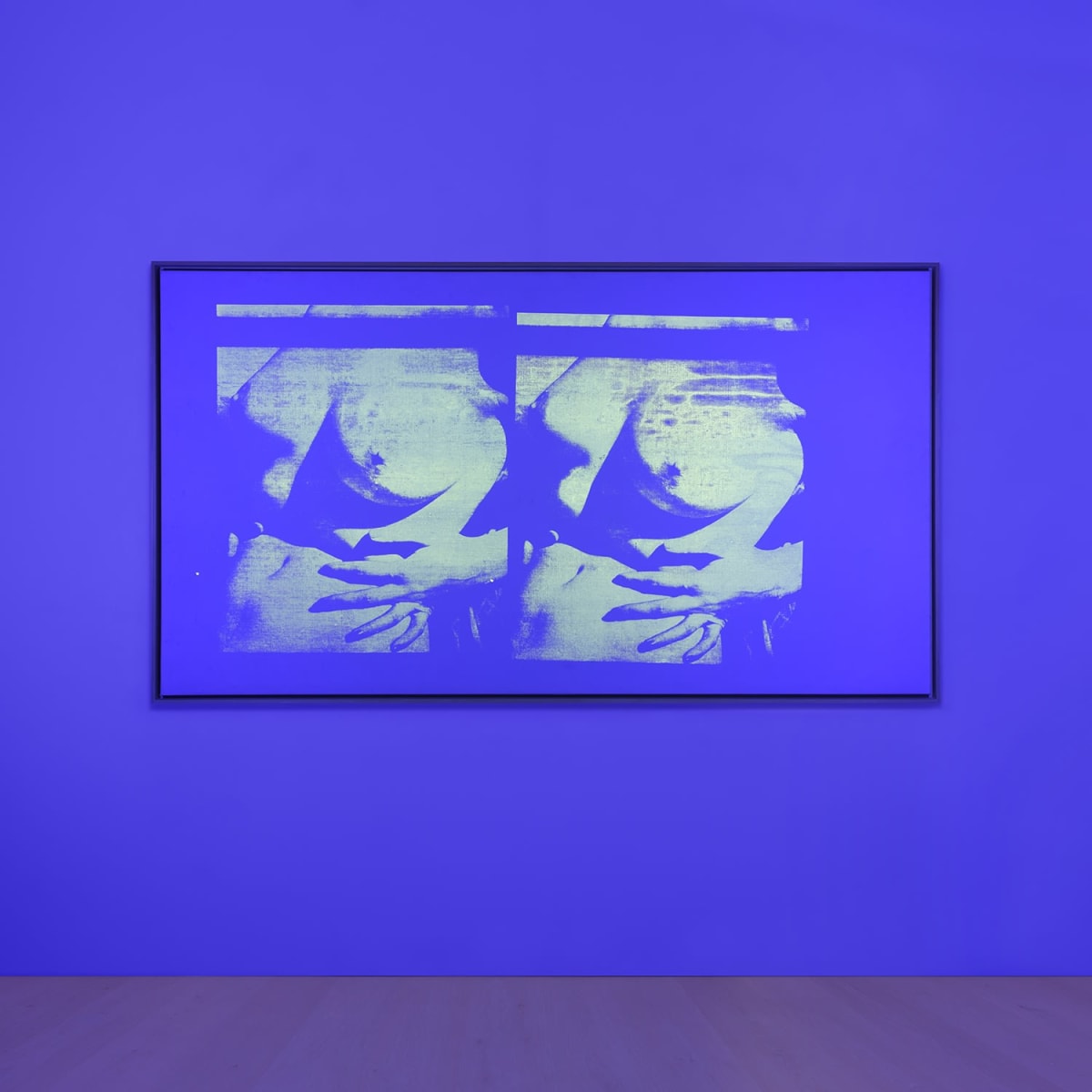
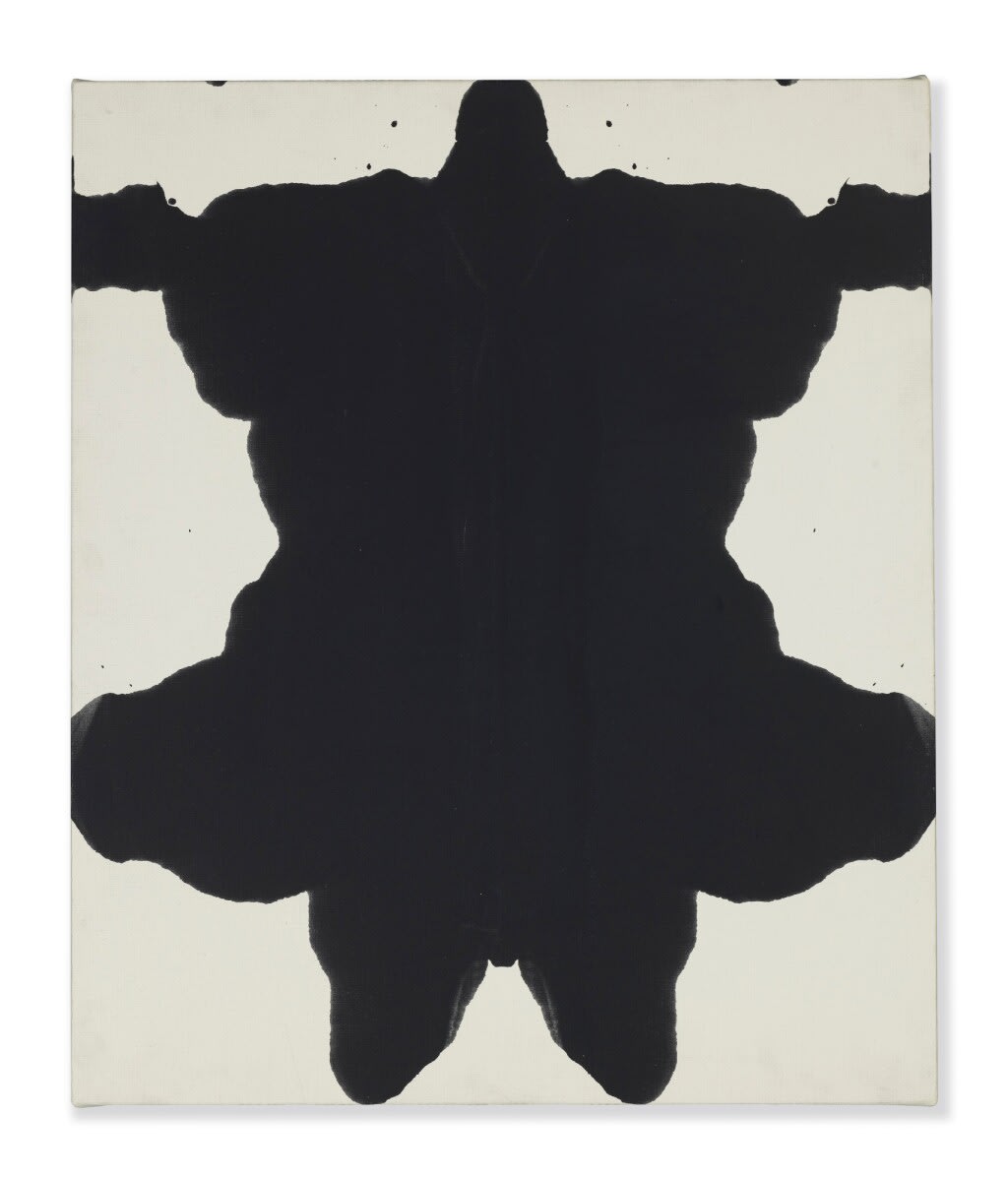
- Sexuality and the queer gaze (Torso series, underground films, Factory social world)
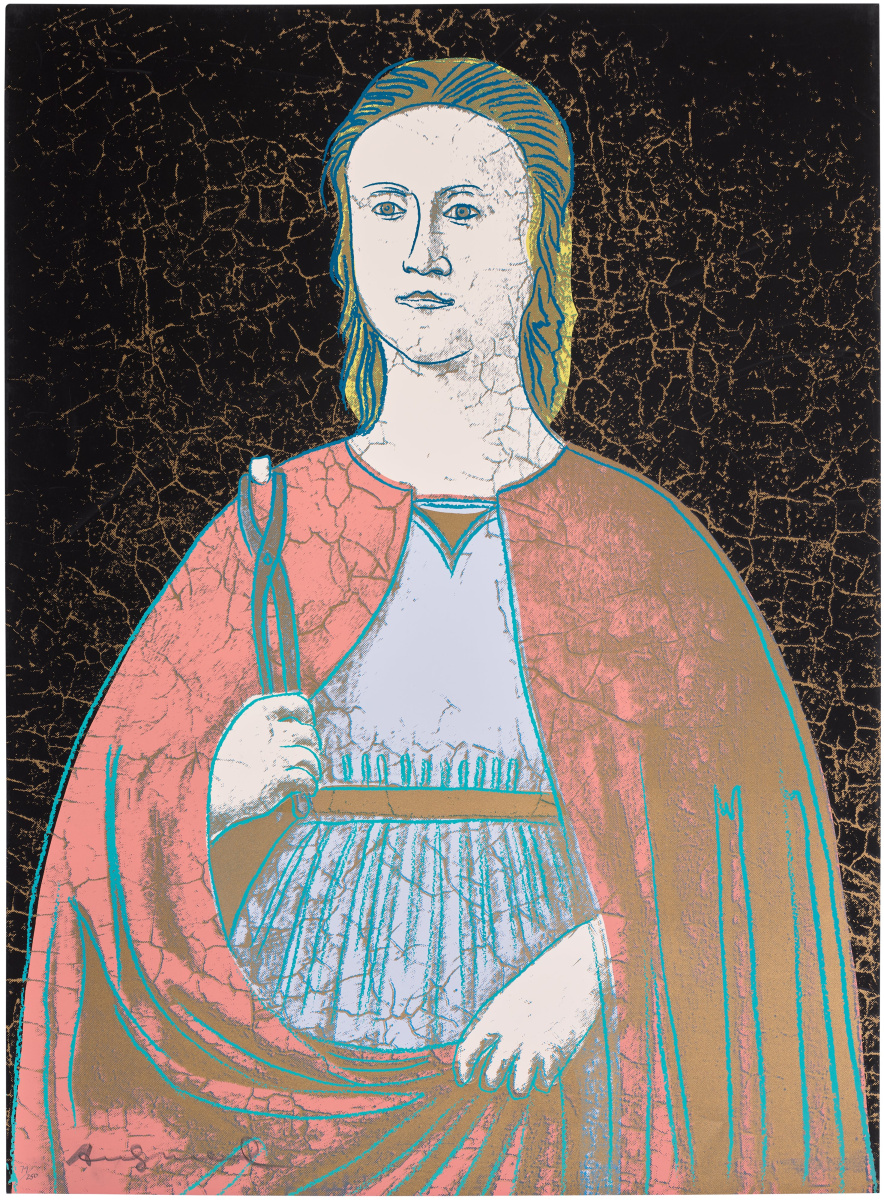
- Religion and spiritual iconography (Last Supper series, Byzantine Catholic influence)
- Signature Series
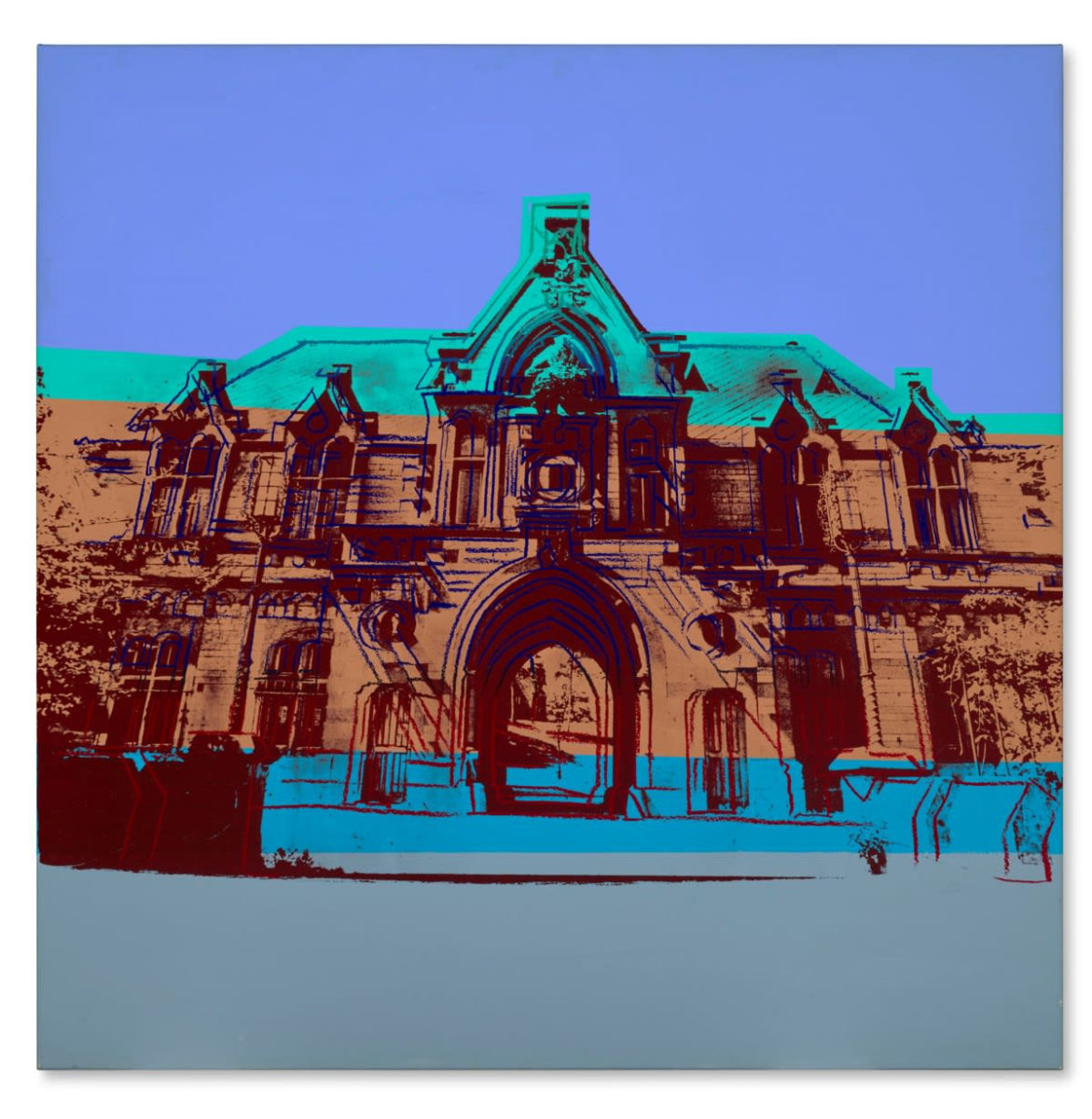
Significance Medium Series International launch; every variety depicted; now in MoMA Acrylic on canvas (32 panels) Campbell's Soup Cans (1962) Made immediately after Monroe's death; Shot Marilyns (1964) achieved $195M record Silkscreen on canvas and paper Marilyn Monroe Portraits (1962–1986) Newspaper photographs of crashes, electric chairs, race riots; most critically acclaimed series Silkscreen on canvas Death and Disaster (1962–1963) Based on Patricia Caulfield photograph; landmark appropriation controversy Silkscreen on canvas Flower Paintings (1964) Inspired Arthur Danto's philosophical theory of the artworld Painted and silkscreened plywood Brillo Boxes (1964) Triple Elvis world record holder (£51.6M) Silkscreen on canvas Elvis Presley Paintings (1963–1964) Considered among his finest late paintings; China/Nixon era context Silkscreen on canvas and paper Mao (1972–1973) Final major series; monumental scale; Sixty Last Suppers sold ~£71M in 2022 Acrylic and silkscreen on canvas Last Supper (1986) Environmental advocacy; 10 prints; CAGR 13.7% (2015–2024); new records at Phillips 2025 Screenprints on Lenox Museum Board Endangered Species (1983) Iconic American mythological figures (Mickey Mouse, Superman, Santa Claus, the Witch, etc.) Screenprints Myths (1981) Most explicit commodification of art — turns money itself into aesthetic subject Acrylic and silkscreen on canvas Dollar Signs (1981) Vanitas tradition in Pop mode; strong posthumous market appreciation Acrylic and silkscreen on canvas Skulls (1976) - Stylistic Evolution
- 1970s
- Celebrity portrait commissions; more decorative surface; Mao series as critical high point; Oxidation and Shadow paintings
- 1980s
- Basquiat collaboration; Commodore Amiga digital experiments; Last Supper synthesis; increasing critical reappraisal in real time
- Mid 1960s
- Maximalist seriality and repetition; increasingly mechanical reproduction; bold color experimentation
- Late 1960s
- Film as primary stated medium; Factory social milieu; post-shooting psychological shift toward more introspective work
- Early 1960s
- From blotted-line commercial illustration to hand-painted consumer goods; transition to silkscreen technique 1962
- Techniques and Mediums
- Film
- 16mm and 35mm experimental and narrative films (60+ films); includes Sleep 1963, Empire 1964, Chelsea Girls 1966, Blue Movie 1969
- Video
- Early video works and television projects (Andy Warhol's TV, Andy Warhol's Fifteen Minutes)
- Digital
- Commodore Amiga computer drawings (1985) — pioneering use of digital art tools
- Primary
- Photo-mechanical silkscreen printing on canvas
- Painting
- Acrylic on canvas, often combined with silkscreen
- Sculpture
- Painted plywood boxes reproducing commercial packaging (Brillo, Campbell's)
- Mixed Media
- Diamond Dust canvases (1970s–80s); Oxidation paintings (urine on metallic paint canvas)
- Photography
- Polaroid portraits; photobooth strips
- Printmaking
- Screenprints on paper in numbered editions
- Commercial Art
- Blotted line technique (ink transferred from non-porous surface to paper)
- Art Historical Movements
- Pop Art (primary; co-founder of American Pop)Neo-Dada (Duchampian appropriation lineage)Structural Cinema / Experimental FilmPostmodernism (key figure and forerunner)New York School (second generation)
- Distinctive Characteristics
- Serial repetition as philosophical statement about mass reproduction and equivalence
- Removal of the artist's hand and gesture as a deliberate, highly calibrated aesthetic choice
- Equivalence of all subjects: celebrity and soup can treated with identical formal strategies
- Embrace of commodity culture without apparent irony or moral judgment (the ambiguity is the point)
- Color variation as primary formal device: same image explored through radically different palettes
- The Factory production model as conceptual extension of the work itself
Critical Reception
- Major Publications
- The Philosophy of Andy Warhol (From A to B and Back Again), Warhol (1975)
- POPism: The Warhol Sixties, Warhol and Pat Hackett (1980)
- The Andy Warhol Diaries, edited by Pat Hackett (1989)
- Andy Warhol: A Retrospective, MoMA catalogue (1989)
- Andy Warhol Prints: A Catalogue Raisonné 1962–1987, Feldman & Schellmann
- Andy Warhol — From A to B and Back Again, Whitney Museum catalogue (2018)
- Art Historical Position
- Andy Warhol is universally recognized as the central figure of American Pop Art and one of the most consequential artists of the 20th century. His systematic deconstruction of the boundary between high and low culture, his embrace of mechanical reproduction, and his elevation of mass-media imagery transformed the trajectory of contemporary art. His name appears over 1,000 times in Artforum since first mention — more than virtually any other 20th-century artist.
- Key Publications Coverage
- Artforum: 1,000+ mentions; most comprehensive critical tracking of any 20th-century American artist
- ARTnews: Consistent major coverage across five decades
- The Art Newspaper: Regular market and exhibition coverage
- The New York Times: Cultural institution status; covers major sales, exhibitions, and legal developments
- Panorama (Journal of the Association of Historians of American Art): Active current scholarship
- Sotheby's Magazine: Regular in-depth art-historical analysis and auction context
- Critical Reception Timeline
- 1960s
- Initially polarizing. The art establishment saw his 'artless, styleless, and anonymous' work as a complete transvaluation of modernist aesthetic principles. Critics struggled to apply established frameworks to work that deliberately subverted them. Championed by a new critical generation who saw genuine radicalism in the gesture.
- 1970s 1980s
- Critical opinion partly negative — Warhol seen as 'washed-up celebrity portraitist' commercializing his early radical gesture. Factory social scene simultaneously celebrated and criticized. Collaboration with Basquiat initially dismissed as commercial exploitation.
- Post 1987 to Present
- Posthumous reputation skyrocketed. 1989 MoMA retrospective canonized him definitively. Critical consensus now views entire oeuvre — including celebrity portraits and later works — as coherent and prescient. Regarded as the prophet of media culture, self-branding, and the attention economy. His aphorism 'in the future, everyone will be world-famous for fifteen minutes' now widely treated as prophecy of social media culture.
- Legal Critical Controversies
- Goldsmith Case
- Andy Warhol Foundation for the Visual Arts v. Goldsmith (US Supreme Court, May 2023): Court ruled against the Warhol Foundation in fair use dispute over a silkscreen based on Lynn Goldsmith's photograph of Prince. Significant implications for appropriation art and estate licensing.
- Authentication Board
- The Andy Warhol Art Authentication Board operated 1995–2011, then dissolved amid legal disputes over its authentication decisions — creating ongoing market uncertainty for works lacking authentication documentation.
- Contemporary Scholarly Debates
- Postmodern cynic vs. covert social realist: Is Warhol celebrating the surface world or exposing fault lines of class, sexuality, gender, and race?
- Queer identity as constitutive of artistic vision: Multiple book-length studies now argue his gay identity and queer Factory community are central to understanding his work
- Working-class Carpatho-Rusyn immigrant background as lens for understanding celebrity fascination and aspiration
- Factory production model as conceptual framework: The studio-as-factory as part of the artistic statement
- Warhol as proto-theorist of social media, self-branding, and the attention economy
Gallery & Representation
- Gallery History
Period Notes Gallery 1952–1954 First solo shows; commercial/fine art illustrations Hugo Gallery, New York 1962–1965 Campbell's Soup Cans and Brillo Boxes; Eleanor Ward gallerist Stable Gallery, New York 1960s–1987 Key association with the leading Pop Art gallery of its era Leo Castelli Gallery, New York 1970s–1987 Major European representation; organized Warhol/Basquiat collaborations Bruno Bischofberger, Zurich 1980s–present (estate) Longstanding relationship; dominant post-death secondary market presence Gagosian Gallery - Primary Gallery
- Note
- Warhol died in 1987. No active primary gallery representation. Estate managed by Andy Warhol Foundation for the Visual Arts. Secondary market drives virtually all transactions.
- Estate Manager
- Andy Warhol Foundation for the Visual Arts, New York
- Art Fair Presence
- Notes
- Warhol works appear regularly at Art Basel (Basel, Miami Beach, Hong Kong), TEFAF (Maastricht and New York), Frieze (New York and London), and The Armory Show.
- Recent Signal
- Art Basel Miami Beach 2025 showed strong blue-chip recovery with multiple seven-figure sales; Warhol works central to major booth positioning across galleries
- Auction House Presence
- Notes
- All four houses consistently offer Warhol across evening sales, day sales, online sales, and dedicated prints/multiples sales. Warhol is one of the most reliably offered artists at every major house globally.
- Primary Houses
- Sotheby'sChristie'sPhillipsBonhams
- Geographic Reach
- New York, London, Paris, Hong Kong, Geneva — fully global secondary market
- New Market Development
- Pace Gallery, Di Donna, and Sotheby's Schrader launched secondary-market gallery (PDS) in December 2025, targeting blue-chip private sales — a structural development that may channel additional institutional Warhol transactions off-auction.
- Key Secondary Market Galleries
Name Locations Tier Warhol Relationship Gagosian Global (New York, London, Paris, Los Angeles, Hong Kong, Geneva, Rome, Athens, San Francisco, Basel, Beverly Hills) 1 Pre-eminent Warhol dealer for decades. Purchased Shot Sage Blue Marilyn for $195M at Christie's May 2022. Represents mega-collectors with major Warhol holdings (Steve Cohen, David Geffen, Leonard Lauder, Steve Schwarzman). Annual revenues estimated >$1B. Dominant presence in nine-figure Warhol transactions. Ben Brown Fine Arts London, Hong Kong, Palm Beach 2 Active secondary market dealer; hosts Warhol exhibitions; manages institutional-quality estate works MyArtBroker London / online 3 Specialist secondary market for Warhol prints and editions; dedicated price database and collector advisory; most active Warhol print trading platform
This is what the market knows about Andy Warhol. What Egon can also tell you: whether Andy Warhol fits your portfolio — based on your existing holdings, budget, and investment timeline.
Get Personalized AnalysisActive Market Signals
Go Deeper with Personalized Intelligence
You now have Egon's market assessment of Andy Warhol. The next question is personal: does this artist belong in your collection? Egon analyzes collection fit based on your aesthetic thesis, existing holdings, budget, and investment goals — delivering acquisition strategies no public index can provide.