Peter Blume
Value#92
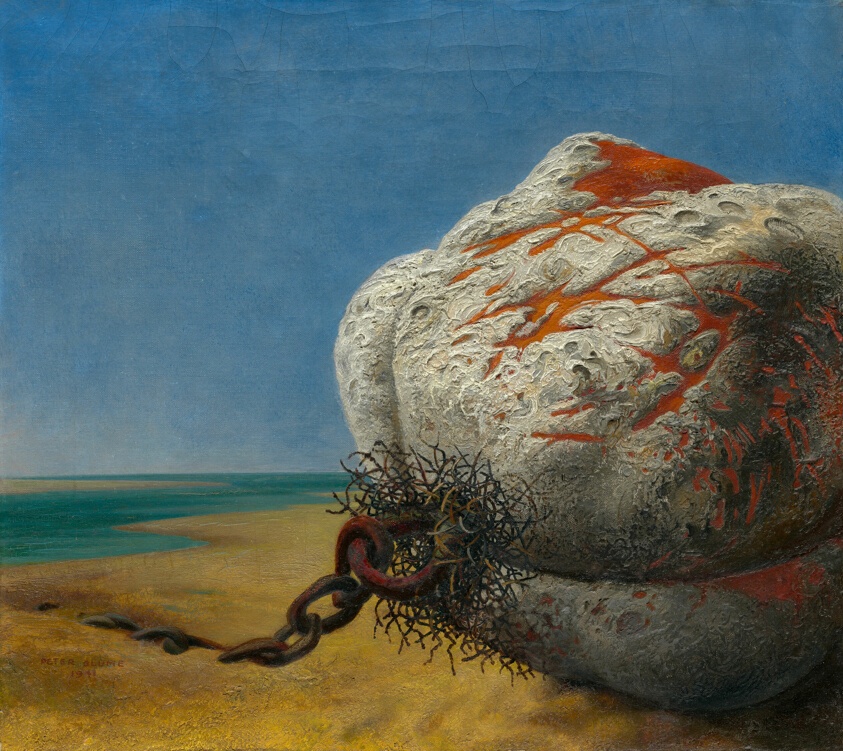
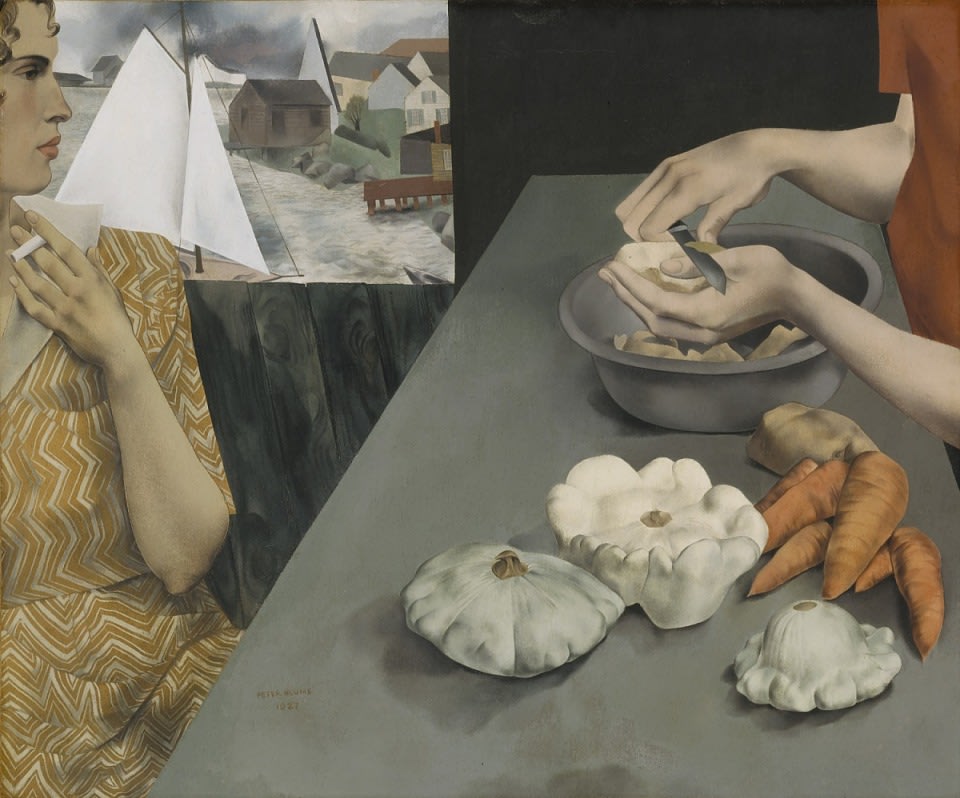
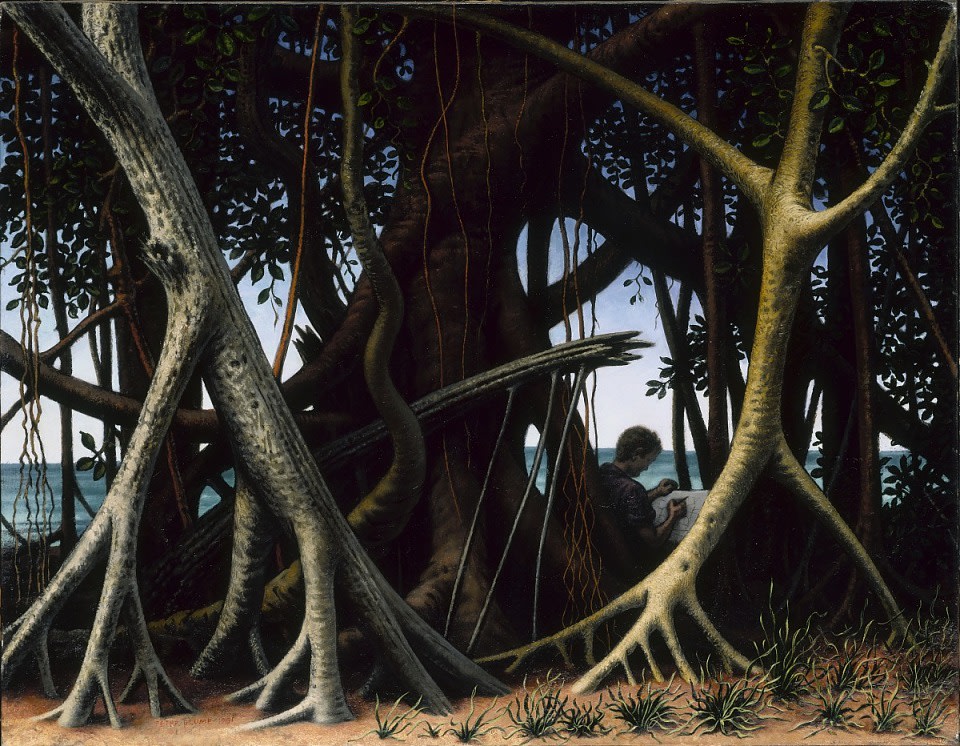
Egon Investment Scores
Liquidity
3/10
How easily works can be bought and sold at auction
Institutional
9/10
Museum collections, biennials, and institutional recognition
Momentum
4/10
Recent price trends, gallery moves, and market buzz
Discovery
3/10
Undervaluation opportunity relative to peer artists
Risk
3/10
Investment risk factors — higher means more volatile
Market Position
Auction Record
$307,200
Winter
Christie's New York
- Pricing
- Liquidity
- Low - Limited secondary market activity; works appear sporadically
- Comparables
- Market Comparable Artists
- Charles Sheeler, Charles Demuth, George Ault, Stefan Hirsch (Precisionism); Paul Cadmus, Jared French, George Tooker (Magic Realism/Social Realism)
- Collector Base
- American art collectors, institutional collectors, Magic Realism specialists
- Auction History
- Work
- Winter
- Price
- $307,200 USD
- Sale Date
- 2006
- Year Created
- 1964
- Auction House
- Christie's New York
- Auction Activity
- Recent Sales
- 2024: Study for Tree; 2023: Various prints/drawings; 2022: Multiple works; 2021-2020: Autumn oil painting, drawings, prints
- Annual Volume
- Low - sporadic offerings, typically 5-10 lots annually
- Market Presence
- Primarily regional auction houses (Freeman's, Hindman, STAIR, Heritage) with occasional Christie's/major house appearances
- Sell Through Rate
- 33.3% over last 36 months (per Artsy data)
- Total Lots Tracked
- 41+ artworks at auction since 2004
- Market Position
- Market Positioning
- Historical American Modernist - Estate market phase
Institutional Presence
- Exhibitions
- Major Solo Exhibitions
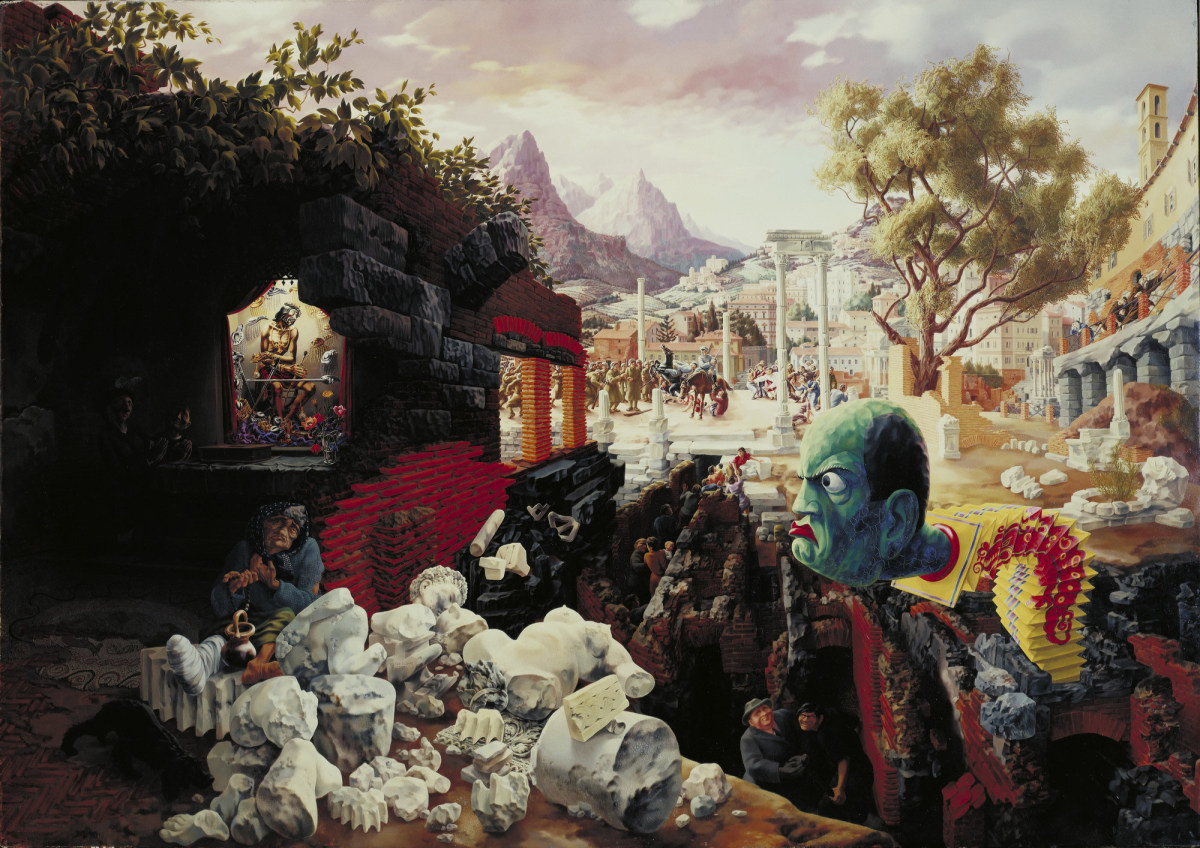
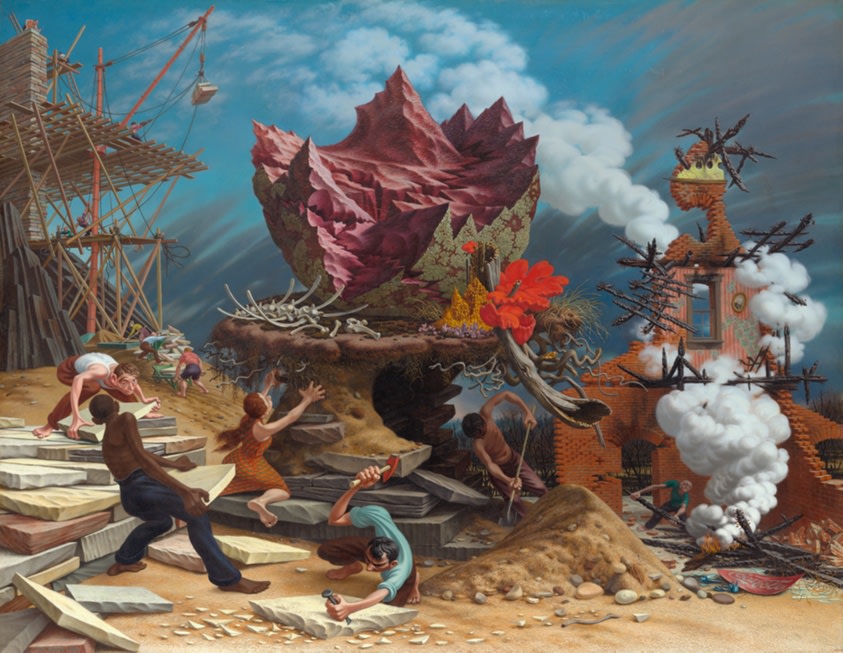
Title Year Venue Significance Peter Blume: Nature and Metamorphosis — Pennsylvania Academy of Fine Arts First major retrospective since 1976; 56 paintings, 103 drawings; traveled to Wadsworth Atheneum (July-September 2015) Peter Blume (1906-1992) — ACA Galleries, New York Estate exhibition concurrent with PAFA retrospective — 1976 Museum of Contemporary Art, Chicago Previous major retrospective — 1968 Kennedy Galleries, New York — Paintings and Drawings in Retrospect, 1925 to 1964 1964 — — The Rock exhibition 1949 Durlacher Gallery, New York Resoundingly positive critical acclaim The Eternal City (one-painting exhibition) 1937 Julian Levy Galleries, Manhattan Generated enormous controversy — 1930 Daniel Gallery, New York First solo exhibition featuring Parade - Major Group Exhibitions
- Whitney Biennial (multiple years - work collected by Whitney from Biennial exhibitions)
- Carnegie International Exhibition (1934 - First Prize winner; 1950 - voted best picture by visitors)
- MoMA 'Fantastic Art, Dada, Surrealism' (1936)
- MoMA 'American Realists and Magic Realists' (1943)
- Surrealism USA, National Academy of Design
- Whitney Museum ongoing collection displays (Real/Surreal 2011-2012; Collecting Biennials 2010; Modernisms 2007-2008)
- The Whitney's Collection: Selections from 1900 to 1965 (2019-present)
- Museum Collections
- Tier 1 Museums
Works Institution Significance 18 works online including The Eternal City (1934-37), Parade (1930) Museum of Modern Art (MoMA), New York Acquired The Eternal City in 1943 during WWII; Parade currently on view Gallery 521 7 works including Light of the World (1932), Man of Sorrows (1951) Whitney Museum of American Art, New York — 93 artworks including The Rock (1944-48) and extensive preparatory studies Art Institute of Chicago Major repository of The Rock series with 90+ preparatory drawings Multiple works (confirmed via museum API data) Metropolitan Museum of Art, New York — Multiple works including Vegetable Dinner (1927) Smithsonian American Art Museum — - Tier 2 Museums
- Cleveland Museum of ArtPennsylvania Academy of Fine ArtsPrinceton University Art MuseumCarnegie Museum of Art, PittsburghMuseum of Fine Arts, BostonWadsworth Atheneum, Hartford
- Total Museum Works
- 130+ works across major institutions (per museum API data)
- Awards and Recognition
- Guggenheim Fellowship (1932-1933, renewed 1936)
- First Prize, Carnegie International Exhibition (1934) for South of Scranton
- Carnegie International Exhibition - voted best picture by visitors (1950) for The Rock
- Rockefeller family patronage throughout career
- National Academy of Design Associate Member (1948), Full Member (1956)
Career & Biography
- Career
- 1924
- Struck out on own, established independent practice
- 1926
- Established own studio in Manhattan; first dealer Charles Daniel Gallery; first sale (Cyclamen, 1925)
- 1931
- Married Grace Douglas Gibbs Craton
- 1934
- First major recognition - First Prize at Carnegie International Exhibition for South of Scranton
- 1936
- Renewed Guggenheim Fellowship
- 1937
- The Eternal City exhibited at Julian Levy Galleries - major controversy
- 1943
- MoMA acquired The Eternal City when Mussolini deposed
- 1948
- Elected Associate Member, National Academy of Design
- 1956
- Became full member, National Academy of Design
- 1976
- Last major retrospective before death
- 1929-1930
- Settled in Sherman, Connecticut (remained primary residence for life)
- 1932-1933
- Guggenheim Fellowship - spent year in Italy
- 2014-2015
- First major retrospective since 1976 at Pennsylvania Academy of Fine Arts
- Working Method
- Exceptionally slow, painstaking worker in manner of early Netherlandish masters; created hundreds of preparatory drawings for each major work (500+ studies for The Rock); practice involved automatic drawing techniques but always in service of precisely rendered final paintings
- Identity
- Birth Death
- October 27, 1906 (Smorgon, Russia/now Belarus) - November 30, 1992 (New Milford, Connecticut)
- Major Themes
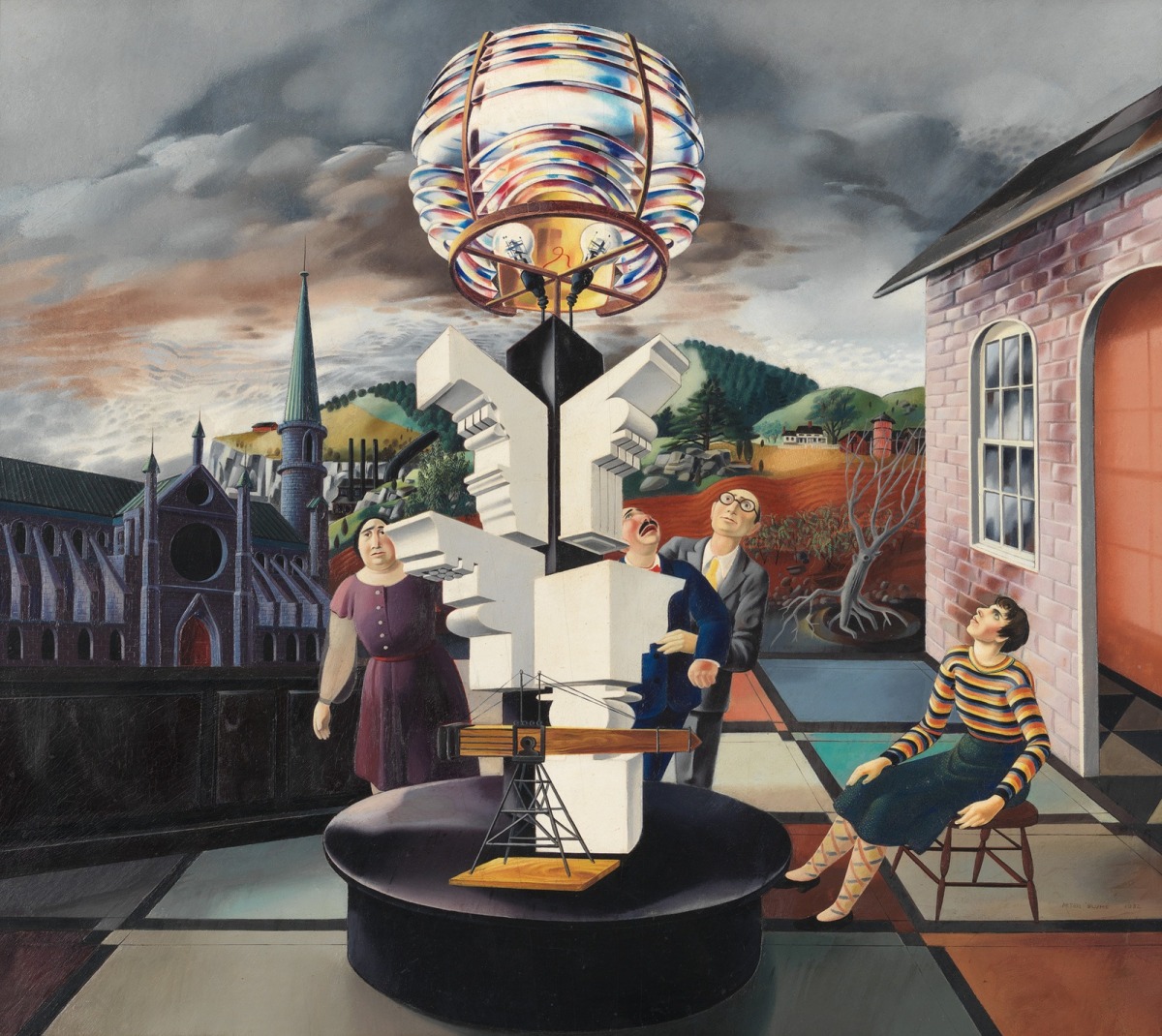
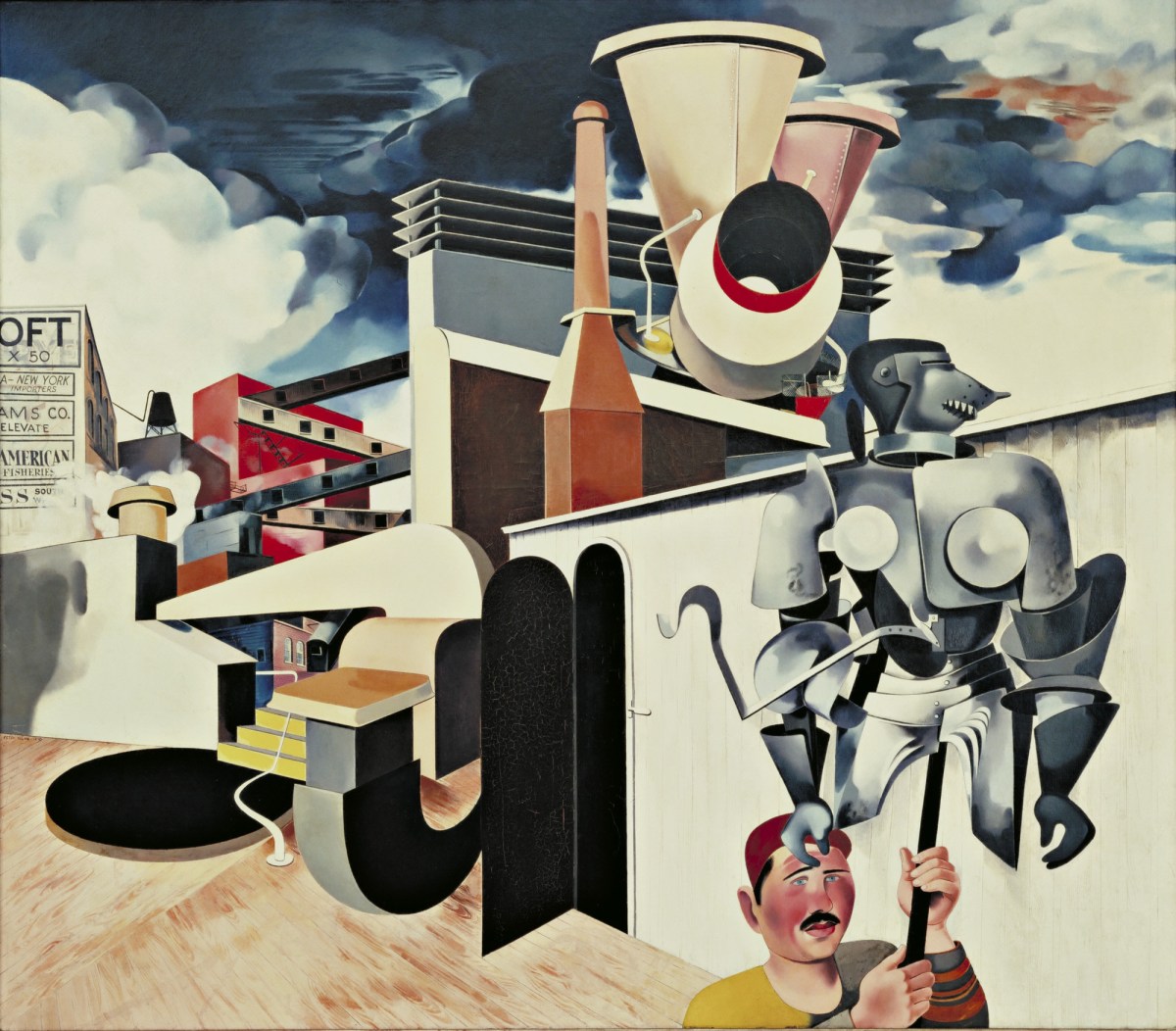
- Destruction and restoration, metamorphosis, political power, regeneration, human struggle against modern forces, anti-fascism
- Artistic Context
- Renaissance technique (Italian and Northern European), folk art, Precisionism, Cubism, Parisian Purism, Raphael and Isaac Soyer, Charles Sheeler, Charles Demuth Associated with Magic Realism but rejected labels; refused André Breton's invitation to join Surrealists stating he 'wasn't a Surrealist in that sense'; maintained independent course; focused on meticulous rendering of familiar objects in unexpected juxtapositions; emphasized transformation and regeneration themes
Artistic Profile
- Influences
- Influenced
- Late 20th-century narrative painting, American Magic Realism movement, contemporary artists interested in political allegory and meticulous realism
- Themes and Subjects
- Signature Motifs
- Stones and geological formationsArchitectural ruins and fragmentsIndustrial girders and constructionMedieval armorReligious iconographyLandscape transformationsFigures in surreal relationships to environment
- Movements and Periods
- Stylistic Classification
- Magic Realism (primary but contested); Precisionism (early); American Surrealism (associated but rejected by artist); Social Realism (political works); Independent Modernist
- Techniques and Mediums
- Meticulous Renaissance-influenced renderingHundreds of preparatory drawings per major workAutomatic drawing in preliminary studiesPrecise oil painting techniqueAlteration of scale for psychological effectDreamlike spatial juxtapositionsComposite imagery from multiple observationsSlow, painstaking execution (5-7 years for major works)
Critical Reception
- Critical Reception
- Catalogue Raisonne
- No comprehensive catalogue raisonné published
- Critical Consensus
- Recognized as highly original, independent artist who defied easy categorization; 'Magic Realism' closest descriptor but inadequate; acknowledged as one of America's best-known painters in 1930s-1940s; meticulous technical master; significant but somewhat neglected figure in American art history; major scholarly reassessment via 2014-2015 retrospective
- Contemporary Relevance
- Renewed scholarly interest in 2010s; recognized as central figure in development of American Modernism; important for understanding intersection of Surrealism, Precisionism, and social commentary in American art
- Publications and Media
- Major Publications
Date Author Context Publication February 2015 Donald Kuspit — Artforum January 15, 2015 Ken Johnson — New York Times December 1, 1992 Roberta Smith Obituary - described as 'painter of dreamlike narratives' whose 'obsessively detailed images made him one of this country's best-known painters in the 1930s and 40s' New York Times 2014-2015 — Dual reviews of PAFA retrospective; discussed Blume's complex relationship to Surrealism and his sophisticated extension of Renaissance art — — — Featured artist coverage (multiple articles) — — — Featured artist coverage — — — Featured artist coverage — - Documentary Coverage
- Exhibition catalogs, museum publications, art historical surveys of American Modernism, Magic Realism, and Surrealism in America
Gallery & Representation
- Fair Presence
- Limited contemporary fair presence; estate represented through ACA Galleries
- Representation
- Note
- ACA Galleries represents the Peter Blume Estate; presented estate exhibition 2014-2015
- Estate
- ACA Galleries, New York (est. 1932)
- Address
- 529 West 20th Street, New York
- Works Available
- 12 works listed on Artnet including drawings, paintings, serigraphs with 'Price on Request'
- Market Structure
- Estate market - artist deceased 1992; limited primary market activity; secondary market through auctions and specialist dealers in American Modernism
- Historical Dealers
Period Significance Gallery 1926-1930s First dealer; one of few handling modern art at that time Charles Daniel Gallery 1930s Showed The Eternal City (1937) Julian Levy Galleries, New York 1950s Showed The Rock (1949); sold works like Paddies (1954-56) Durlacher Brothers, New York 1960s-1970s Major solo exhibition 1968 Kennedy Galleries, New York Mid-late 20th century Secondary market dealer Janet Fleisher Gallery, Philadelphia Contemporary Secondary market dealer Debra Force Fine Art 2024 Recent exhibition inclusion (September 2024) Forum Gallery, New York
- Geographic Reach
- Estate-controlled through ACA Galleries; secondary market works appear sporadically at auction; primarily works on paper and small studies available
Peter Blume's fundamentals are strong. But is the timing right for your collection? Egon analyzes fit against your aesthetic thesis, risk tolerance, and portfolio gaps.
Get Personalized AnalysisActive Market Signals
Signal Timeline & Strength Analysis
Gallery moves, auction records, institutional acquisitions, price milestones — tracked over 90 days
Collector Demographics & Buyer Analysis
Geographic distribution, institutional vs. private buyers, collector profiles, and secondary market activity
Personalized Acquisition Strategy
Optimal entry points, comparable pricing analysis, timing recommendations, and portfolio fit assessment
Go Deeper with Personalized Intelligence
You now have Egon's market assessment of Peter Blume. The next question is personal: does this artist belong in your collection? Egon analyzes collection fit based on your aesthetic thesis, existing holdings, budget, and investment goals — delivering acquisition strategies no public index can provide.