Abanindranath Tagore
Blue-chip




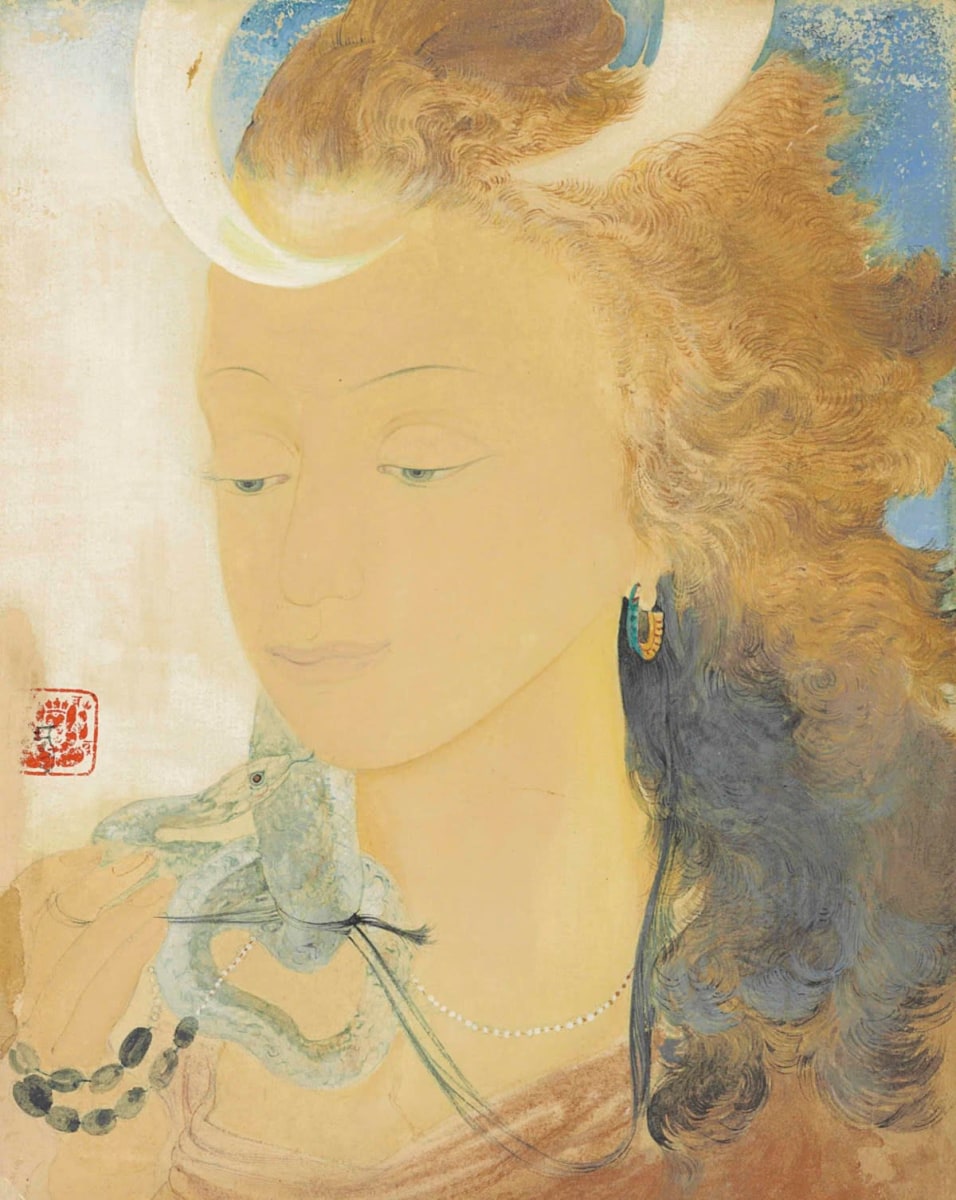
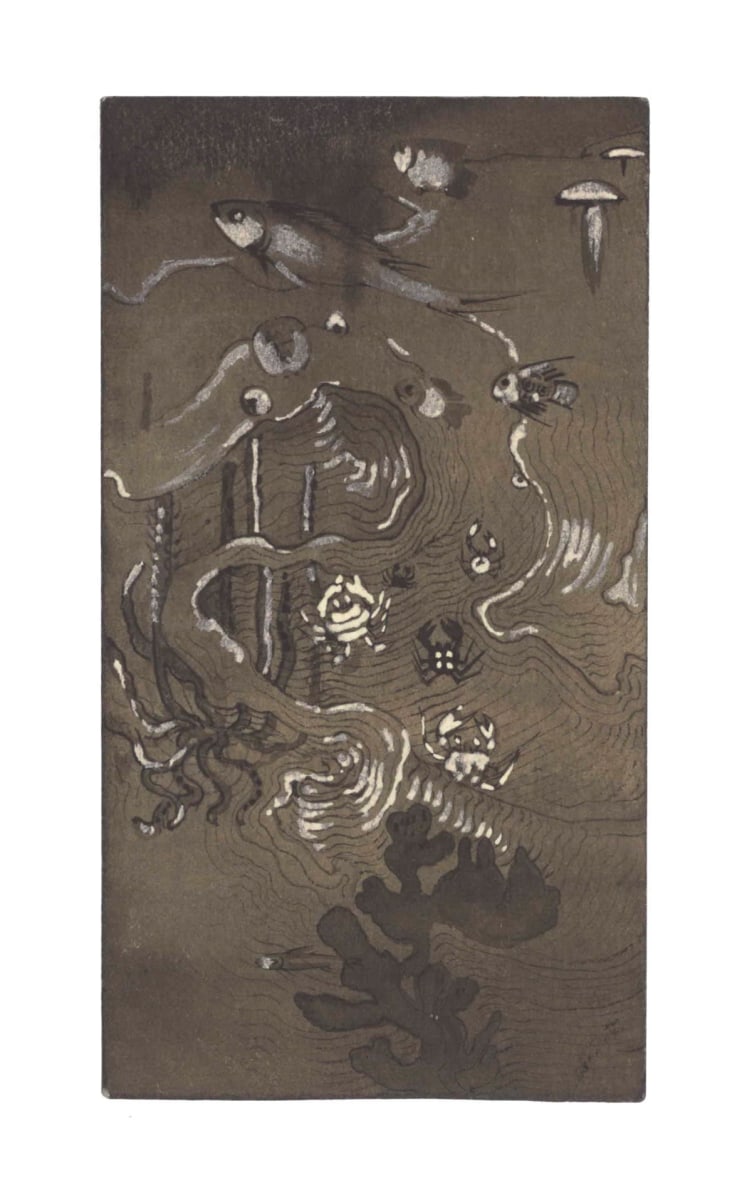

Egon investment scores
Market position
- Pricing
- By Work Type
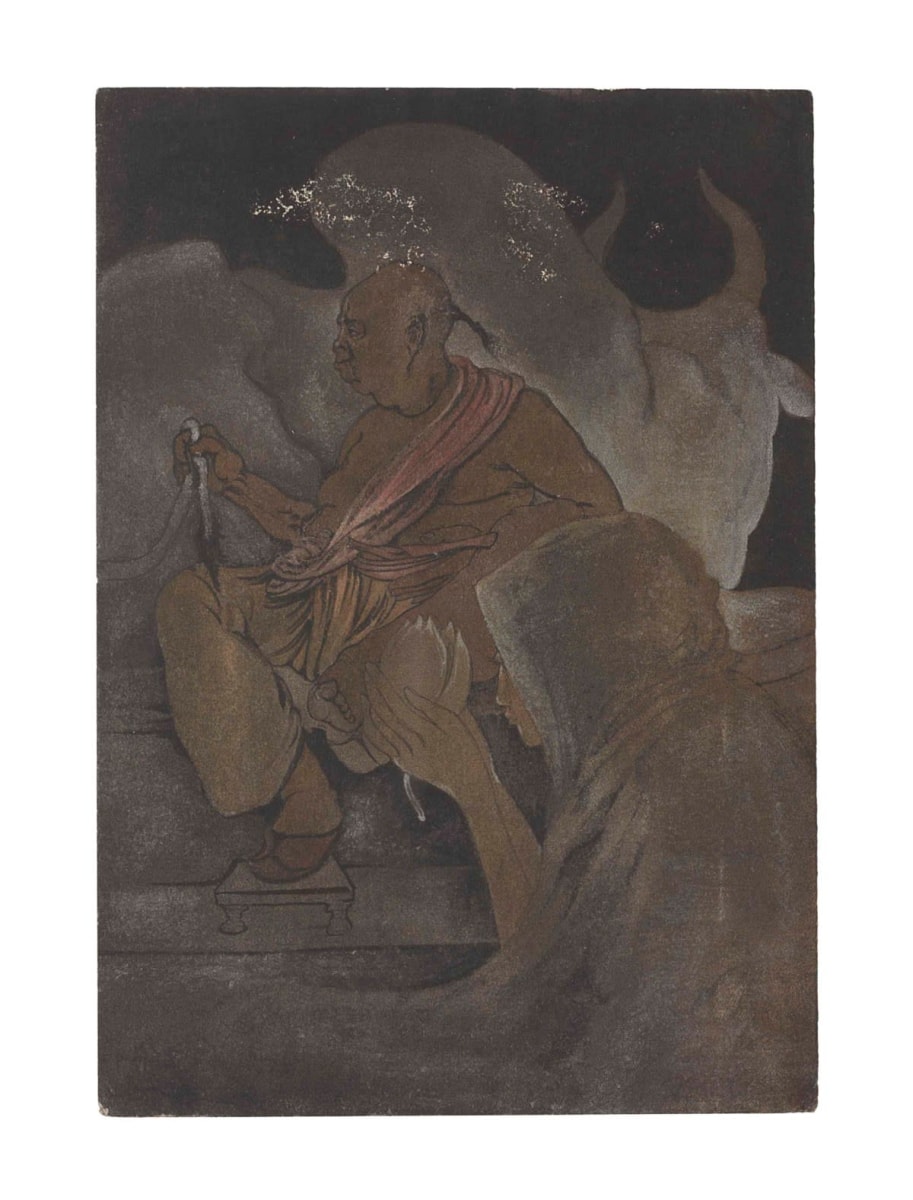
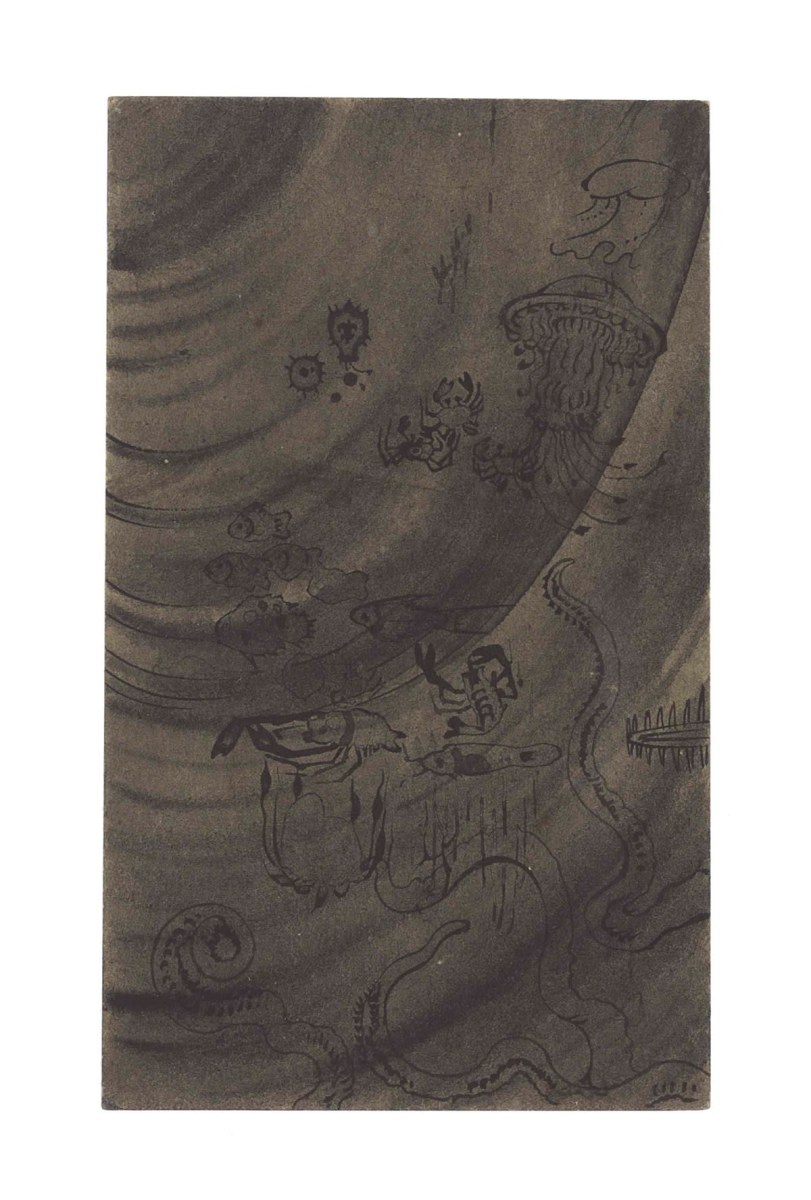
- Pastels Drawings Ink Sketches
- $10,000 - $40,000
- Kutum Katam Found Wood Objects
- Almost never offered; no reliable public price
- Finished Wash Paintings Figurative Narrative
- $50,000 - $200,000
- Lithographic Reproductions After Bharat Mata
- Ephemera/print market, low hundreds to low thousands - NOT comparable to autograph works and must not be conflated
- Iconic Nationalist or Major Dated Composition
- $500,000 - $1.4m+ (extremely rare at auction)
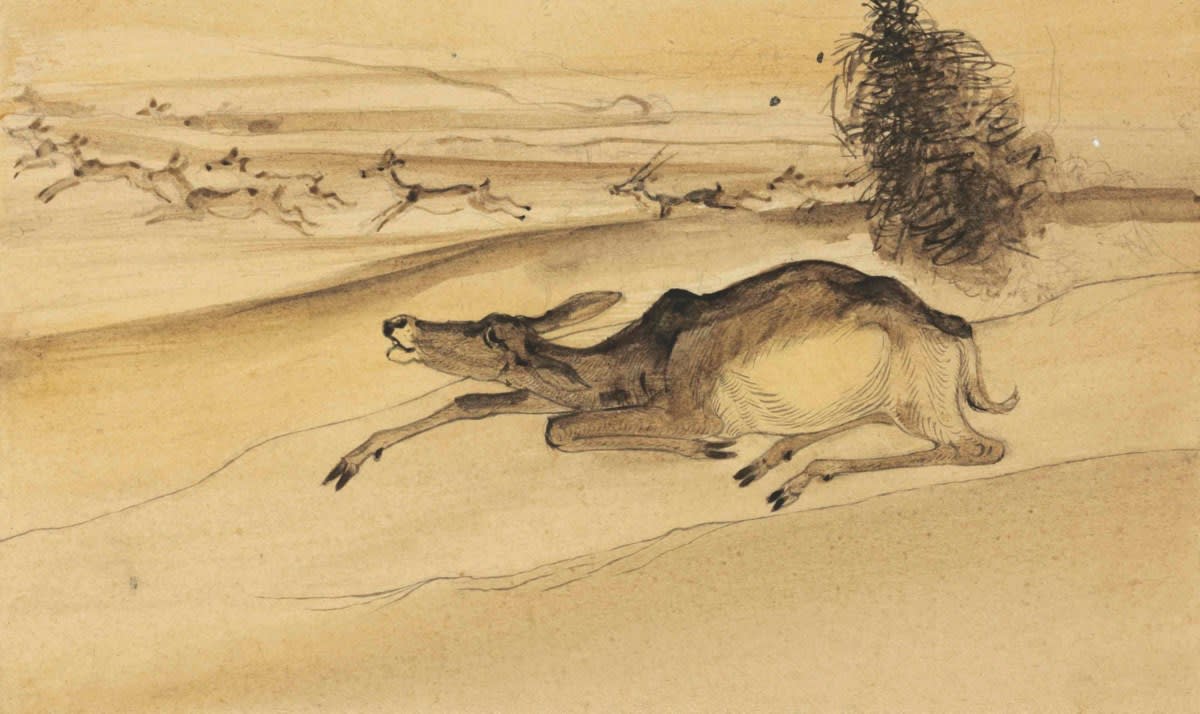
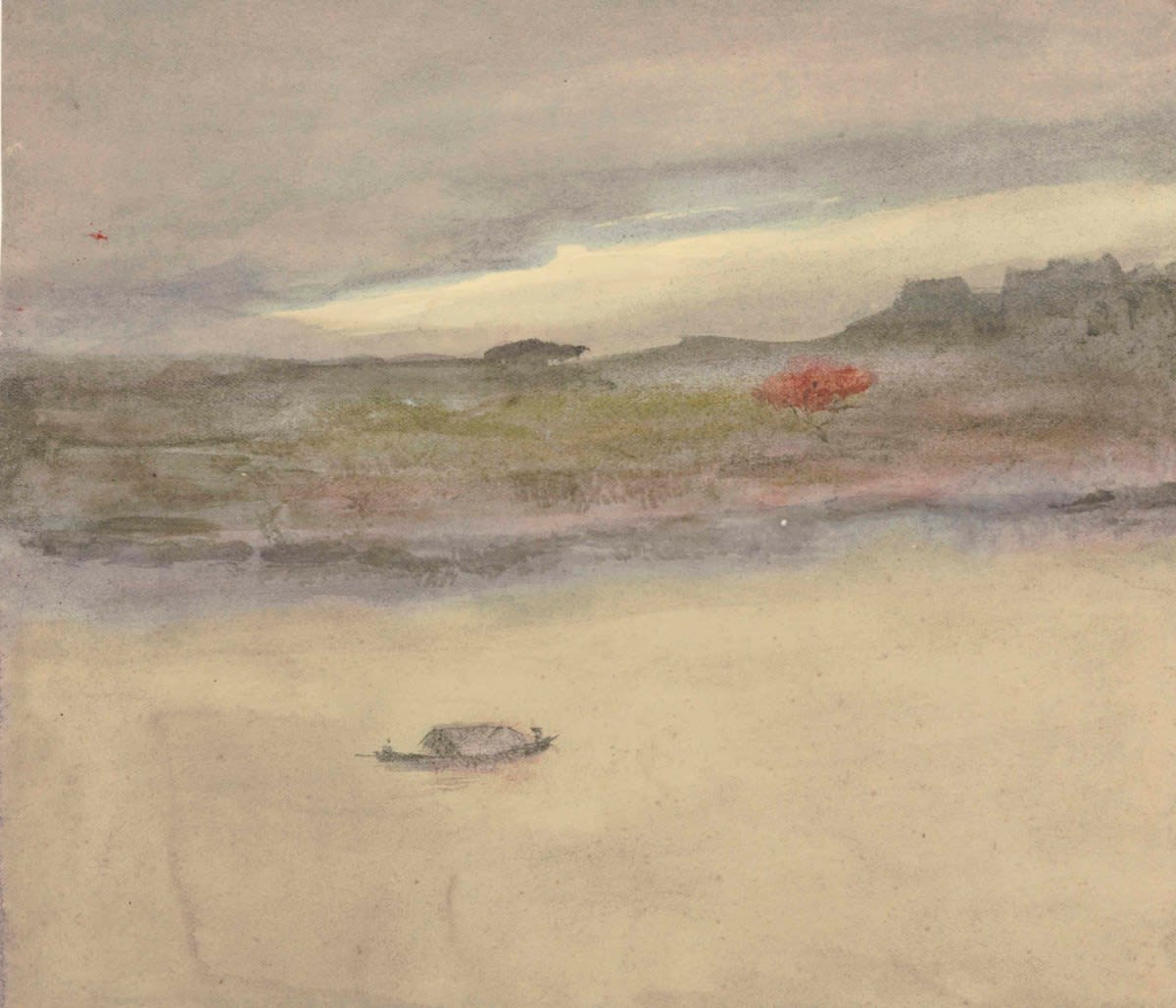
- Small Watercolour Studies Birds Animals Landscapes
- $20,000 - $60,000
- Primary Market
- None - artist died 1951. No gallery-controlled primary pricing exists. Dealer secondary offers (DAG, Akar Prakar) are typically 'price on request'; contact DAG for current dealer pricing.
- Post Record 2026
- Bifurcated. Historically significant nationally iconic subjects with strong provenance: up to $1.39m. Ordinary small studies, birds, landscapes: still $25,000-$75,000. The record has not yet been shown to lift the base of the market.
- Current 2024 2025
- Typical small works on paper $25,000-$60,000. Egon-recorded 2025 range $30,240 (Christie's, Mar 2025) to $50,624 (Bonhams, Dec 2025). Sotheby's New York carried a Bengal School sheet at a $20,000-30,000 estimate.
- Historical 2013 2019
- $20,000-$100,000 for typical small watercolours and wash sheets; single outlier at $555,800 (Siva-Simantini, Christie's 2013) for a major dated figure composition.
- Medium and Scale Note
- Effectively a works-on-paper market. There is no meaningful oil market - he rejected the medium. Scale is uniformly intimate (typically 15-40 cm), so price is driven by subject, date, provenance and iconicity rather than size.
- Liquidity
- Market Depth
- Shallow but deepening. The 11 June 2026 Christie's London sale (Goodricke Camellia Collection, GBP 18.91m total, reported 100% sold with multiple world records) was the largest liquidity event for Bengal School material in years.
- Structural Constraint
- CRITICAL. Abanindranath Tagore is one of nine 'navratna' artists designated by the Government of India whose works, under 1972 antiquities/art-treasures legislation, CANNOT BE EXPORTED FROM INDIA (Apollo Magazine). Material already outside India trades freely in London and New York; material inside India is confined to the domestic market. This bifurcates the market geographically, permanently suppresses international supply, and is both the reason the global float is thin and the scarcity mechanism behind the 2026 spike.
- Annual Volume Estimate
- Thin. Roughly 10-25 lots per year worldwide across Christie's, Sotheby's, Bonhams, Saffronart, AstaGuru, Pundole's and dealer channels; the Egon database logs 20 lots with only 3 settled.
- Comparables
- Peer Set
- Rabindranath TagoreGaganendranath TagoreNandalal BoseJamini RoyGanesh PyneAmrita Sher-Gil
- Value Argument
- He is the historically most consequential of the group and the cheapest per work; the discount is structural (medium, scale, export law), not reputational.
- Relative Position
- In the same June 2026 sale Ganesh Pyne set a record at ~GBP 3.8m / $5m with fees, roughly 3.6x Abanindranath's new record, and Kattingeri Krishna Hebbar, G. Ramanujam and Meera Mukherjee also set records. Amrita Sher-Gil's The Little Girl in Blue reached INR 18.7 crore / GBP 2.1m within India (Apollo). Abanindranath therefore sits BELOW the top of the Indian modern market in absolute price despite being its foundational figure - an art-historical-primacy-versus-price gap explained by his intimate works-on-paper output and the export restriction.
- Collector Base
- Demand Pattern
- Historically driven by Indian institutional and Bengali cultural buyers rather than international speculators. 2026 marks a shift toward international rooms competing for provenanced Bengal School material.
- Named and Identified
- Goodricke Group / Camellia PLC collection (Kolkata-based tea company with UK-headquartered parent) - consignor of the record Gandhi portrait; per The Art Newspaper numerous market sources identified them, and Camellia's 2025 annual report describes selling UK-based art assets to improve profitability. Collection assembled largely at auction in the 1990s-early 2000s with a Bengal focus
- Soma Chatterjee, the artist's granddaughter - family provenance appearing at Christie's Mumbai 2013 and Saffronart 2025
- Indian institutional collectors: Victoria Memorial Hall, Rabindra Bharati Society, NGMA
- Diaspora and NRI collectors in London, New York and the Gulf; early-acquired US private holdings (e.g. the San Francisco collection at Bonhams 2016)
- Auction History
- Current Record
- Work
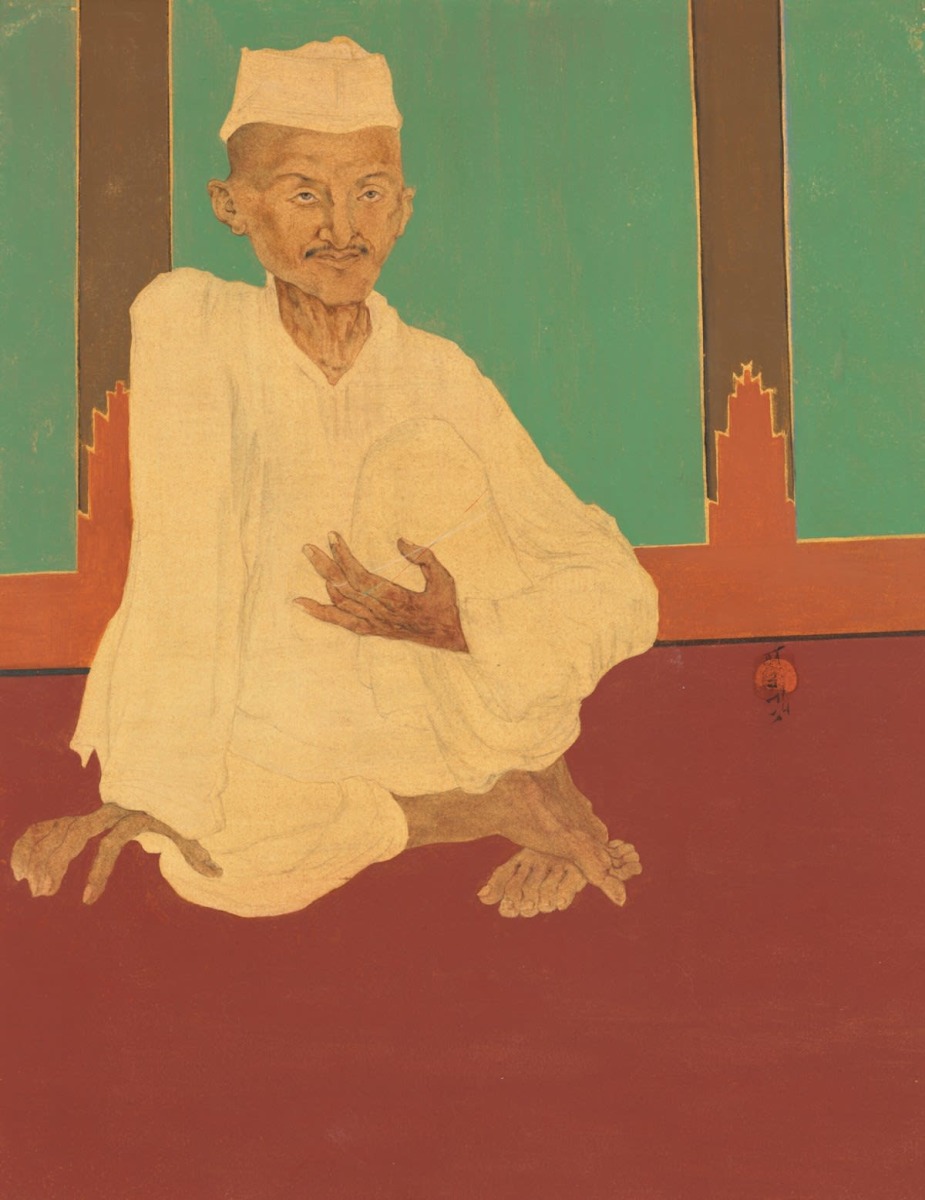
- Mahatma Gandhi, The Spinner of a Nation's Destiny (1922), watercolour, gouache and pencil on paper laid on cloth
- Venue
- Christie's London, 11 June 2026 - first Christie's South Asian Modern sale in London since 2019; the Goodricke/Camellia collection
- Provenance Note
- The Egon figure and the external figures describe the SAME lot and are reported with their own provenances rather than merged. Unreconciled discrepancy in the reported estimate: The Art Newspaper cites a GBP 50,000 high estimate, The Wire cites GBP 30,000-40,000. Both reported; not reconciled.
- Reported Figures
- EGON DATABASE: $1,391,727, Christie's, Jun 2026, exceeded high estimate
- HENI (external): $1.39m / GBP 1.04m, more than 34x the low estimate
- The Art Newspaper (external): hammer GBP 820,000, ~GBP 1m with fees, more than 15x the GBP 50,000 high estimate
- Aakriti Art Gallery market note (external): GBP 1,041,400
- Previous Record
- Untitled (Siva-Simantini) (1920) - $555,800, Christie's, 17 September 2013 (HENI). The June 2026 result beat it by $838,100, a ~150% rise.
- Bought in and Unsold
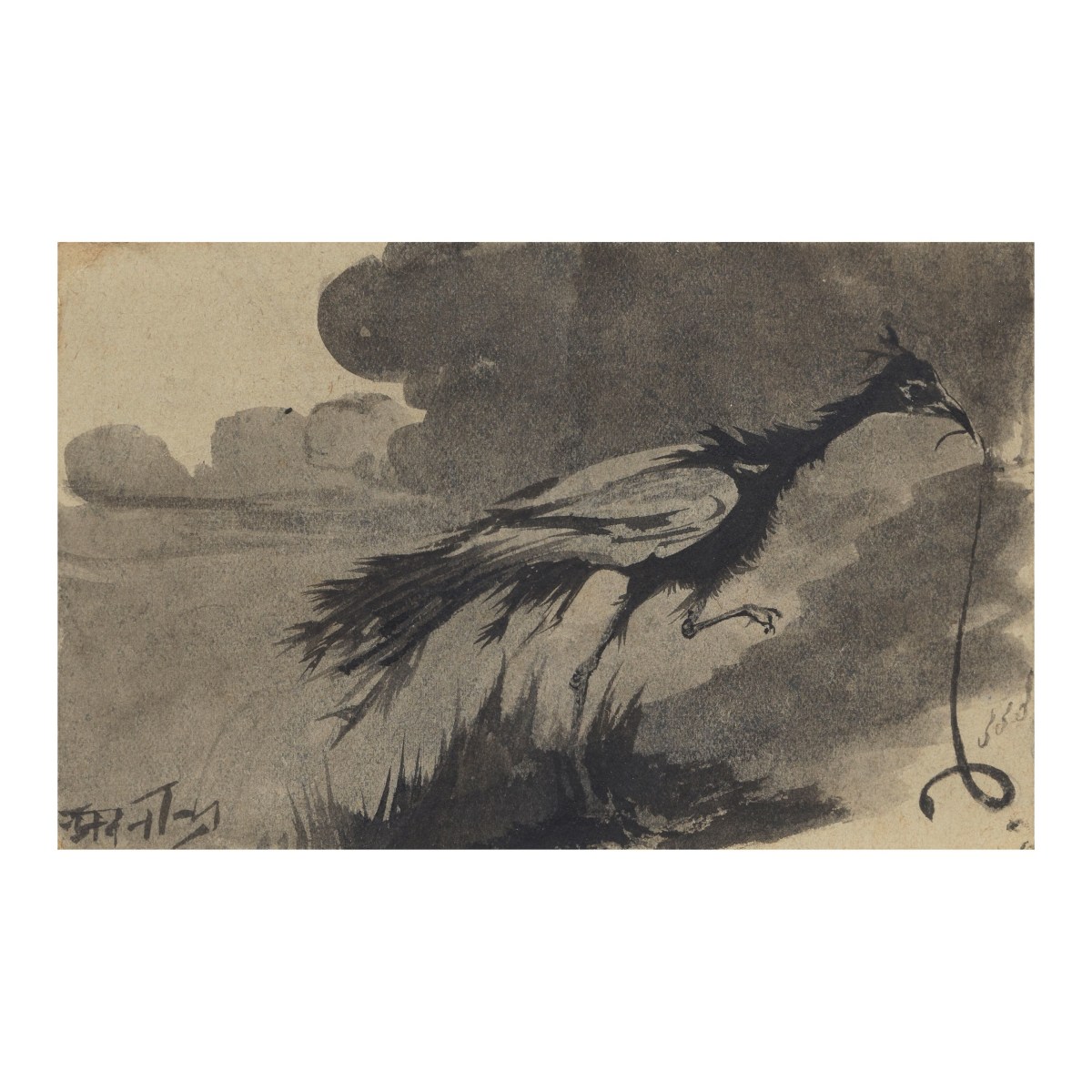
- Comprehensive buy-in data not retrievable within budget. The Egon database shows only 3 settled lots of 20 (17 upcoming) - too few to state a sell-through rate. One documented soft result: Untitled (Peacock), Bonhams Dec 2025, sold BELOW estimate, evidence that the June 2026 record is a single-work event rather than a uniform re-rating.
- Externally Sourced Lots
- Untitled, Head - pastel on paper 47 x 38 cm, acquired by the vendor's family directly from the artist; offered 9 June 2026 (Invaluable; result not retrieved)
- Untitled (Bird on Tree), c.1930s, watercolour 25.5 x 17 cm - Saffronart 25th Anniversary Sale, 2 April 2025, lot 46; ex-collection Soma Chatterjee, the artist's granddaughter, previously Christie's Mumbai 19 December 2013 lot 54 (result not retrieved)
- Untitled (Queen), watercolour 26.7 x 20.3 cm - Christie's, 30 March 2024
- Untitled (Maiden), watercolour 21.2 x 18 cm - Christie's, 27 May 2016
- Untitled (Landscape), watercolour 17.5 x 24.5 cm - Bonhams, 21 April 2016 (San Francisco private collection, thought acquired directly from the artist)
- Untitled - watercolour, Clars Auctions, 18 March 2019 (regional US house, small sheet)
- 'The New Infectionism' (1922), inscribed to Nandalal Bose at Santiniketan - Invaluable record, date/result not retrieved
- Untitled (Katla Fish) - estimate $20,000-30,000, Sotheby's Modern & Contemporary South Asian Art, New York, 18 March (year not specified in the retrieved Sotheby's article)
- Recent Lots From Egon Database
- Mahatma Gandhi, The Spinner of a Nation's Destiny - $1,391,727, Christie's, Jun 2026, exceeded high estimate
- Untitled (Peacock) - $50,624, Bonhams, Dec 2025, BELOW estimate
- Untitled (A Moonlight Music Party) - $30,240, Christie's, Mar 2025, exceeded high estimate
- 17 further lots listed as upcoming (20 lots total, 3 settled)
- Investment Outlook
- Risks
- Single-lot record risk - one exceptional Gandhi image, not a repriced oeuvre; a Bonhams lot sold below estimate three months earlier
- Attribution and condition risk: unsigned or lightly signed small wash sheets are widely faked in the Indian market, and wash works are light-sensitive; no catalogue raisonne exists
- Name collision with Gaganendranath / Sunayani / Rabindranath Tagore in cataloguing
- Export prohibition eliminates arbitrage for India-located works
- Thin comparables make marking-to-market unreliable
- Drivers
- First Christie's London South Asian sale since 2019 and its 100%-sold result
- Institutional-quality collections with clean 1990s provenance coming to market
- Broad 2026 strength in the South Asian category following Christie's record March 2026 New York sale
- Permanent export restriction constraining international supply
- Verdict
- Buy the provenance, not the name. Works with documented pre-1970 or family provenance and a dated, narratively significant subject are the only segment where the 2026 repricing is likely to hold.
- Trajectory
- Sharply upward at the top end from June 2026; flat-to-modest in the $20k-60k body of the market.
Institutional presence
- Exhibitions
- Upcoming
- No specific forthcoming Abanindranath lot or exhibition could be confirmed for late 2026. Sotheby's Modern & Contemporary South Asian Art 2026 sales are the active channel, and the Egon database lists 17 upcoming lots - the best forward signal available.
- Biennials
- Pre-dates the biennial circuit; no biennial participation. Posthumous inclusion in survey exhibitions of Indian modernism.
- Historical Group
- Indian Society of Oriental Art exhibitions, Calcutta, from 1907 - the institutional platform he created
- 1922: Bauhaus exhibition in Calcutta staged by the Society of Oriental Art alongside Bengal School artists - a landmark of global modernism's cross-traffic
- Early-20th-century London and Paris showings of Indian Society of Oriental Art material promoted through Havell and Coomaraswamy
- Solo and Monographic
- Major monographic retrospective at Victoria Memorial Hall, Kolkata, curated by Prof. Ratan Parimoo (Director, Lalbhai Dalpatbhai Museum of Indology and N. C. Mehta Gallery, Ahmedabad), drawn from the combined Victoria Memorial Hall and Rabindra Bharati Society collections and covering the entire oeuvre including Bharatmata and The Passing of Shah Jahan; documented on Google Arts & Culture
- Exhibited at the Athene Gallery, Geneva, Switzerland (per DAG chronology) - early international exposure
- DAG maintains a dedicated artist programme and chronology and has presented Bengal School surveys including his work
- Recent Market Exhibitions
- Christie's London 'Sublime Shadows' / South Asian Modern & Contemporary, 11 June 2026 - the Goodricke Camellia Collection, GBP 18.91m total, reported 100% sold with multiple world records
- Sotheby's Modern & Contemporary South Asian Art (New York and London seasons) has included his work with Bengal School contextual essays
- Publications
- Tapati Guha-Thakurta, The Making of a New 'Indian' Art: Artists, Aesthetics and Nationalism in Bengal, c. 1850-1920 (Cambridge University Press, 1992)
- Partha Mitter, Art and Nationalism in Colonial India, 1850-1922 (Cambridge University Press, 1994)
- Debashish Banerji, The Alternate Nation of Abanindranath Tagore - reviewed in caa.reviews (College Art Association), credited with filling a gap in early-modern South Asian scholarship
- Ashok K. Bhattacharya, 'Abanindranath Tagore', Indian Museum Bulletin; Mrinal Ghosh on the ideological genesis of the Bengal School
- The artist's own theory: Bageshwari Shilpa-Prabandhabali and Bharatshilpe Murti
- Continuing peer-reviewed attention, e.g. IIS University Journal of Arts vol. 14(1), 2025, on the Bengal School's formation
- NO CATALOGUE RAISONNE identified - a notable gap and an authentication risk for the market
- State Recognition
- Designated one of nine 'navratna' artists whose works are national treasures under India's 1972 antiquities/art-treasures legislation and cannot be exported - the highest form of state cultural validation available to an Indian artist, and a stronger institutional signal than any single acquisition.
- Museum Collections
Institution Credit Line Holdings Tier Victoria Memorial Hall, Kolkata credit line not published/not retrieved The deepest public holding: Bharat Mata (1905), The Passing of Shah Jahan (1902), Portrait of Dr. A. Coomaraswamy, Jesus Christ, and the 1937 palm impression of the artist's right hand First-rank Indian national institution (Ministry of Culture) Rabindra Bharati Society, Kolkata credit line not published/not retrieved Core Abanindranath holding, combined with Victoria Memorial Hall's for the Parimoo-curated retrospective Major national heritage collection National Gallery of Modern Art (NGMA), New Delhi credit line not published/not retrieved Includes Journey's End (c. 1913, tempera on paper) First-rank Indian national museum of modern art Metropolitan Museum of Art, New York credit line not published/not retrieved Holding indicated by Egon's aggregator name-match (a floor, not a count). Now that identity resolves to 1871-1951 this should be re-queried against the Met's own database; not confirmed work-by-work in this pass First-rank encyclopedic Victoria & Albert Museum, London credit line not published/not retrieved Holding indicated by Egon's aggregator name-match; the V&A is the expected repository given Havell's and the Indian Society of Oriental Art's early-20th-century London connections, but individual accessions were not confirmed First-rank Smithsonian Institution (National Museum of Asian Art / Freer-Sackler), Washington DC credit line not published/not retrieved Holding indicated by Egon's aggregator name-match; not confirmed work-by-work First-rank Indian Museum, Kolkata; Rabindra Bharati University, Kolkata; Kala Bhavana / Rabindra Bhavana, Visva-Bharati, Santiniketan credit line not published/not retrieved Bengal School holdings of the Tagore circle; Abanindranath material present across the Jorasanko/Santiniketan institutional network Major national and university collections N. C. Mehta Gallery / Lalbhai Dalpatbhai Museum of Indology, Ahmedabad credit line not published/not retrieved Important early modern Indian painting collection; its director Ratan Parimoo is the leading Abanindranath specialist Significant specialist Indian museum - Credit Line Disclosure
- Acquisition credit lines could not be retrieved from museum collection databases within the 10-search budget for any holding below. Every entry is marked 'credit line not published/not retrieved' rather than inferred. NOTE: the curatorial-initiation credit-line test applies to acquisitions contemporaneous with a live market; for a 1871-1951 figure whose principal holdings entered Indian public collections as national-heritage material, depth of national-institutional holding and state cultural designation are the appropriate evidence.
- Awards and Recognition
- CIE - Companion of the Order of the Indian Empire
- Honorary doctorate, University of Calcutta
- Vice-Principal, Government School of Art, Calcutta (1905-1915)
- Chancellor (Acharya) of Visva-Bharati University, Santiniketan (from 1942)
- Founder, Indian Society of Oriental Art (1907)
- 'Navratna' national-treasure artist designation, Government of India
- Widely titled 'Father of Modern Indian Art' in institutional literature (Victoria Memorial Hall)
Career & Biography
- Identity
- Birth
- 7 August 1871, Jorasanko, Calcutta (Kolkata), Bengal, British India
- Death
- 5 December 1951, Calcutta (Kolkata), West Bengal, India (one secondary source, AstaGuru, gives 7 August 1951; 5 December 1951 is the consensus)
- Gender
- male
- Full Name
- Abanindranath Tagore (Bengali: অবনীন্দ্রনাথ ঠাকুর); popularly 'Aban Thakur'
- Honorific
- CIE (Companion of the Order of the Indian Empire)
- Nationality
- Indian (South Asian), Bengali
- Getty Ulan Id
- 500121704
- Current Location
- Deceased (1951); legacy works concentrated in Kolkata institutions and among family descendants
- Name Collision Warning
- Four Tagore painters trade in the same market: Abanindranath (1871-1951), brother Gaganendranath (1867-1938), sister Sunayani Devi (1875-1962), uncle Rabindranath (1861-1941). Name-matching between them is common in both museum and auction data; always verify life dates on the lot header.
- Identity Conflict Resolution
- Egon flagged an identity conflict. RESOLVED. The Getty ULAN structured fields supplied give birth 1867 / death 1938, but Getty's OWN biography line in the same record reads 'Indian painter and writer, 1871-1951'. Every independent source consulted (Wikipedia, Britannica, Christie's/Bonhams/Invaluable lot headers 'ABANINDRANATH TAGORE (1871-1951)', Victoria Memorial Hall) gives 1871-1951. The erroneous 1867-1938 dates are those of his elder brother GAGANENDRANATH TAGORE (b. 17/18 September 1867, d. 14 February 1938), also a Bengal School painter - a sibling collision in the authority record, exactly the failure mode the flag describes. Identity is therefore ESTABLISHED: Abanindranath Tagore, Indian, 1871-1951. Withheld aggregator holdings can be released against these dates.
- Writing Career
- Major Bengali author: Rajkahini, Buro Angla, Nalak, Khirer Putul, Jorasankor Dhare, Shakuntala; art theory in Bageshwari Shilpa-Prabandhabali and Bharatshilpe Murti. Literary and visual practices are continuous - paintings carry literary superscriptions, the prose is heavily visual.
- Career Timeline
- c. 1890s: Early work in European naturalism (oil, pastel); growing dissatisfaction with the colonial academic system
- 1902: The Passing of Shah Jahan - Mughal-revivalist breakthrough (Victoria Memorial Hall, Kolkata)
- 1905: Bharat Mata painted during the Swadeshi agitation against the Partition of Bengal; becomes the emblematic image of anti-colonial nationalism
- 1905-1915: Vice-Principal, Government School of Art, Calcutta, under Havell
- 1907: Principal founder of the Indian Society of Oriental Art (with brother Gaganendranath); later publisher of the journal Rupam
- c. 1913: Journey's End, tempera on paper (National Gallery of Modern Art, New Delhi)
- 1910s-1920s: Teaching generation formed - Nandalal Bose, Asit Kumar Haldar, Kshitindranath Majumdar, Samarendranath Gupta; Bengal School spreads across the subcontinent
- 1922: Mahatma Gandhi, The Spinner of a Nation's Destiny; the Society of Oriental Art hosts the Bauhaus exhibition in Calcutta alongside Bengal School work
- 1920s-1930s: Distances himself from the Bengal School as it hardens into an official national style (noted by Partha Mitter, per DAG's chronology); subjects widen to animals, birds, portraits and literary superscriptions; exhibits at the Athene Gallery, Geneva
- 1930s: Arabian Nights series; Mask series of Bengali theatre actors; Kutum-Katam assembled found-wood objects
- 1942-1951: Chancellor (Acharya) of Visva-Bharati, Santiniketan after Rabindranath's death; honorary doctorate, University of Calcutta; prolific Bengali children's literature and art theory
- Education and Training
- Formal
- No conventional art-school degree; briefly attended Sanskrit College, Calcutta. Training was studio-based and private.
- Teachers
- Olinto Ghilardi (Italian artist, Calcutta) - early academic instruction in pastel and life study
- Charles Palmer (English artist) - oil and, decisively, watercolour; per the Bonhams/Invaluable catalogue biography he encouraged Tagore to adopt watercolour as his medium
- E. B. Havell, Principal of the Government School of Art, Calcutta - the pivotal mentorship
- Havell Relationship
- Havell urged students to look to Mughal miniature painting and India's own artistic past rather than British academic models; this redirected Tagore's practice and seeded the Bengal School.
- Japanese Transmission
- Close association from the early 1900s with Okakura Kakuzo and the Nihonga painters Yokoyama Taikan (and Hishida Shunso), from whom the wash/morotai technique entered his practice.
- Studio Practice and Method
- Worked at the family house at Jorasanko, Calcutta. Small-scale, intimate works on paper; the signature method is the multi-layer 'wash' - dilute watercolour/tempera repeatedly laid and washed back to produce atmospheric, edgeless tonality. Also pastel, ink, and late-career assembled found-wood sculpture (Kutum-Katam). Almost no large-scale oil painting; he regarded the oil medium as materialistic.
- Influences and Contemporaries
- Influences
- Mughal and Rajput miniature paintingAjanta muralsJapanese Nihonga wash painting (Okakura, Yokoyama Taikan)Whistlerian tonalism and Art Nouveau line transmitted via HavellBengali literature, Vaishnava poetry, folk narrative
- Intellectual Circle
- E. B. HavellAnanda K. Coomaraswamy (whose portrait he painted)Sister NiveditaOkakura KakuzoRabindranath Tagore (uncle)
- Contemporaries and Students
- Gaganendranath Tagore (brother)Sunayani Devi (sister)Nandalal BoseAsit Kumar HaldarKshitindranath MajumdarJamini Roy (adjacent)Ram Kinkar Baij (Santiniketan generation)
- Political and Social Engagement
- Central visual author of Swadeshi cultural nationalism; Bharat Mata functioned as a movement image and was mass-circulated in lithograph by the Indian Press, Allahabad, from 1910. Simultaneously anti-parochial: his pan-Asianism (via Okakura) and his later withdrawal from the school he founded mark resistance to art becoming state ideology.
Artistic Profile
- Style
- Core
- Intimate-scale, atmospheric, edgeless painting. Tonal wash construction, soft edges, shallow flattened space, foreground-dominant figure arrangement, narrative carried by pose and light rather than dramatic action. Deliberately anti-monumental and anti-academic.
- Distinctive Markers
- Multi-layered wash producing dissolved contours and a veiled, luminous ground
- Mughal architectural framing devices (cusped arches) used as picture-within-picture
- Ajanta-derived rounded figure modelling
- Calligraphic single-stroke brushwork in the ink works
- Signature in Bengali script, usually upper or lower right
- Almost invariably paper support, sheet typically 15-40 cm
- Fingerprint Confirmation
- Egon's tier-1 signals - Early Modern / 1900-1945, narrative themes, foreground, intimate-scale, soft edges - are all CONFIRMED by the source literature and by catalogue descriptions of works offered 2016-2026. The low aggregate coherence (0.44) is correctly read as genuine breadth: wash figure narratives, monochrome ink brush studies, pastel heads and found-wood objects are four distinct sub-practices by one hand.
- Evolution
Description Phase European naturalism in oil and pastel under Ghilardi and Palmer; work he later repudiated c. 1890-1900 - Academic Miniature-derived history painting and nationalist allegory: The Passing of Shah Jahan, Bharat Mata 1900-1910 - Mughal revival / Swadeshi Nihonga-inflected atmospheric wash; Journey's End, Krishna Lila, the 1922 Gandhi portrait, Omar Khayyam. Peak influence 1910-1925 - Wash maturity / pan-Asian Distances himself from the Bengal School as it becomes official style; Arabian Nights series; freer, more calligraphic and humorous work; birds, animals, literary superscriptions; Geneva showing 1925-1940 - Withdrawal and expansion Mask series of Bengali theatre actors; Kutum-Katam found-wood assemblages; Visva-Bharati chancellorship; primacy of Bengali prose 1940-1951 - Late - Influences
- Upstream
- Mughal and Rajput miniature paintingAjanta wall paintingJapanese Nihonga wash (Okakura Kakuzo, Yokoyama Taikan, Hishida Shunso)E. B. Havell's revivalist pedagogyWhistlerian tonalism and Art Nouveau line
- Downstream
- Nandalal BoseAsit Kumar HaldarKshitindranath MajumdarSamarendranath Guptathe Santiniketan lineage through Ram Kinkar Baij and Benode Behari Mukherjeeindirectly, Jamini Roy's folk turn
- Visual Language
- Wash-built tonality over line; nocturnal and crepuscular palettes (silvery blue, pale ochre, cream); architecture as frame rather than setting; the sheet's reserve used as light. In the ink works, economy of stroke and pooled wet-into-wet washes derived from sumi-e.
- Themes and Subjects
- Nationalist allegory - Bharat Mata as goddess of food, clothing, learning and spiritual strength
- Mughal history and court elegy - The Passing of Shah Jahan
- Literary and mythological narrative - Krishna Lila, Shakuntala, Omar Khayyam, Arabian Nights
- Ragamala-adjacent musical and nocturnal gatherings
- Birds and animals as calligraphic studies
- Portraiture - Coomaraswamy, Gandhi, Bengali theatre actors in the Mask series
- Christian and cross-cultural subjects (Jesus Christ)
- Movements and Periods
- Bengal School of Art (founder)Neo-Bengal / Neo-Indian revivalismSwadeshi nationalist artContextual ModernismEarly Modern, 1900-1945 bracket - confirms Egon fingerprint period labels
- Techniques and Mediums
- Watercolour and gouache wash on paper - the signature method, absorbed from NihongaTempera on paper (Journey's End)Ink wash / sumi-e-derived monochrome brush drawingPastel on paper - early academic training and late headsPencil underdrawing, occasionally paper laid on clothKutum-Katam - assembled found-wood objects, late careerNOT an oil painter by conviction; NOT primarily a printmaker
- Fingerprint Disagreement
- Egon's technical axis for one tier-1 exemplar reads 'Woodblock print on handmade paper, translucent layered color registration achieving watercolour-like wash effects'. THIS CONFLICTS WITH THE SOURCE RECORD. Abanindranath's autograph practice is watercolour/gouache/tempera wash on paper, not woodblock printing; the record Christie's lot is catalogued as watercolour, gouache and pencil on paper laid on cloth. The wash technique itself produces the layered translucent registration the fingerprint attributes to woodblock. Separately, Bharat Mata was mass-reproduced LITHOGRAPHICALLY by the Indian Press, Allahabad, from 1910 - reproductive prints after his work circulate widely and are frequently mistaken for autograph works. Recommend Egon re-examine that exemplar: it is likely either a wash painting misread or a reproductive print misattributed as autograph. The distinction is worth tens of thousands of dollars per object.
- Signature Series and Works
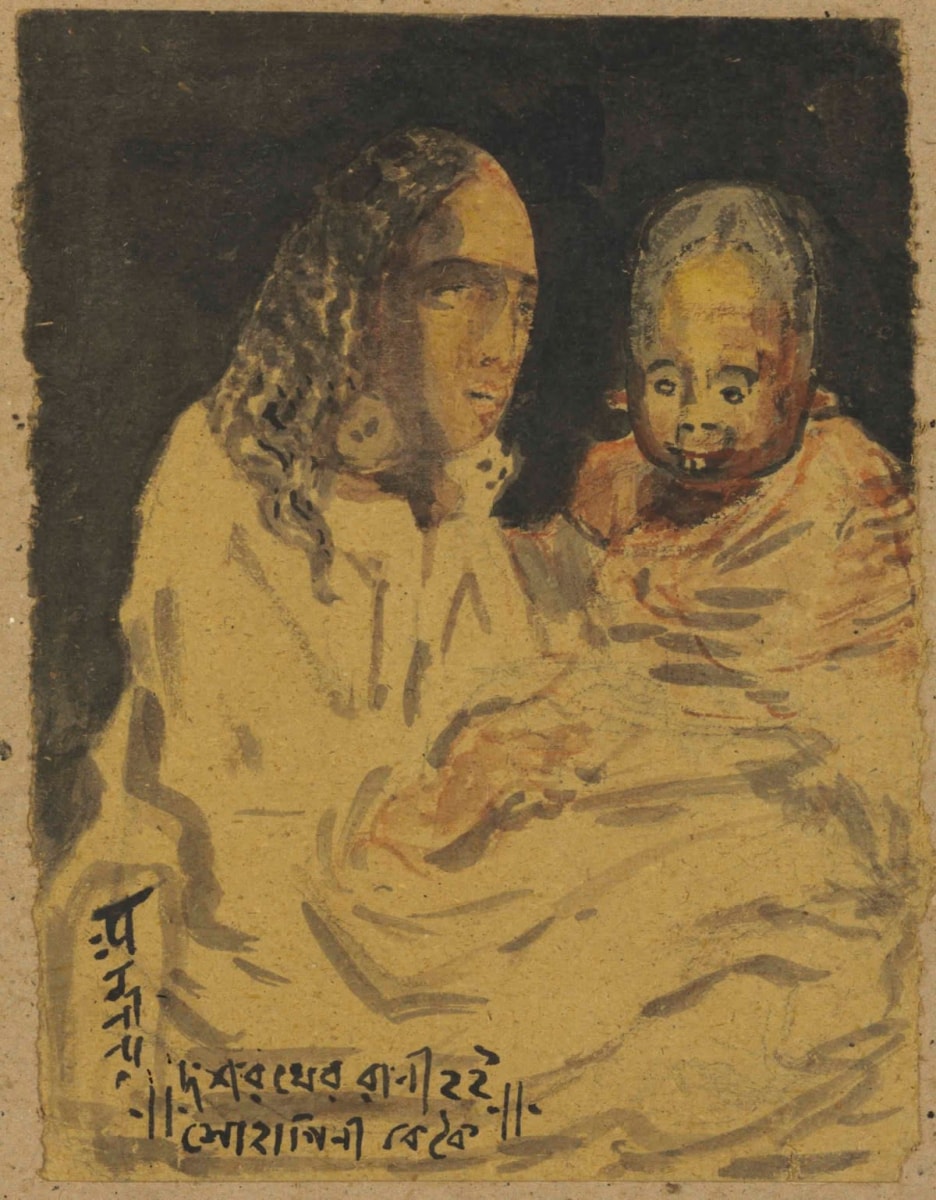
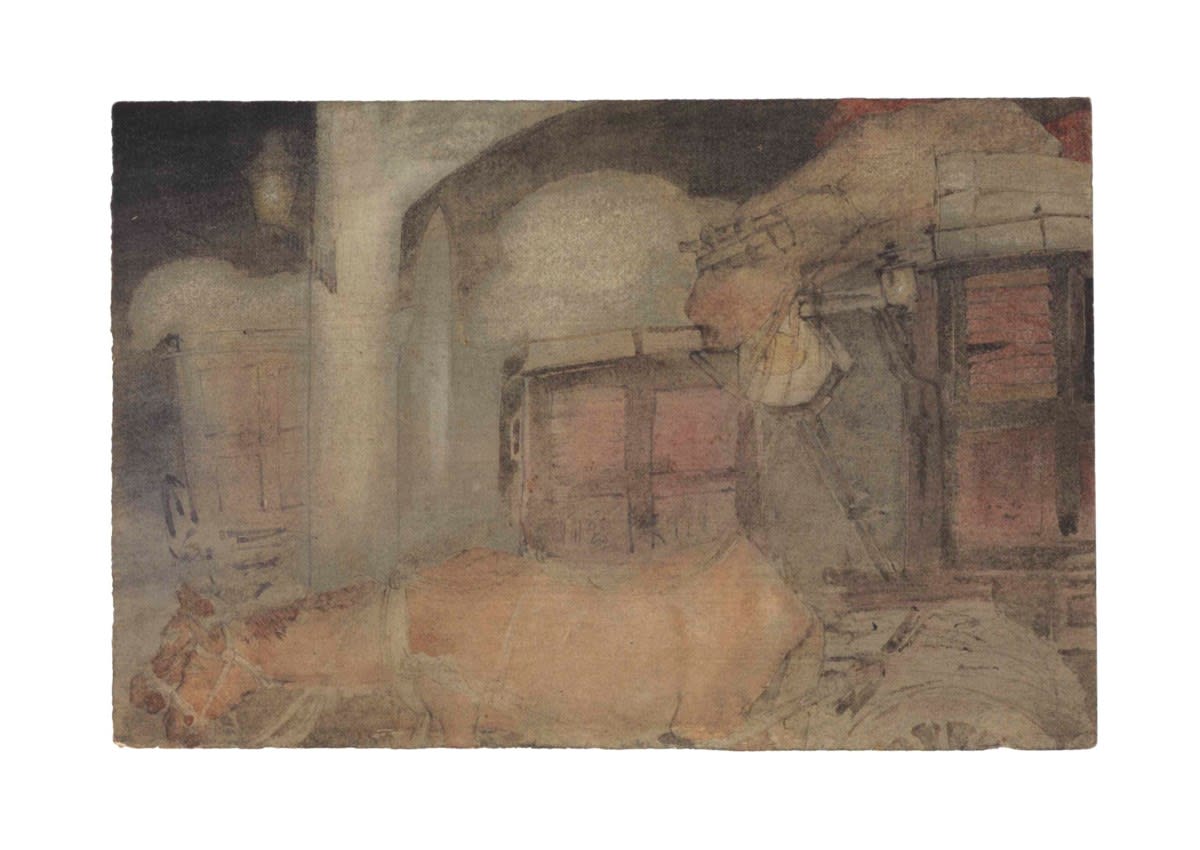
- Bharat Mata (1905)The Passing of Shah Jahan (1902)Journey's End (c. 1913)Mahatma Gandhi, The Spinner of a Nation's Destiny (1922)Untitled (Siva-Simantini) (1920)Arabian Nights series (1930s)Mask seriesKrishna Lila seriesUntitled (A Moonlight Music Party)Untitled (Peacock)
Critical Reception
- Academic Discourse
- Positioned at the origin point of Indian modernism and of 'Contextual Modernism' (the Santiniketan-adjacent framework advanced by R. Siva Kumar). He is the pivot on which the argument that non-Western modernism was not derivative turns, which is why the postcolonial turn in art history restored him to prominence.
- Critical Reception
- Reception Arc
- Celebrated 1900s-1920s as the national style; eclipsed mid-century by the Progressive Artists' Group and post-1947 modernism, which read the wash aesthetic as nostalgic; substantially rehabilitated since the 1990s by postcolonial art history and, since roughly 2020, by the market.
- Scholarly Debate
- Three positions dominate. (1) Guha-Thakurta (1992) reads him through the construction of a 'new Indian art' inside nationalist discourse. (2) Mitter (1994) situates him in art and nationalism in colonial India and notes his later distancing from the Bengal School as it became the national language of art. (3) Banerji's The Alternate Nation of Abanindranath Tagore, per its caa.reviews assessment, extends that discourse to regional traditions and reads Tagore's Bengal and cosmopolitan Calcutta as the site of an alternate, non-statist nationalism. A revisionist strand critiques the Bengal School as retrogressive or sentimental relative to later Indian modernism - a critique against which his own late withdrawal from the school is often cited.
- Art Historical Standing
- Canonical. Described in institutional literature as the foundational figure of the Bengal School and 'Father of Modern Indian Art' (Victoria Memorial Hall); Britannica credits him with pioneering the Bengal School and reviving Mughal and Rajput painting, and identifies Bharat Mata (1905) as emblematic of Indian anti-colonial resistance and his most iconic work.
- Publications and Media
- Editorial Lists
- Not applicable - 'artists to watch' and 'new talent' formats do not apply to a historical artist. The functional equivalent is inclusion in the standard scholarly survey literature on modern Indian art, where his presence is universal.
- Egon Label Verification
- Egon's provisional label for the Artnet item was 'Auction Record'. VERIFIED CORRECT and independently corroborated by HENI, The Art Newspaper, The Wire and Aakriti: the 11 June 2026 Christie's London sale did set a world auction record for the artist. No reclassification needed. One caveat the Egon record does not carry: the record is a single exceptional lot from a distressed corporate consignment (Camellia PLC selling art assets to improve profitability), not a broad re-rating - a Bonhams lot six months earlier sold below estimate.
- Recent Market Press 2026
- Artnet News, 12 June 2026 - 'Christie's London Sale Confirms Growing Appetite for South Asian Art', reporting that Abanindranath Tagore and Kattingeri Krishna Hebbar both achieved auction records
- The Art Newspaper, 15 June 2026 - 'Indian tea company's art collection soars at Christie's London', on the Goodricke/Camellia consignment
- The Art Newspaper, 31 March 2026 - Christie's first London South Asian Modern sale in seven years, previewing Abanindranath Tagore and Ram Kinkar Baij
- HENI, 11 June 2026 - record analysis quantifying the 150% jump over the 2013 record
- The Wire - coverage of the GBP 18.91m Goodricke Camellia Collection result
- Apollo Magazine - 'The market is hot for modern Indian art', identifying him among the nine navratna national-treasure artists
- Sotheby's editorial - 'How the Bengal School of Art Gave Rise to Indian Nationalism'
- Tier 1 Contemporary Art Press
- No Artforum, frieze or Art in America review activity found. His critical presence is in academic art history and the market press rather than contemporary-art criticism - expected for a pre-war historical figure and not a negative signal.
Gallery & Representation
- Fair Presence
- Reaches the market through India Art Fair (New Delhi) via DAG and Akar Prakar, and through Asia Week New York and London Asian Art sales weeks. No contemporary fair booth presence in the living-artist sense.
- Representation
- Status
- NO LIVING-ARTIST GALLERY REPRESENTATION - artist died 1951. The market is entirely secondary.
- Auction Channels
- Christie's (London, New York, formerly Mumbai)Sotheby's (New York, London, Mumbai)BonhamsSaffronart (Mumbai/New York)AstaGuru (Mumbai)Pundole's (Mumbai)Regional US houses such as Clars
- Verification Note
- DAG's artist page confirmed on the gallery's own site. Other dealer roles are inferred from catalogue and market-press evidence rather than a current roster, since no roster can exist for a deceased artist.
- Principal Secondary Market Dealers
Name Locations Role Tier DAG (formerly Delhi Art Gallery) New Delhi, Mumbai, New York Maintains a dedicated Abanindranath Tagore artist page and detailed chronology; the leading dealer-scholar operation in Bengal School material Tier 1 for Indian modern art Akar Prakar Kolkata, New Delhi Bengal School and Santiniketan-lineage material Tier 2, Bengal specialist Oliver Forge & Brendan Lynch London Has handled Bengal School painting (documented via the L.T.P. Manjusri collection catalogue) Specialist dealer Aakriti Art Gallery Kolkata Bengal School trade and market commentary Regional
- Geographic Reach
- The domestic Indian market is deepest but legally sealed for export. International trading is confined to the pre-existing diaspora float in London, New York and the Gulf. This is a two-compartment market with no arbitrage between the compartments.
- Representation History
- Historically he showed through the Indian Society of Oriental Art, which he founded in 1907, rather than through commercial galleries; a Geneva showing at the Athene Gallery is the documented European commercial exposure.
This is what the market knows about Abanindranath Tagore. What Egon can also tell you: whether Abanindranath Tagore fits your portfolio — based on your existing holdings, budget, and investment timeline.
Get personalized analysisActive market signals
Inside Egon
Signal timeline & strength analysis
Gallery moves, auction records, institutional acquisitions, price milestones — tracked over 90 days
Full signal timeline, strength analysis, and alert configuration for Abanindranath Tagore.
Collector demographics & buyer analysis
Geographic distribution, institutional vs. private buyers, collector profiles, and secondary market activity
Who is collecting Abanindranath Tagore? Geographic distribution, institutional vs. private buyers, and collector profile analysis.
Personalized acquisition strategy
Optimal entry points, comparable pricing analysis, timing recommendations, and portfolio fit assessment
Personalized acquisition strategy for Abanindranath Tagore based on your budget, timeline, and collection goals.
Go deeper with personalized intelligence
You now have Egon's market assessment of Abanindranath Tagore. The next question is personal: does this artist belong in your collection? Egon analyzes collection fit based on your aesthetic thesis, existing holdings, budget, and investment goals — delivering acquisition strategies no public index can provide.