Marcel Duchamp
Blue-chipEgon research · Artist market profile
The market, in context.
Explore Marcel Duchamp’s auction history alongside the exhibitions, collections and gallery relationships behind the market.
Institutional research
Collections & exhibitions
Read holdings, exhibition history and their qualifications in context.
Read the institutional research →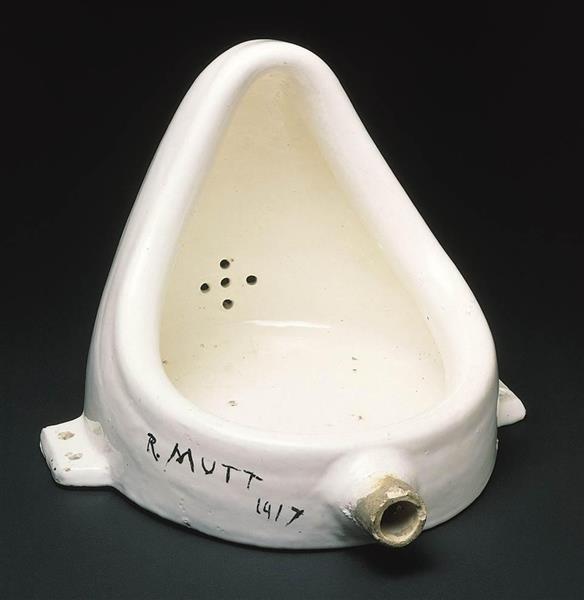


Egon investment scores
Market position
Research updated
Auction record context
Belle Haleine — Eau de Voilette (1921) sold for $11,360,067 (€8.91m) at Christie's Paris, 23 February 2009, from the Yves Saint Laurent/Pierre Bergé collection sale. Still the artist's auction record as of August 2026.
Auction highlights
In Advance of the Broken Arm (1964 Schwarz readymade edition; wood and galvanized-iron snow shovel, h. 131.2 cm)
- Result
- $2,881,000
- Venue and date
- Christie's New York, May 2026
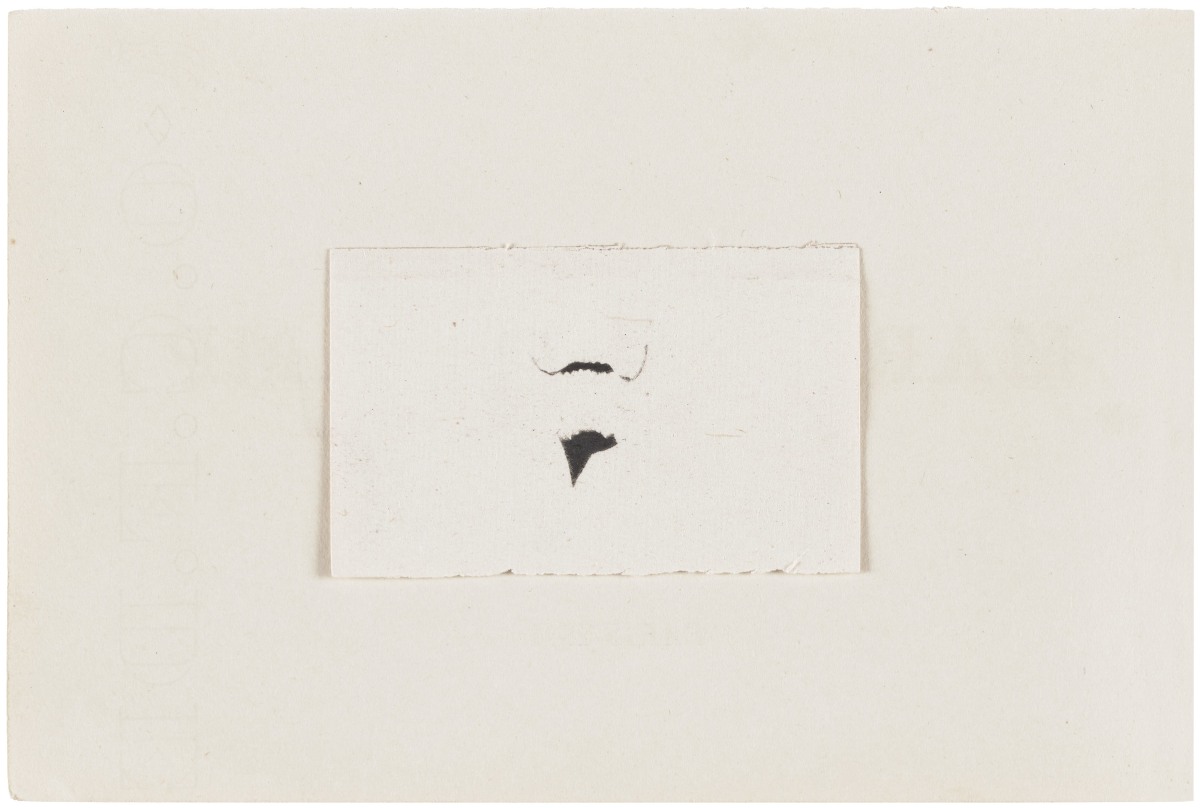
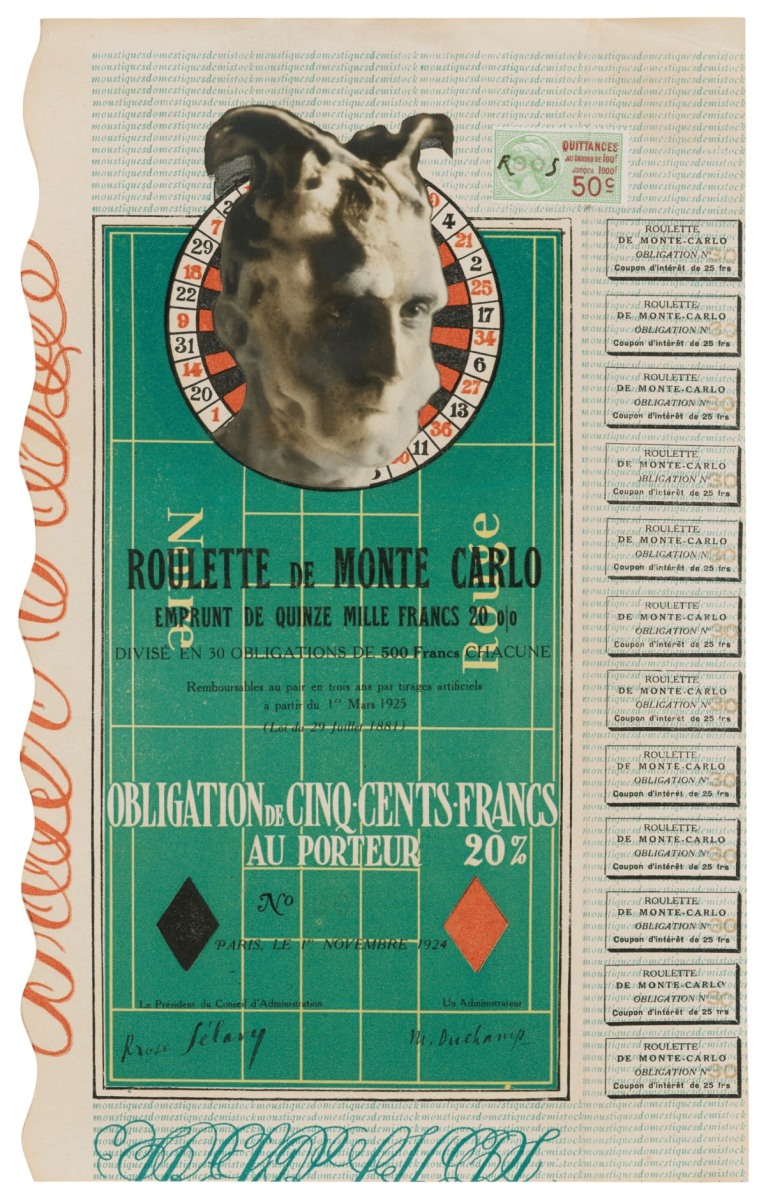
Monte Carlo Bond (No. 30), imitated rectified readymade (ink, gelatin silver print collage and tax stamp on printed paper, 31.1 x 19.4 cm)
- Result
- $1,143,000 (below estimate)
- Venue and date
- Christie's New York, 18 May 2026
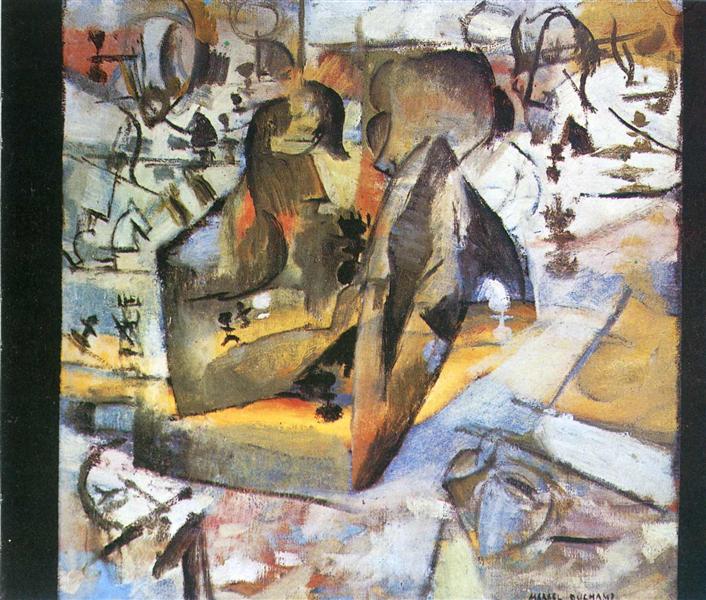
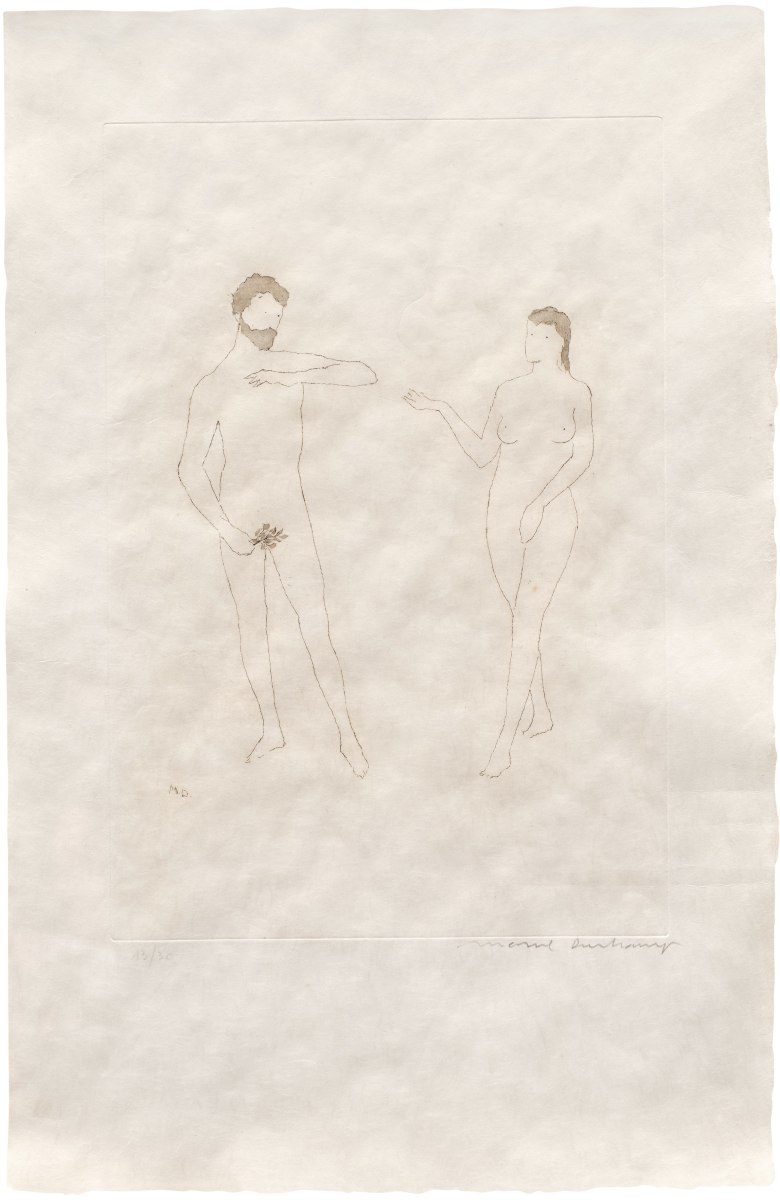
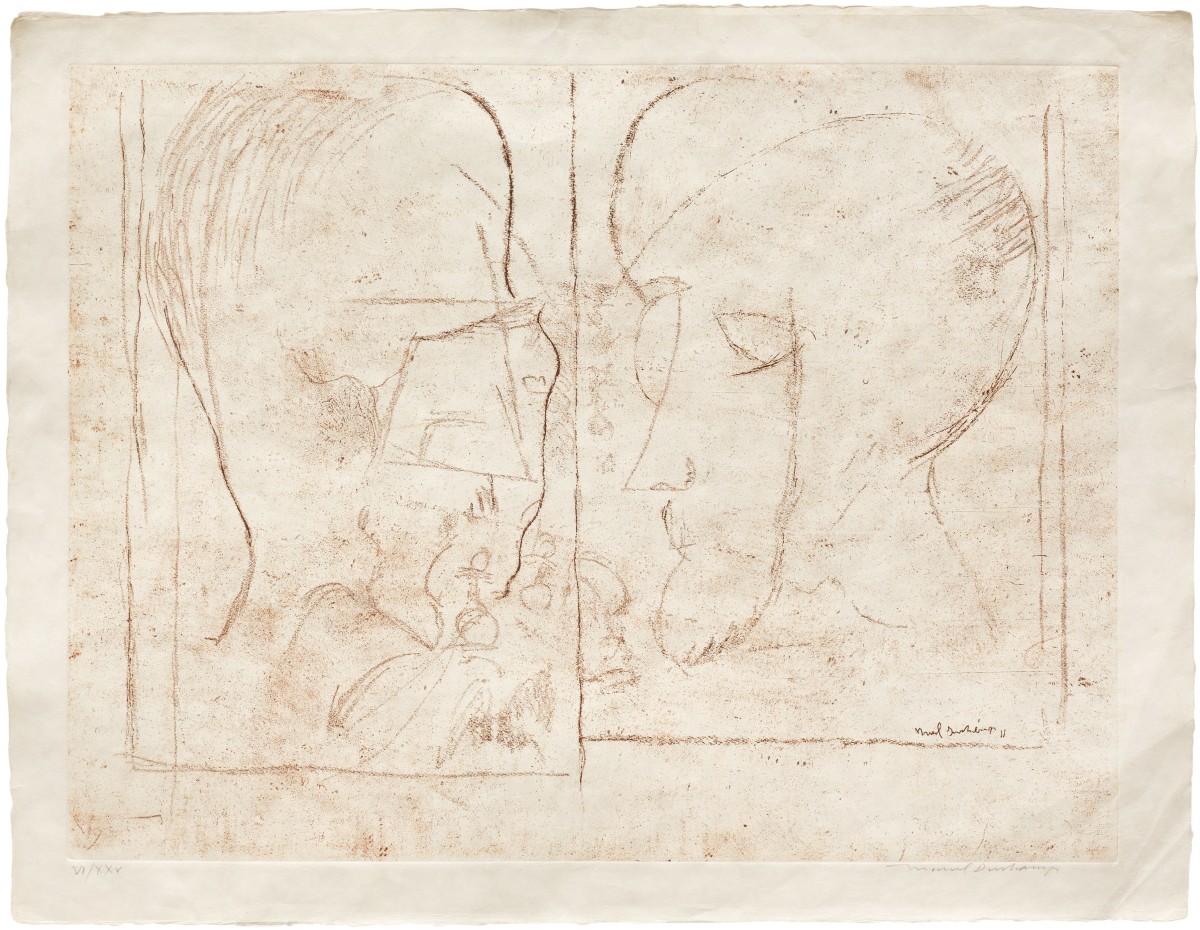
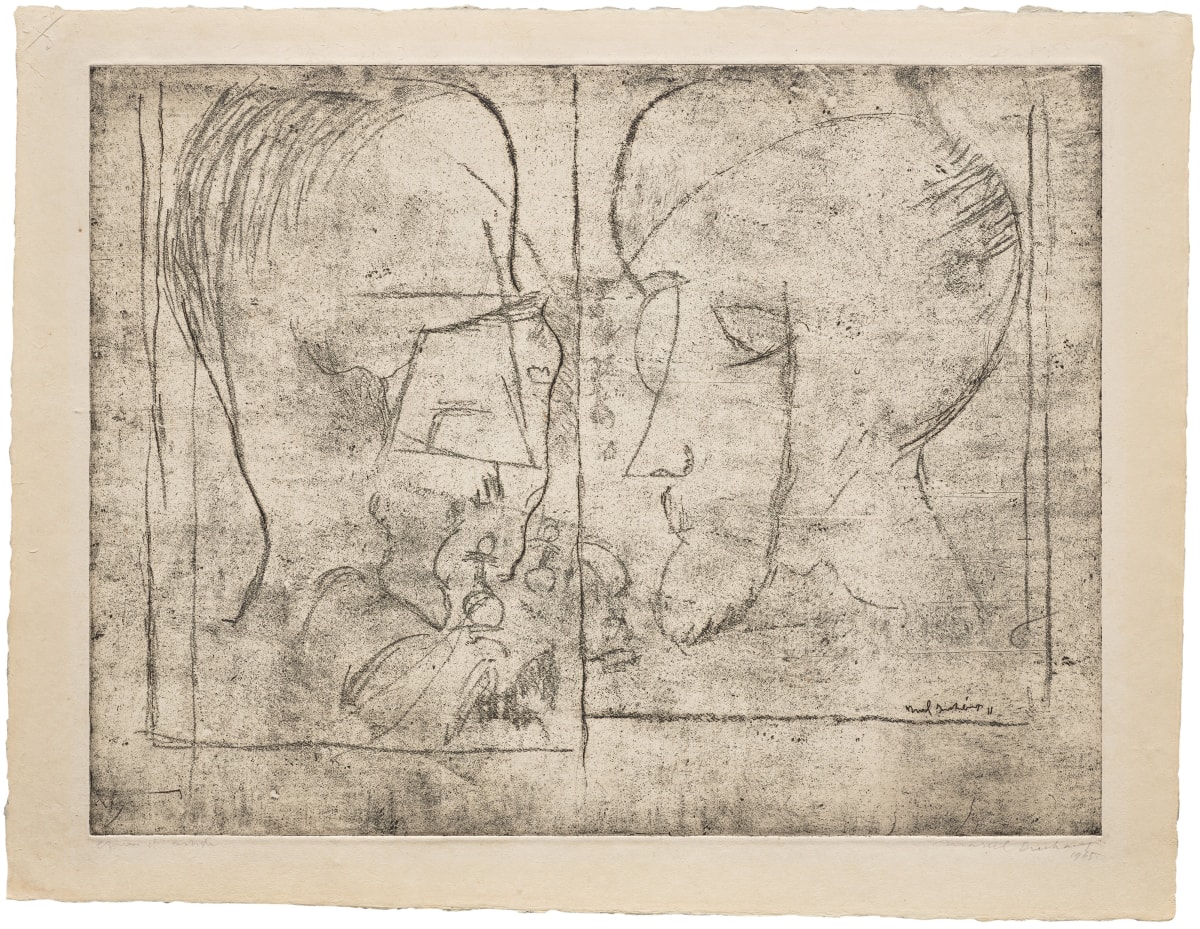
The Chess Players, 1911 (S. 640), etching
- Result
- $33,540 (above estimate)
- Venue and date
- Phillips, April 2026
8 further auction entries on record for Marcel Duchamp — inside Egon.
Pricing
By work type
Boite en valise
Series A/B/C, editions of 20-75; historically high six figures to low seven figures, with premium for deluxe Series A, artist inscriptions and celebrity provenance (Warhol, Villanueva, Lewin).
Ephemera and publications
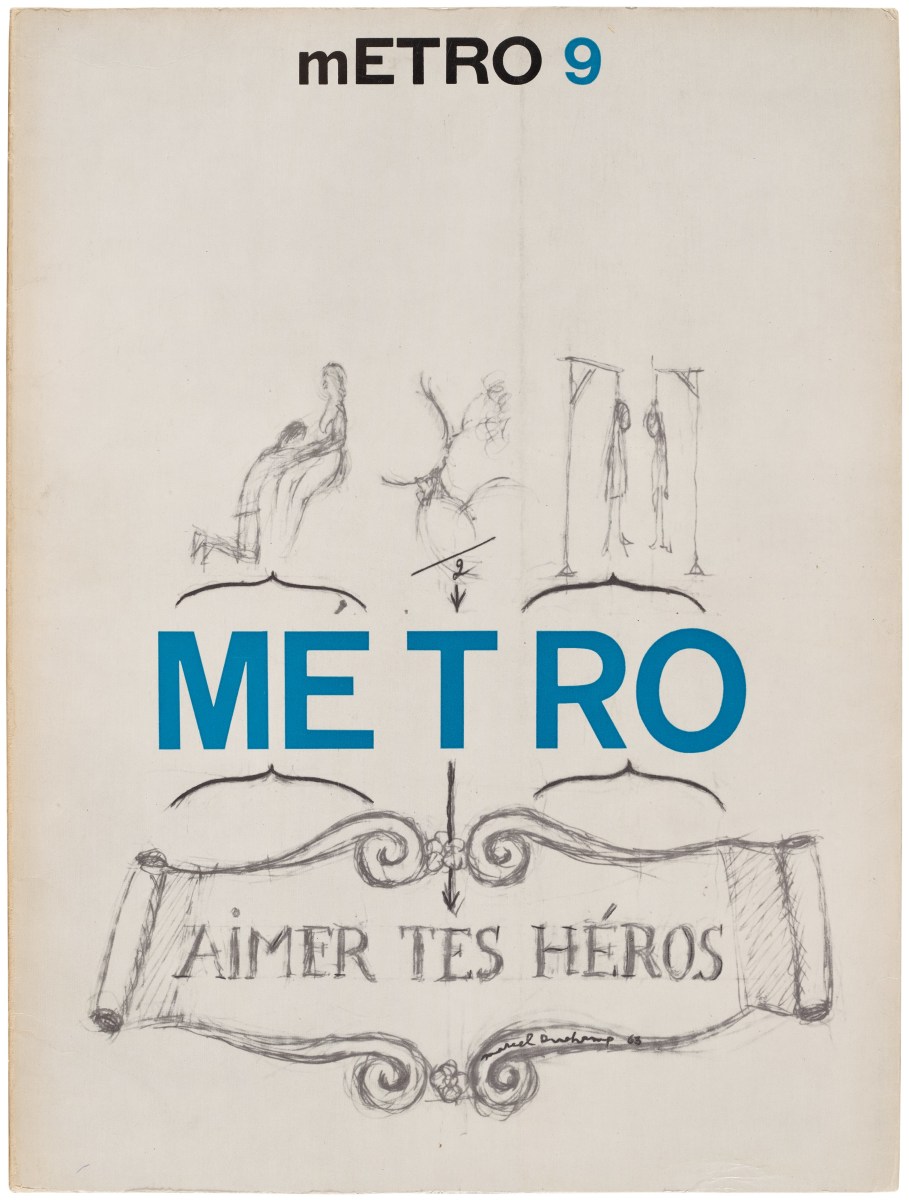
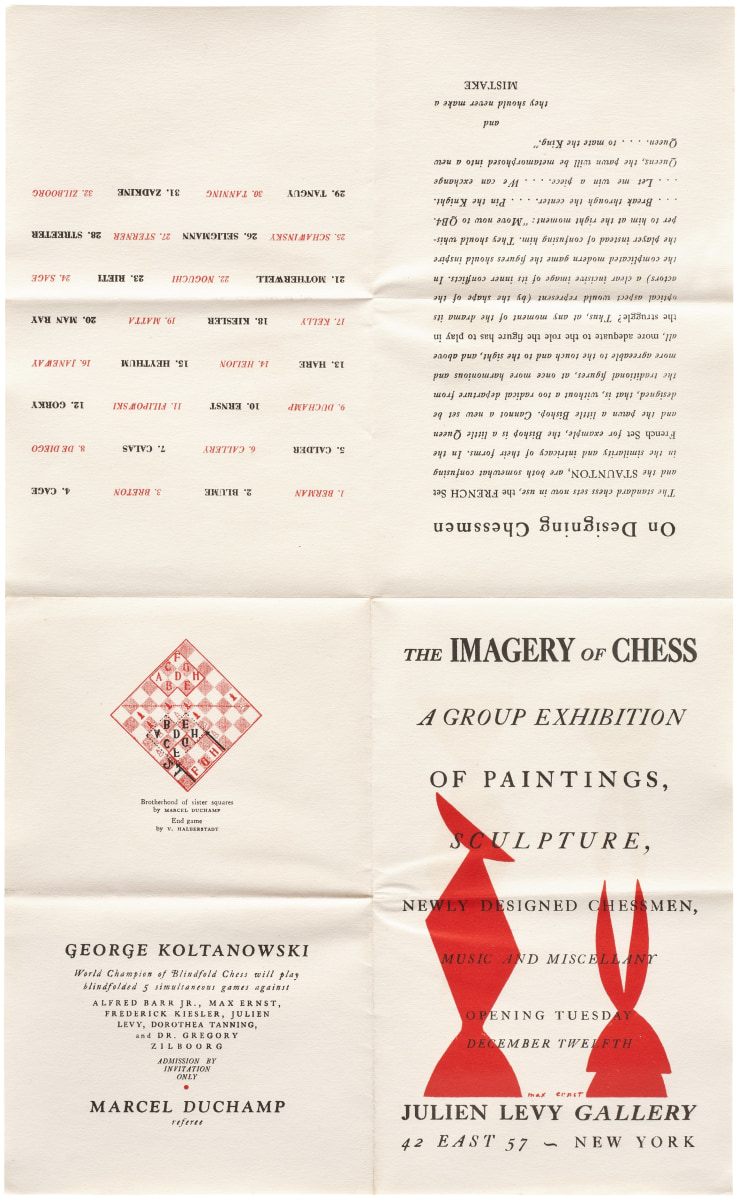
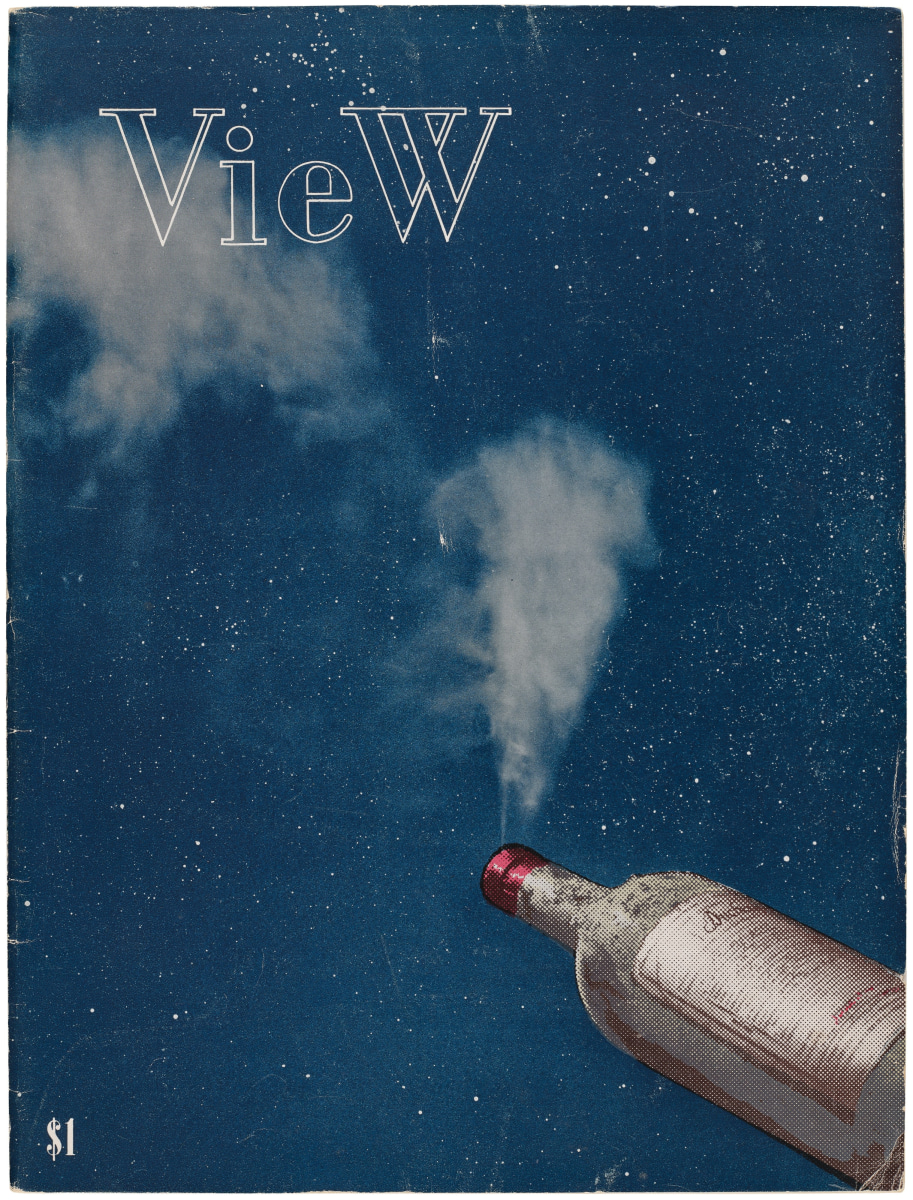
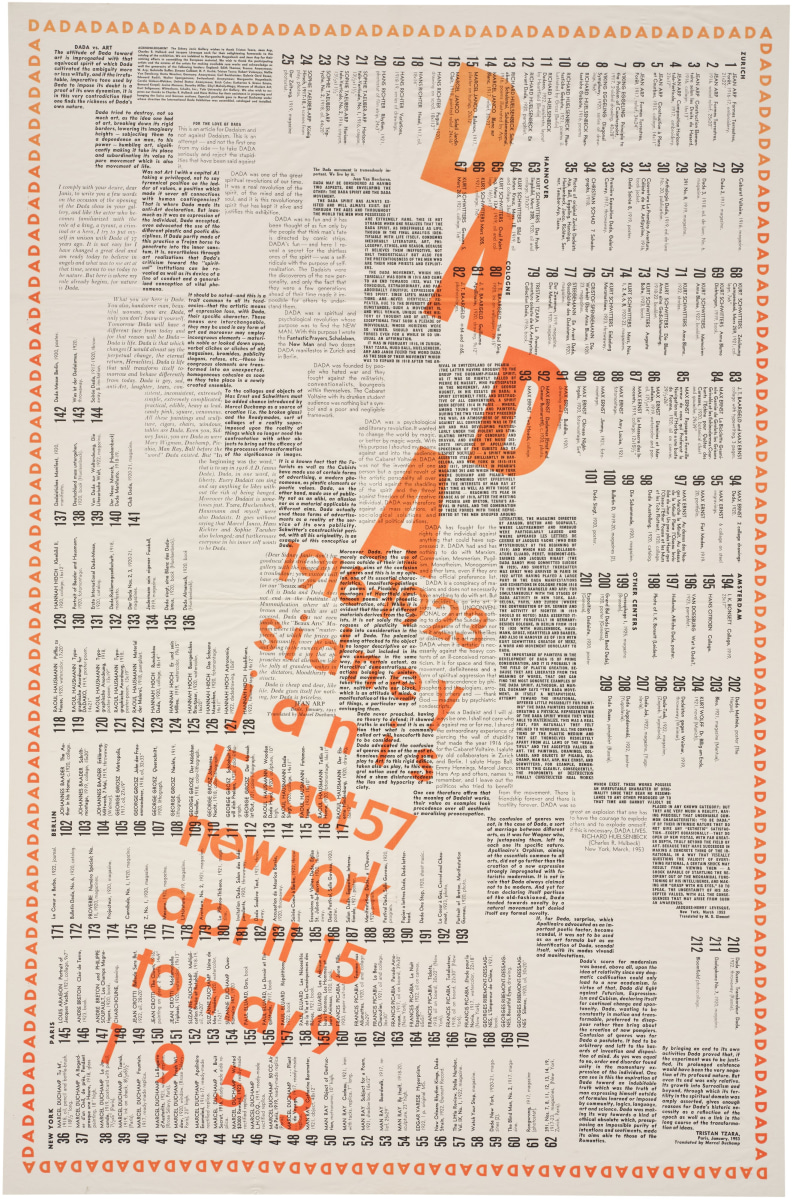
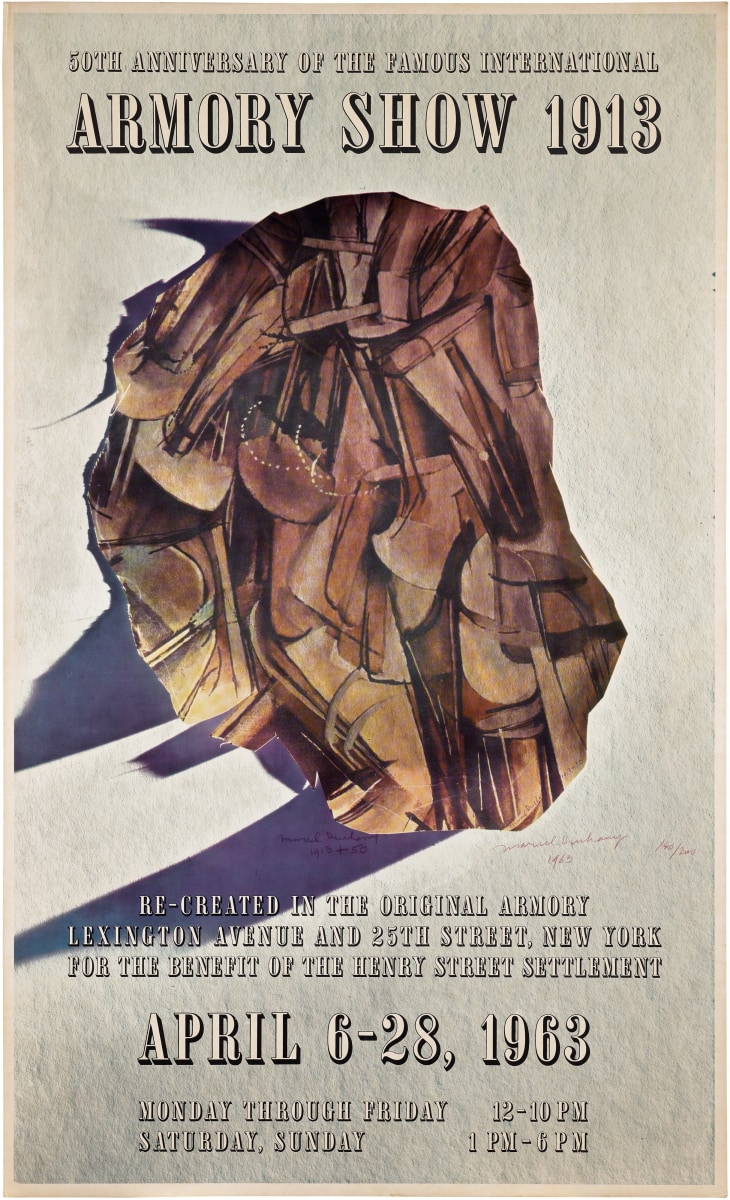
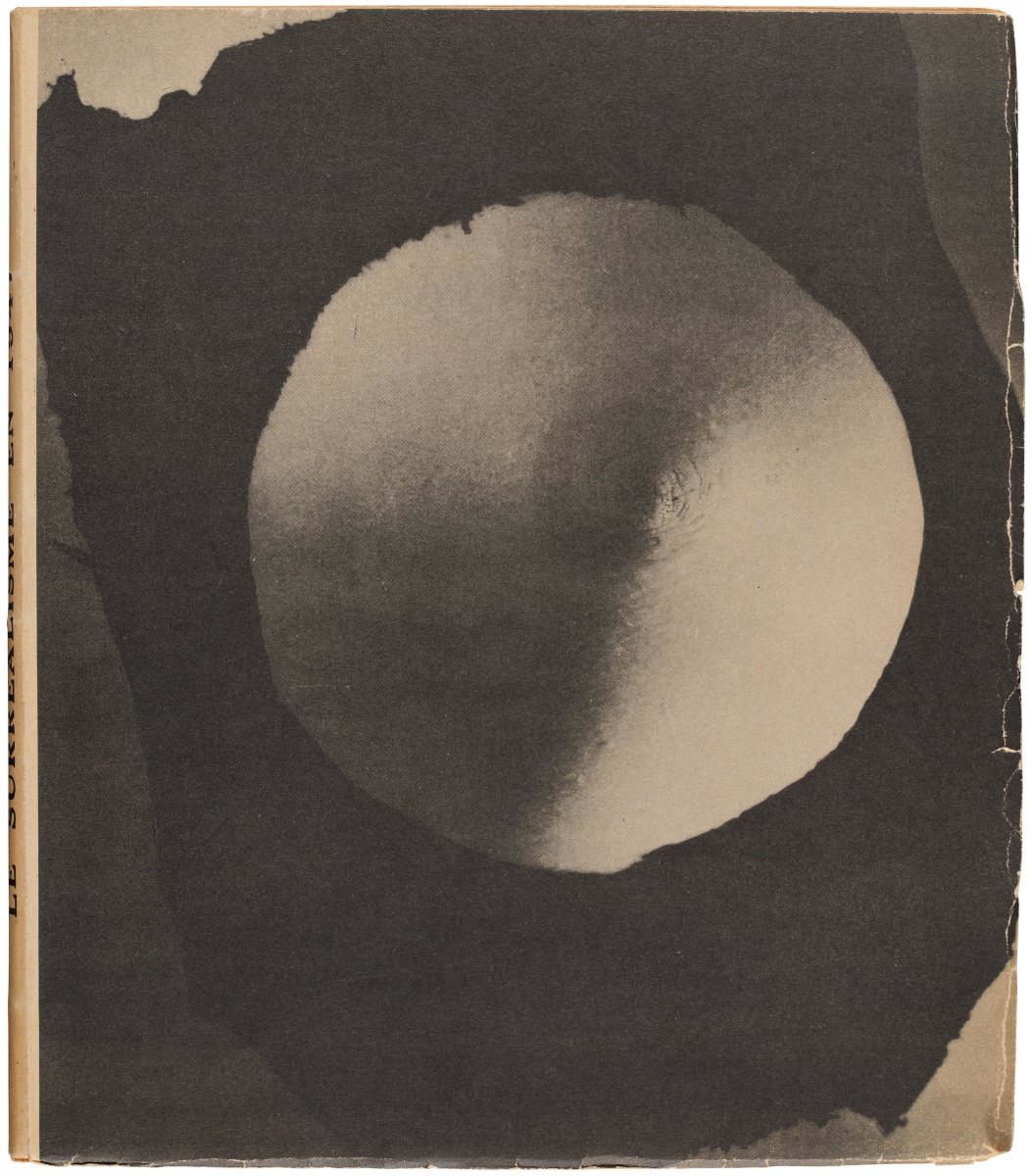
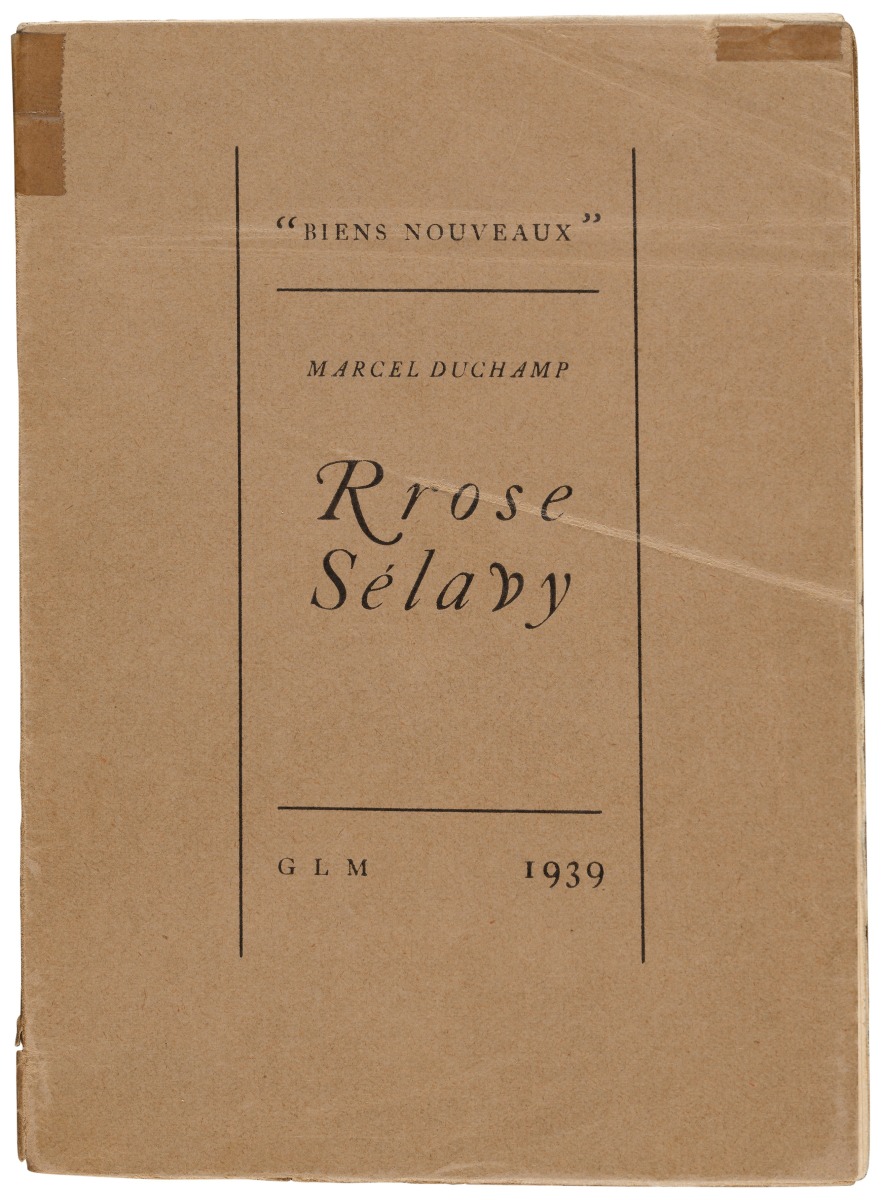
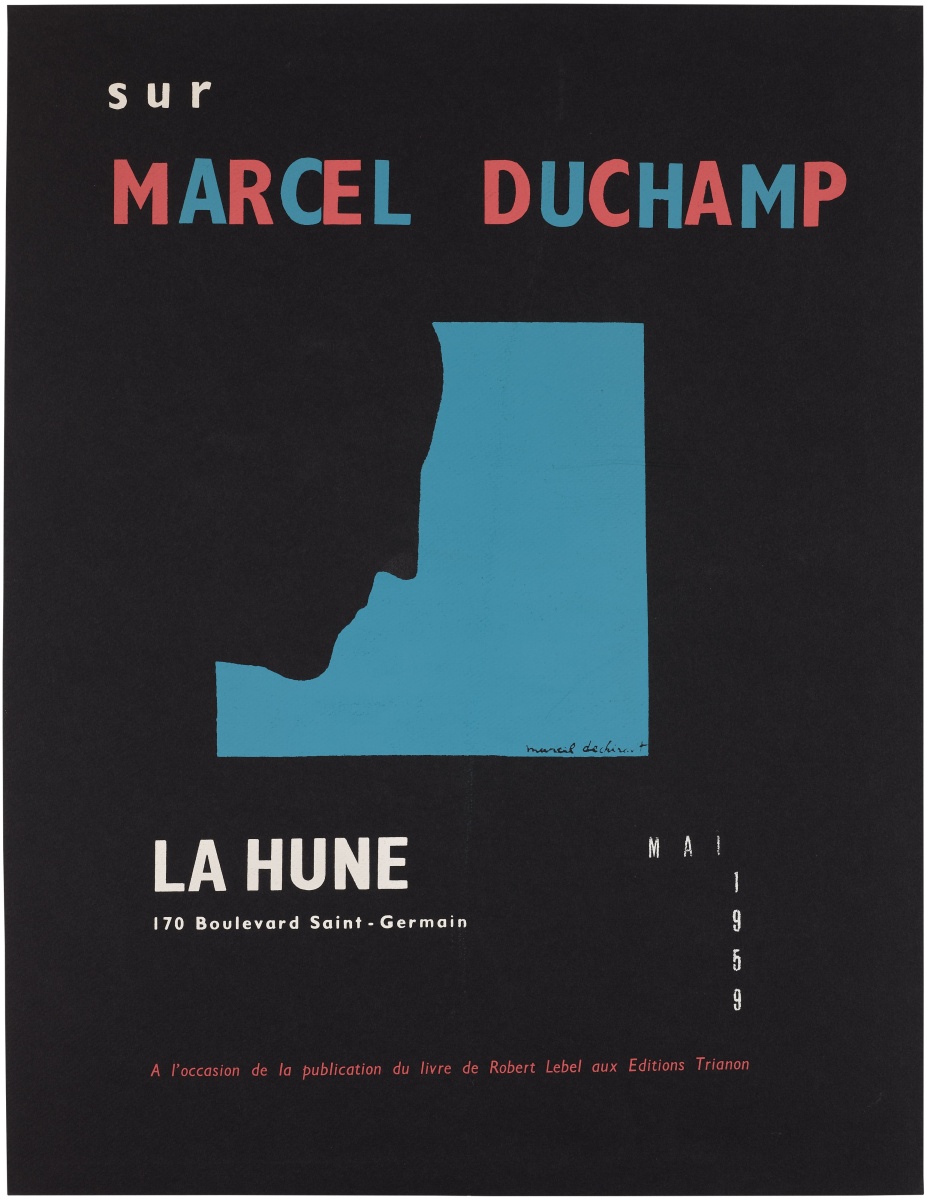
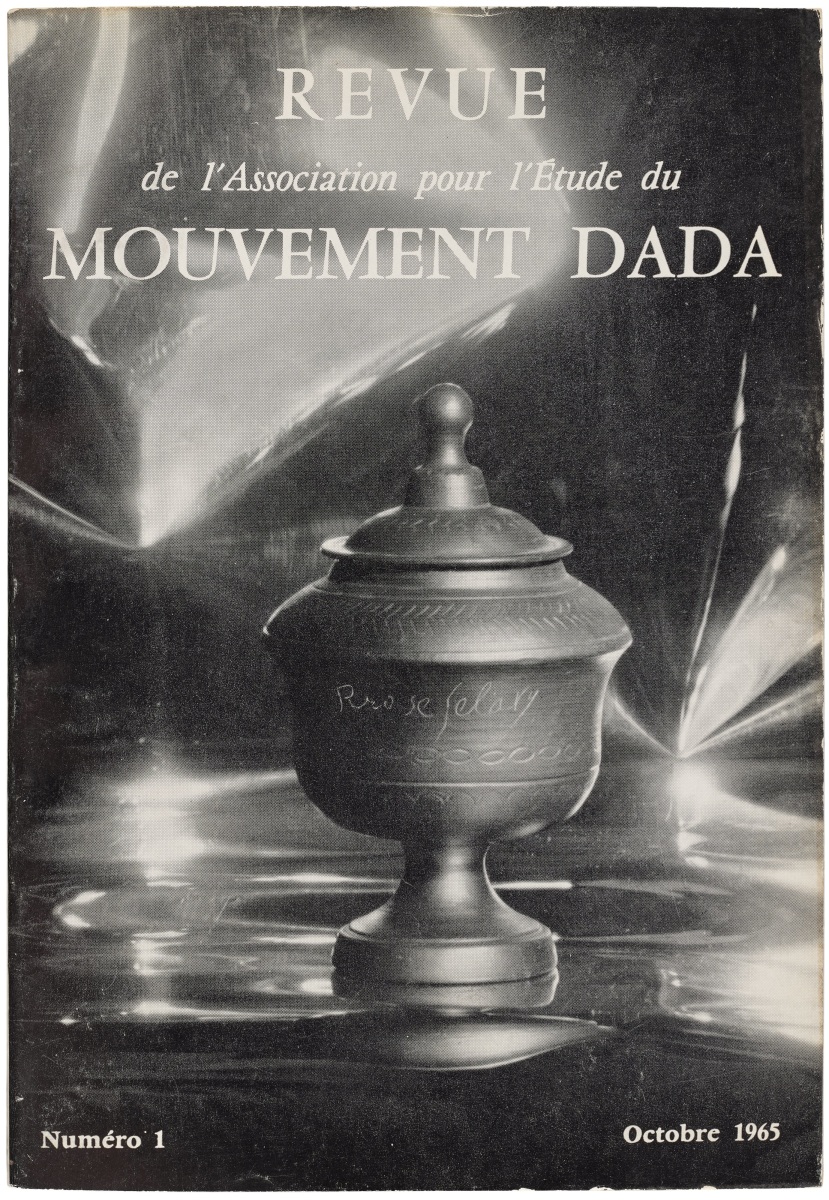
View magazine Duchamp number, VVV, posters, brochures: $500-$5,000 at auction; $2,500-$5,000 retail (e.g. a 1968 Galerie Givaudan poster offered at $4,500 on 1stDibs).
Prints etchings multiples
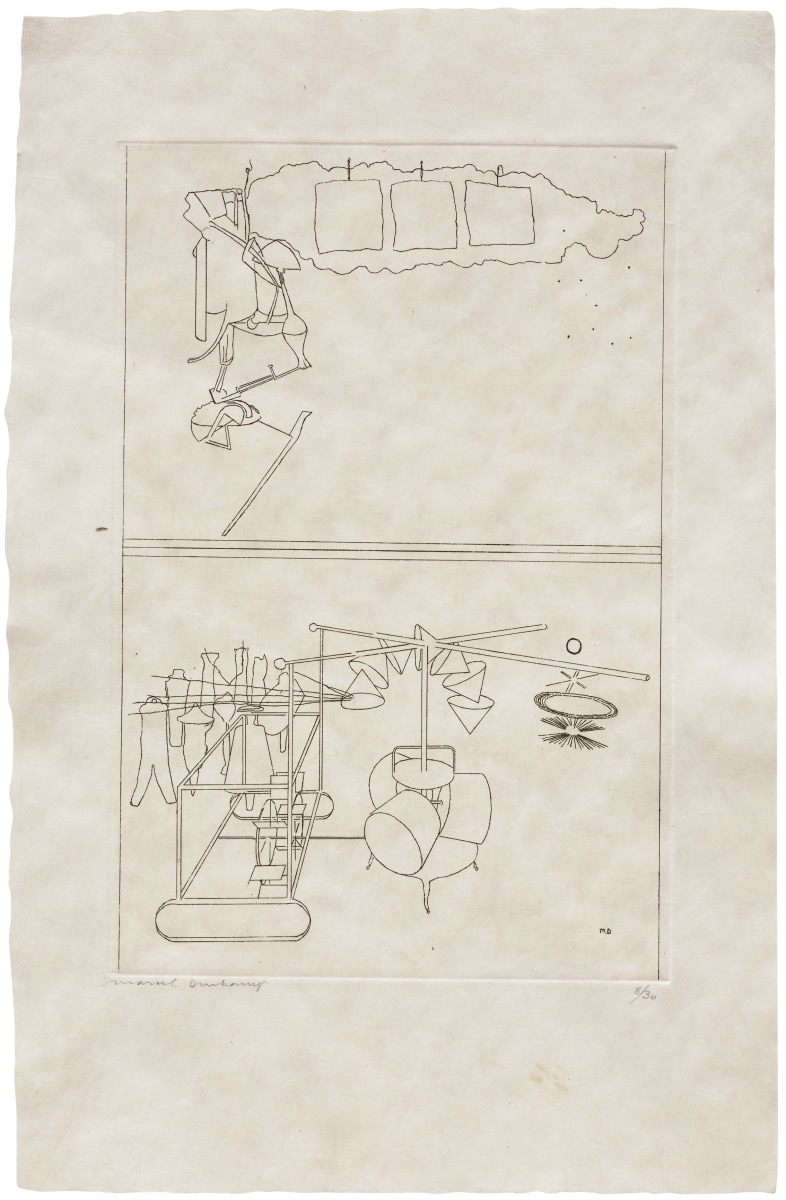
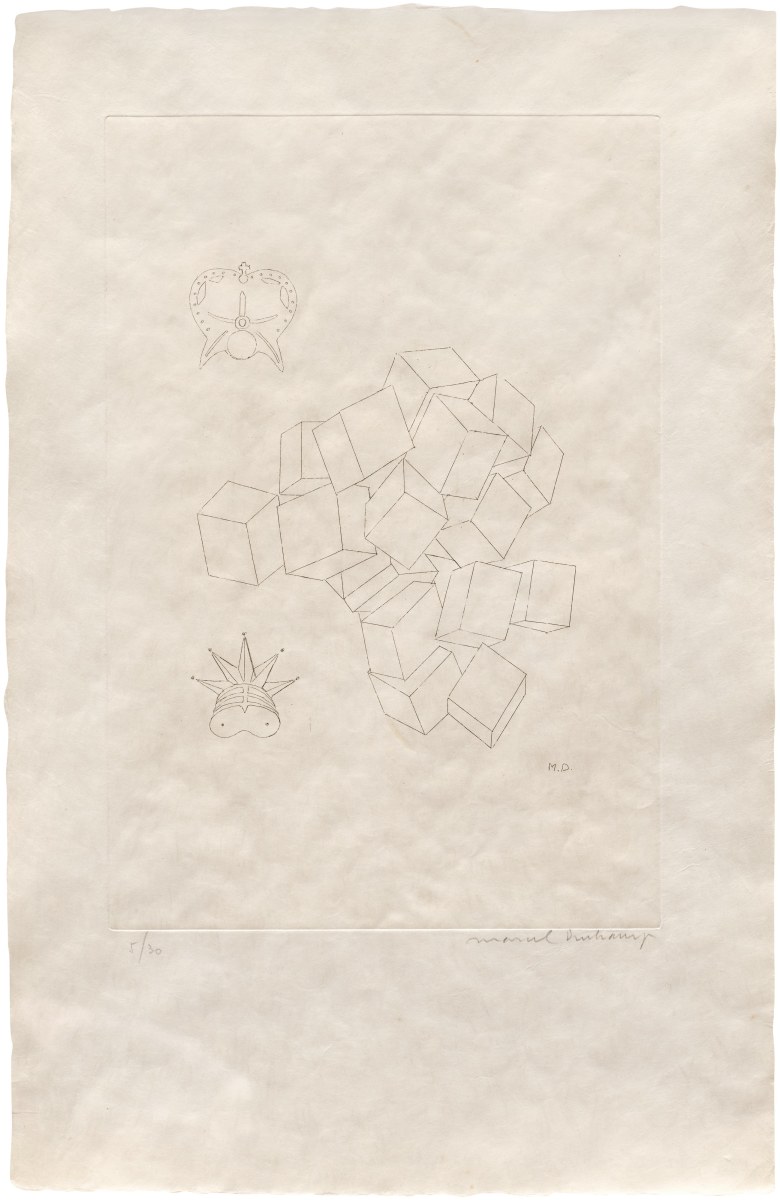
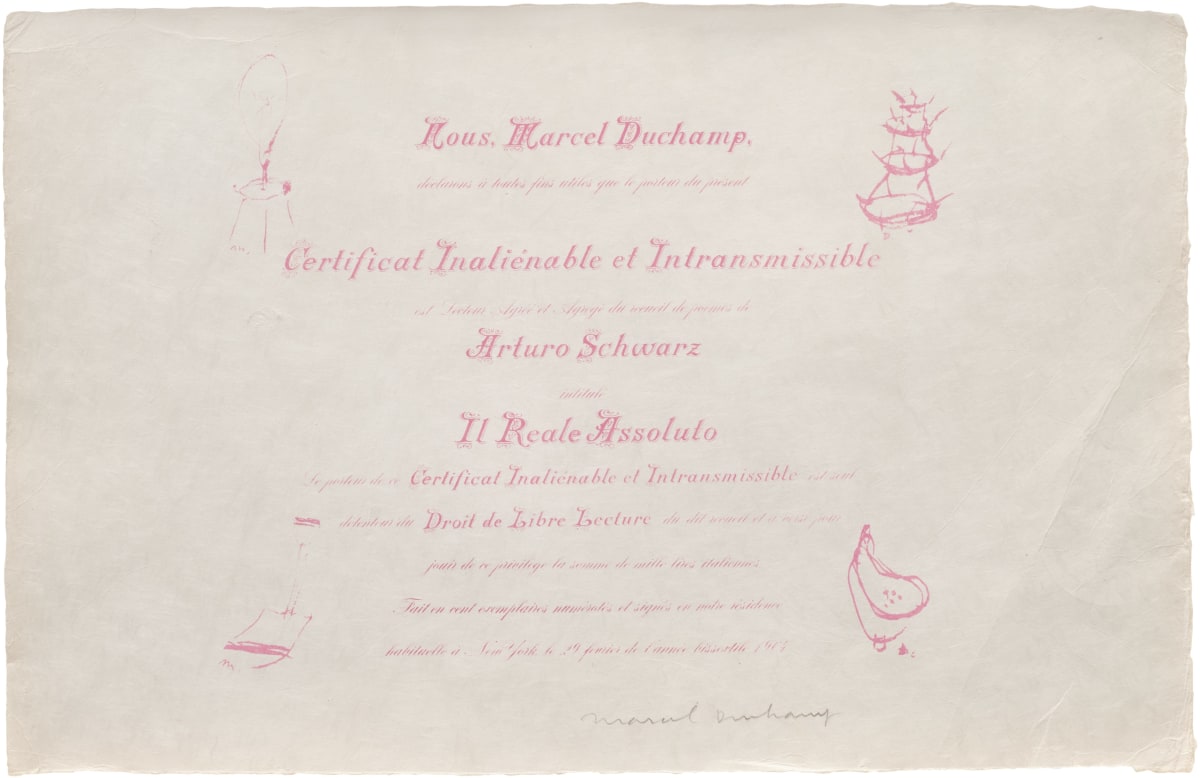
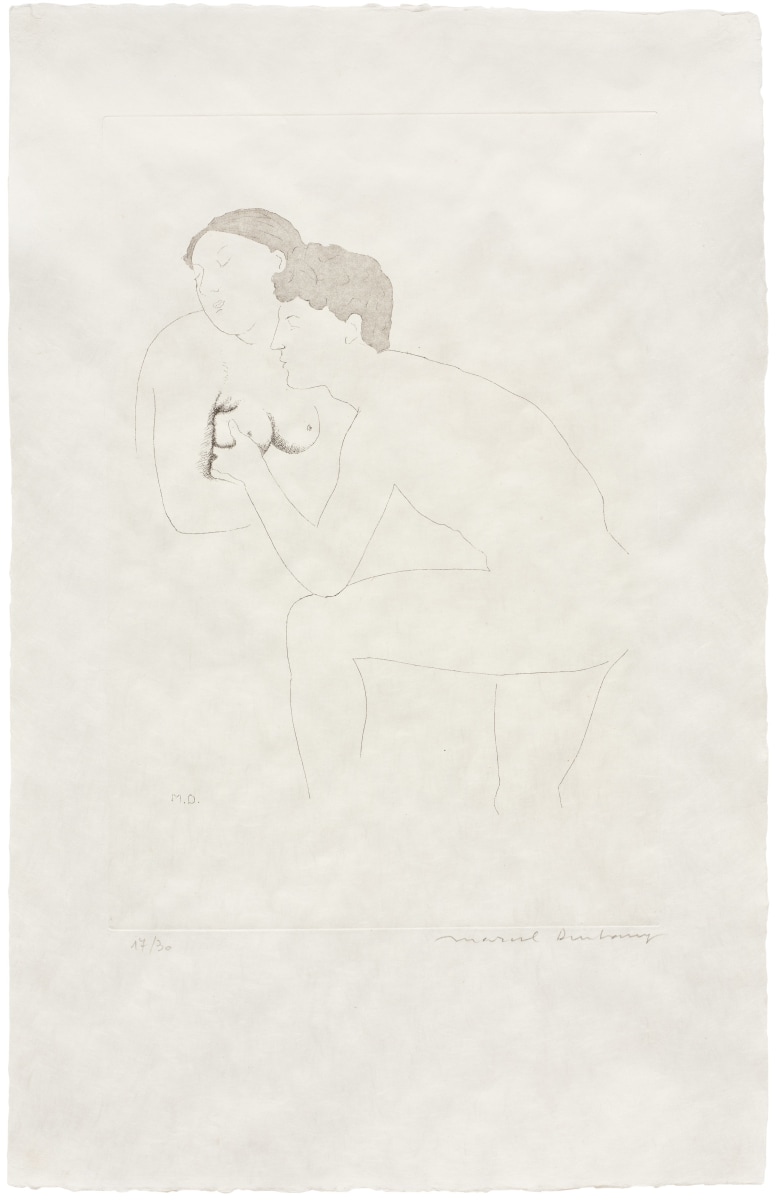
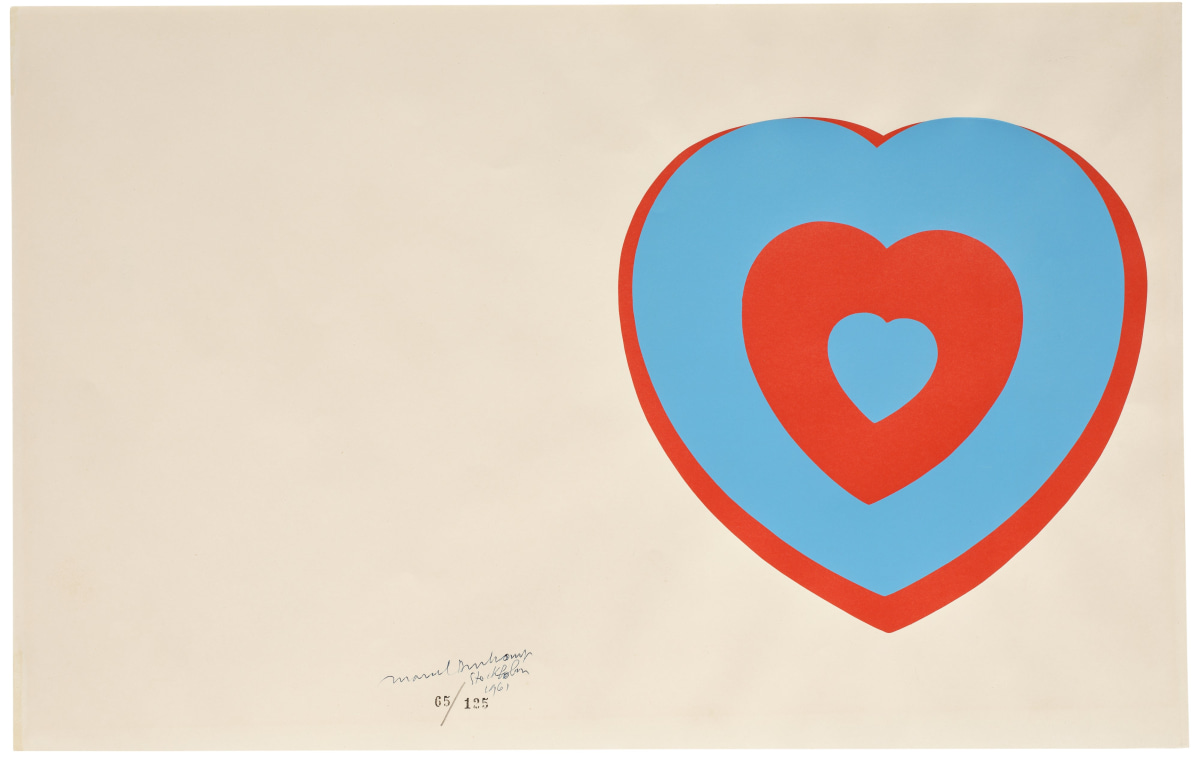
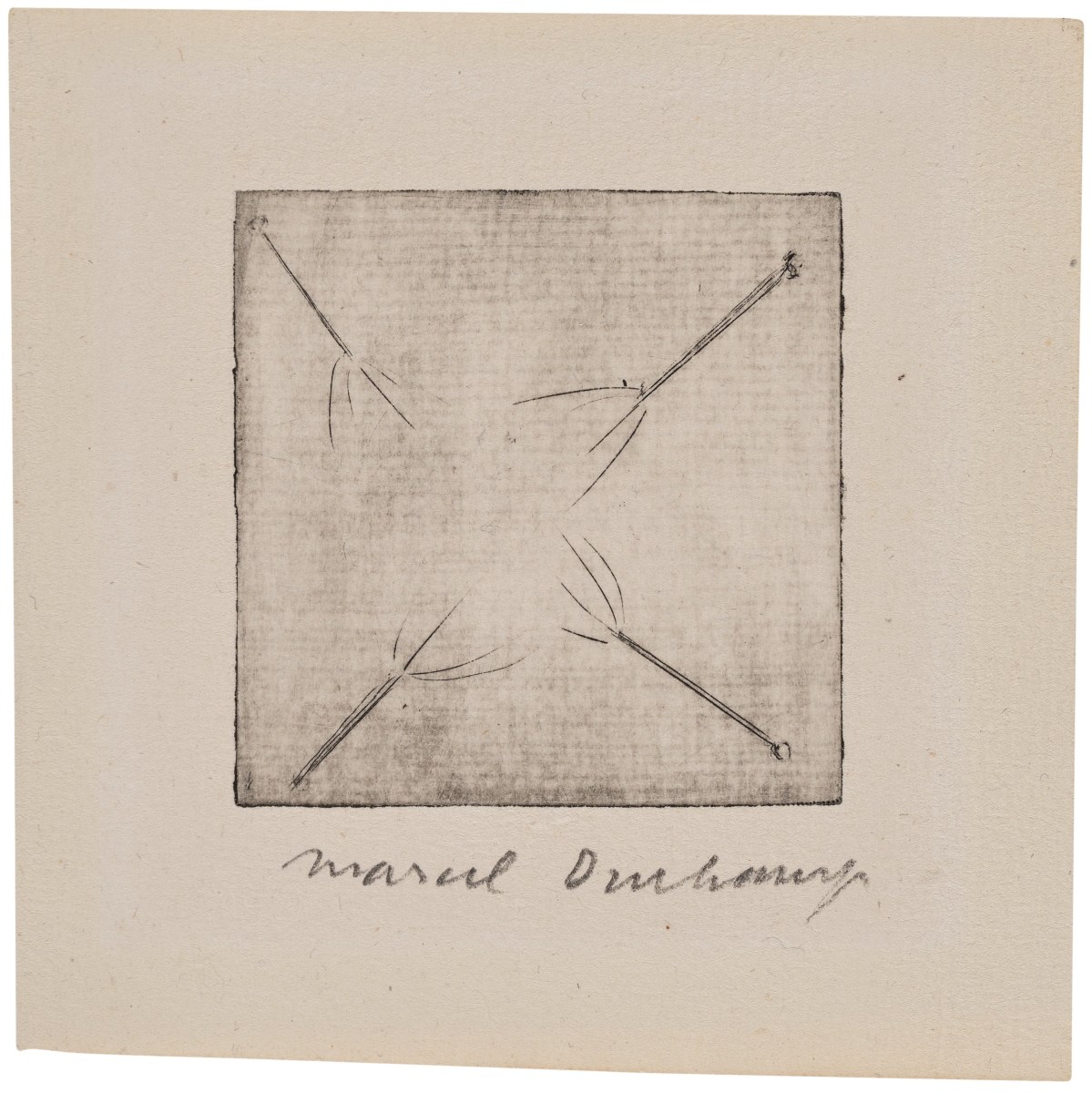
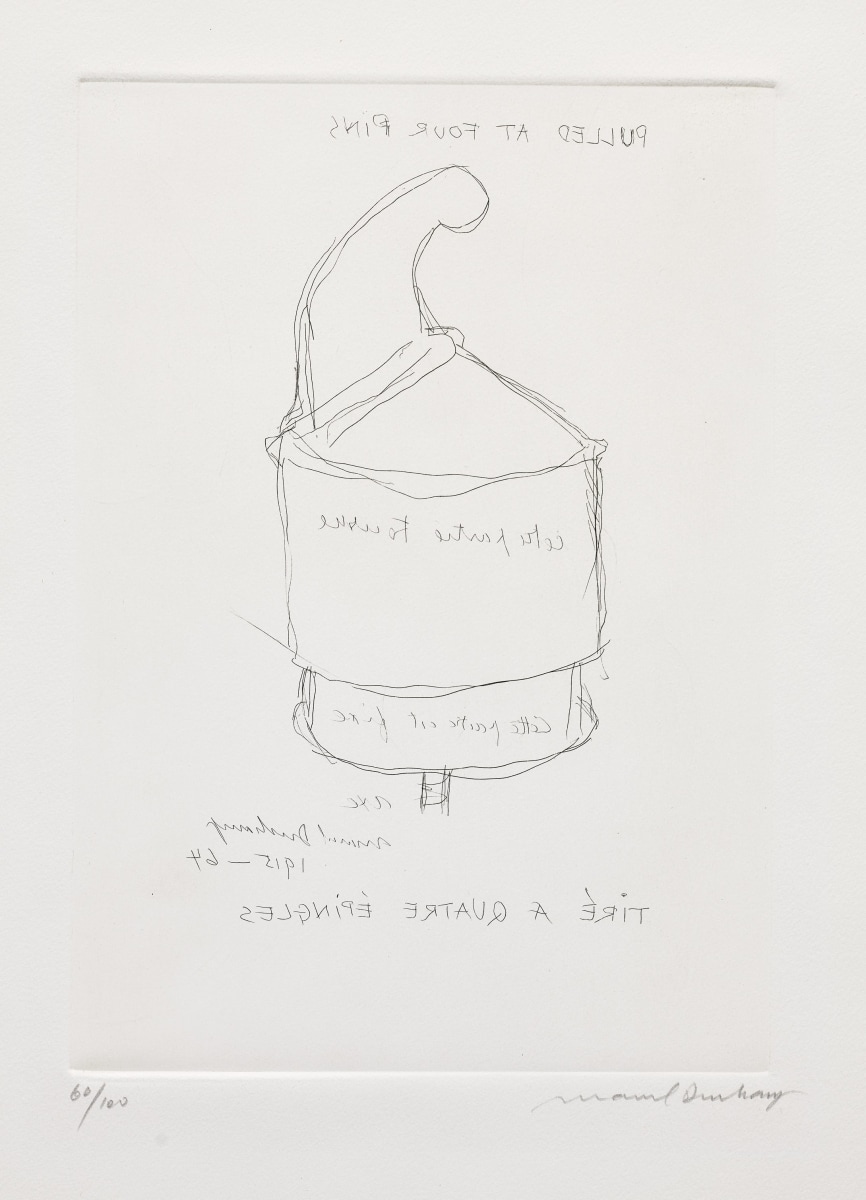
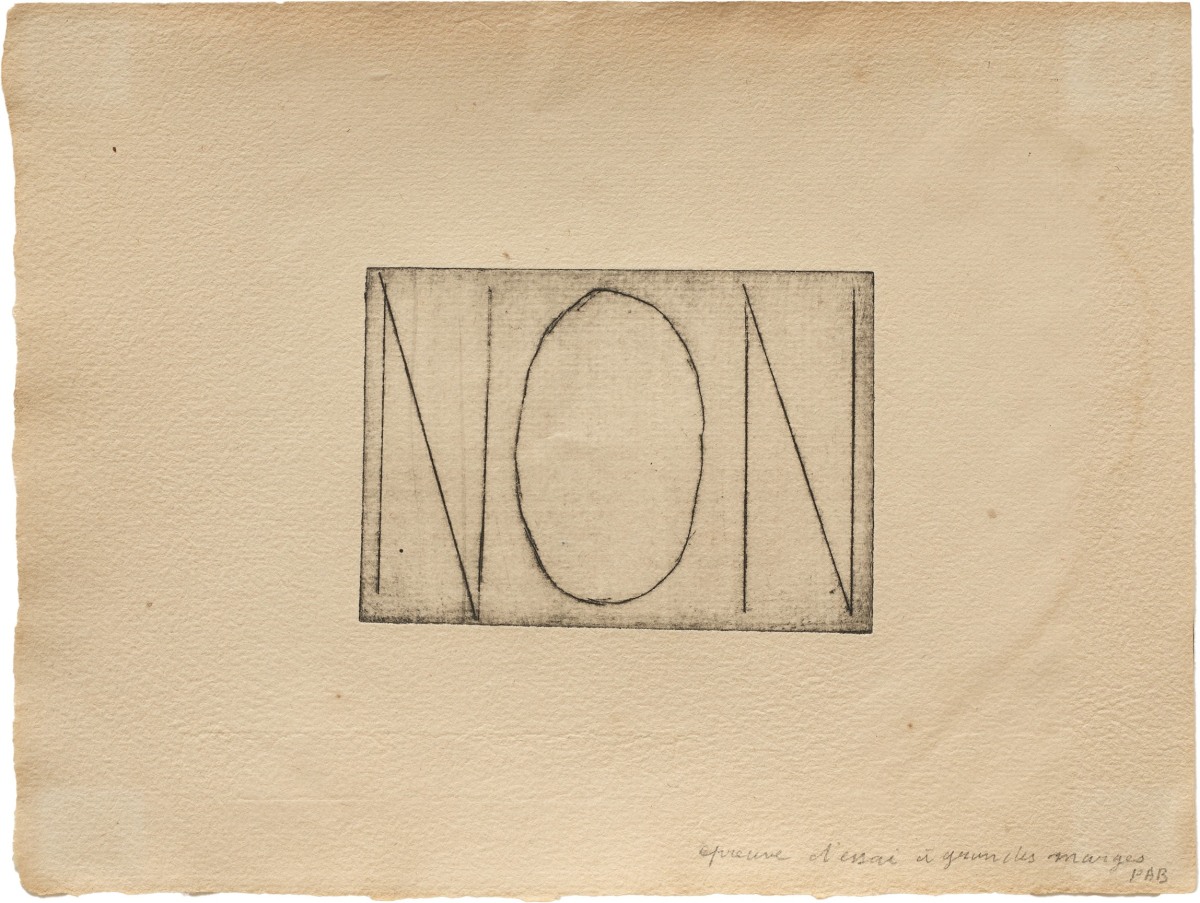
The liquidity engine: The Large Glass and Related Works suite, The Chess Players, Pulled at Four Pins, Rotoreliefs, Schwarz-catalogued multiples — roughly $1,000-$60,000, strong etchings $20,000-$40,000 (The Chess Players $33,540, Phillips April 2026).
Schwarz 1964 readymade editions
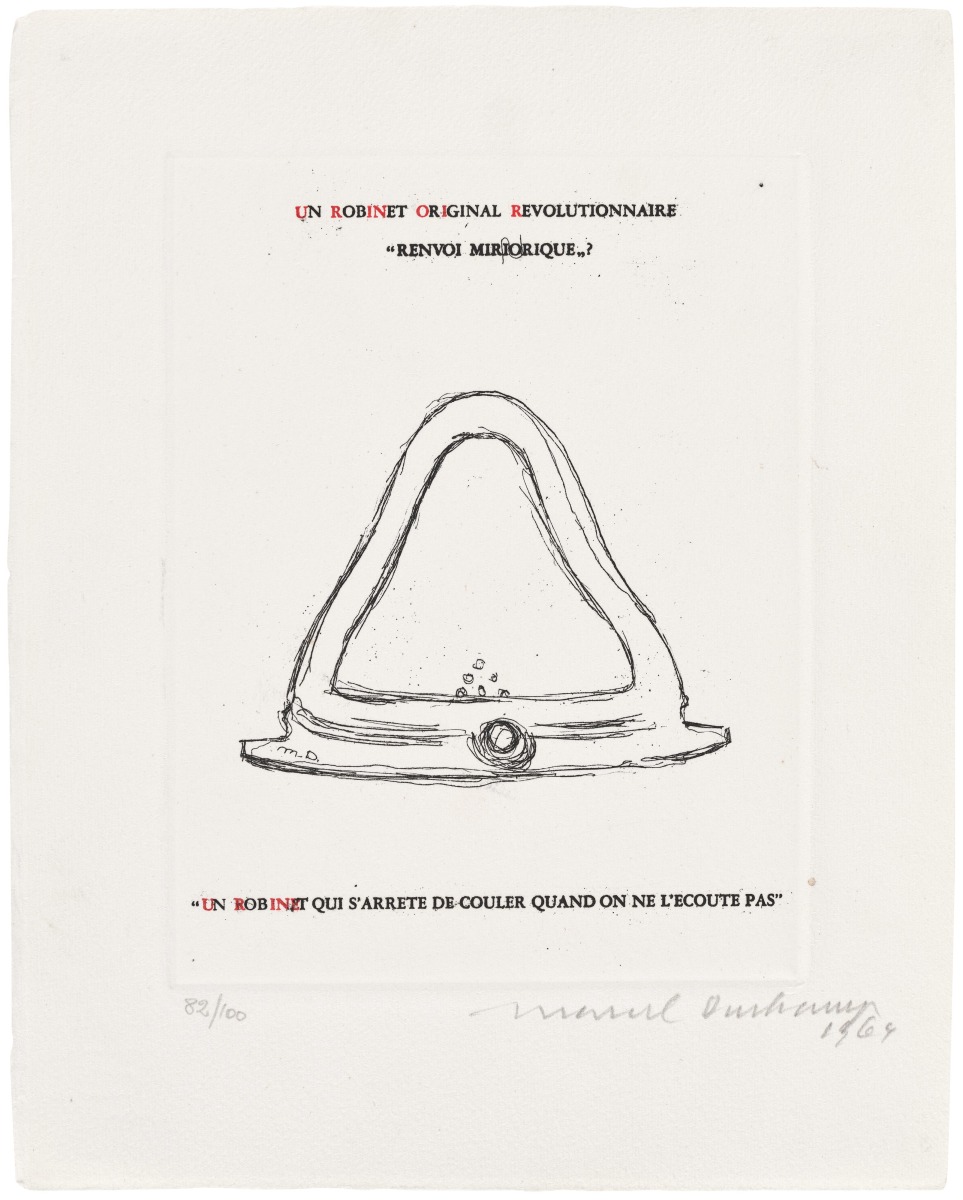
The tradable top: 13 readymades in editions of 8 plus proofs. Recent evidence $2.881m (In Advance of the Broken Arm, May 2026); Fountain examples historically the most sought.
Unique historic objects and paintings
Effectively unavailable — canonical paintings and unique objects are in permanent public collections (Philadelphia, MoMA, Centre Pompidou, Yale, Israel Museum). When a unique object appears (Belle Haleine, Monte Carlo Bond) it prices at $1m-$11m+.
Temporal context
- 1999
- Fountain (Schwarz edition) $1.6m — the readymade benchmark of the late 1990s.
- 2009
- Belle Haleine $11.36m (Christie's Paris, YSL/Bergé) — outlier driven by unique-object status plus provenance; unbroken for 17 years.
2015-2023
Top-end trade dominated by Boîte-en-valise examples (mid six figures to low seven figures depending on series, contents, inscription, provenance) and occasional Schwarz readymades; prints/multiples largely $2,000-$60,000.
2024-2026
Egon database average hammer $408,753 across 48 lots, range $967-$2,881,000. Two seven-figure results in May 2026. MutualArt records prints & graphic art averaging ~$35,857 over the trailing twelve months.
Primary market note
No living-artist primary market. Gallery access is via secondary-market dealers; Gagosian's April-June 2026 readymades exhibition at 980 Madison Avenue was a loan/consignment survey with prices not published — contact Gagosian for availability. Francis M. Naumann Fine Art (New York) and Ronny Van de Velde (Antwerp) are the historic specialist dealers in Duchamp editions.
Liquidity
- Sell through
- 84% (40 of 48) in the 2025-2026 window — healthy for a market dominated by paper multiples.
Annual volume
Roughly 30-40 lots per year across the four major houses (48 lots in Egon's 2025-to-date window); ~843 lifetime results on Artsy, ~1,330 on MutualArt.
Depth assessment
Bifurcated: deep and continuous at the low end (prints, ephemera, multiples), extremely thin and event-driven at the top (unique objects and readymade editions surface once every few years). An owner of a $30k etching can transact any season; an owner of a $3m readymade depends on one evening sale per cycle.
Comparables
Peers
Man Ray (deeper, more liquid; record ~$12.4m, Christie's 2022), Francis Picabia, Kurt Schwitters, Constantin Brancusi (vastly higher — Danaïde among the $40m+ lots at Christie's May 2026), Joseph Cornell, Yves Klein.
Relative position
Art-historical importance at the absolute top of the 20th century; auction economics an order of magnitude below Picasso, Brancusi or Pollock — because almost no unique work can ever come to market and the tradable objects are, by design, editions of manufactured things. This is the defining structural fact of the Duchamp market: canonical influence, constrained supply, modest headline prices.
Macro context
Christie's May 2026 two-session cycle totalled $1.1bn, the S.I. Newhouse collection alone $630.8m — an exceptionally strong top-end environment into which the $2.881m and $1.143m Duchamp results sold. Broader signals (design repricing; the Modigliani catalogue raisonné) show a market rewarding scholarly authentication infrastructure, which favours Duchamp given the Schwarz catalogue raisonné and the Association Marcel Duchamp.
Collector base
Composition
Museums and museum-bound foundations; a small circle of intellectually-motivated Dada/Surrealism and conceptual-art collectors; a much broader base of print collectors and institutional libraries. Trophy-buyer participation is episodic and provenance-driven.
Historic patrons
Walter and Louise Arensberg (the single most important Duchamp collection, bequeathed to Philadelphia in 1950 — Duchamp himself advised them and guided the decision); Katherine S. Dreier (bequeathed The Large Glass to Philadelphia, 1952); the Cassandra Foundation (vehicle for Étant donnés); Arturo Schwarz (Milan dealer/scholar/editioner, whose collection went substantially to the Israel Museum — explaining the 38 Wikidata-recorded works there); Bernard J. Reis; Mr. and Mrs. Albert Lewin.
Notable provenance in the market
Andy Warhol (Boîte-en-valise Series A, Sotheby's 1988 and again 2023); Yves Saint Laurent and Pierre Bergé (Belle Haleine, 2009); architect Carlos Raúl Villanueva (Boîte-en-valise, Sotheby's Feb 2025).
Auction history
Record
Belle Haleine — Eau de Voilette (1921) sold for $11,360,067 (€8.91m) at Christie's Paris, 23 February 2009, from the Yves Saint Laurent/Pierre Bergé collection sale. Still the artist's auction record as of August 2026.
Prior record
Fountain (conceived 1917, fabricated 1964 Schwarz edition) sold for $1.6m at Sotheby's on 17 November 1999; the 2009 result exceeded it by roughly $9.76m (~600%).
Lifetime range
Aggregators record realised prices from single-digit dollars (ephemera, unsigned reproductions) to $11.36m; MutualArt lists ~1,330 works offered at auction, Artsy ~843 auction results, and one aggregator records 416 Duchamp lots at Christie's alone.
Bought in and unsold
Egon's 2025+ database records 48 lots, 40 sold — 8 unsold/bought-in, 84% sell-through across 50 settled lots (100% of catalogued lots ≥90 days old have settled). Buy-ins cluster in low-value prints/ephemera and over-estimated multiples; Monte Carlo Bond selling below estimate in May 2026 is the clearest recent evidence of estimate stretch at the top end.
Market position
Blue-chip historical name with an idiosyncratic, supply-constrained market. Price formation depends on (i) unique vs 1964 Schwarz edition status, (ii) Association Marcel Duchamp / family authentication, (iii) provenance narrative. The May 2026 sales establish a ~$1-3m band for top readymade editions and rectified readymades in the current cycle.
Investment outlook
Positive but not explosive. The MoMA retrospective (12 Apr-22 Aug 2026), its Philadelphia Museum of Art leg (10 Oct 2026-31 Jan 2027) and a Centre Pompidou-organised version at the Grand Palais in spring 2027, plus Gagosian's readymades survey, constitute an unusually concentrated validation event — historically these lift the print/multiple segment and encourage consignment of major objects. Expect elevated supply in late 2026 and 2027 evening sales. Risks: the 2009 record has stood 17 years (a ceiling problem rather than a demand problem); the readymade market is structurally exposed to originality/replica debate and to edition-verification and condition issues.
Institutional presence
Research updated
Exhibitions
Historic landmarks
- 1913 Armory Show, New York — Nude Descending a Staircase, No. 2 scandal.
- 1917 Society of Independent Artists, New York — Fountain submitted as 'R. Mutt' and rejected.
- 1938 Exposition Internationale du Surréalisme, Paris; 1942 'First Papers of Surrealism', New York (string installation).
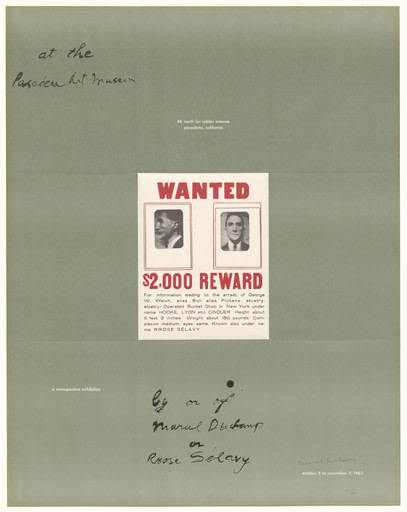
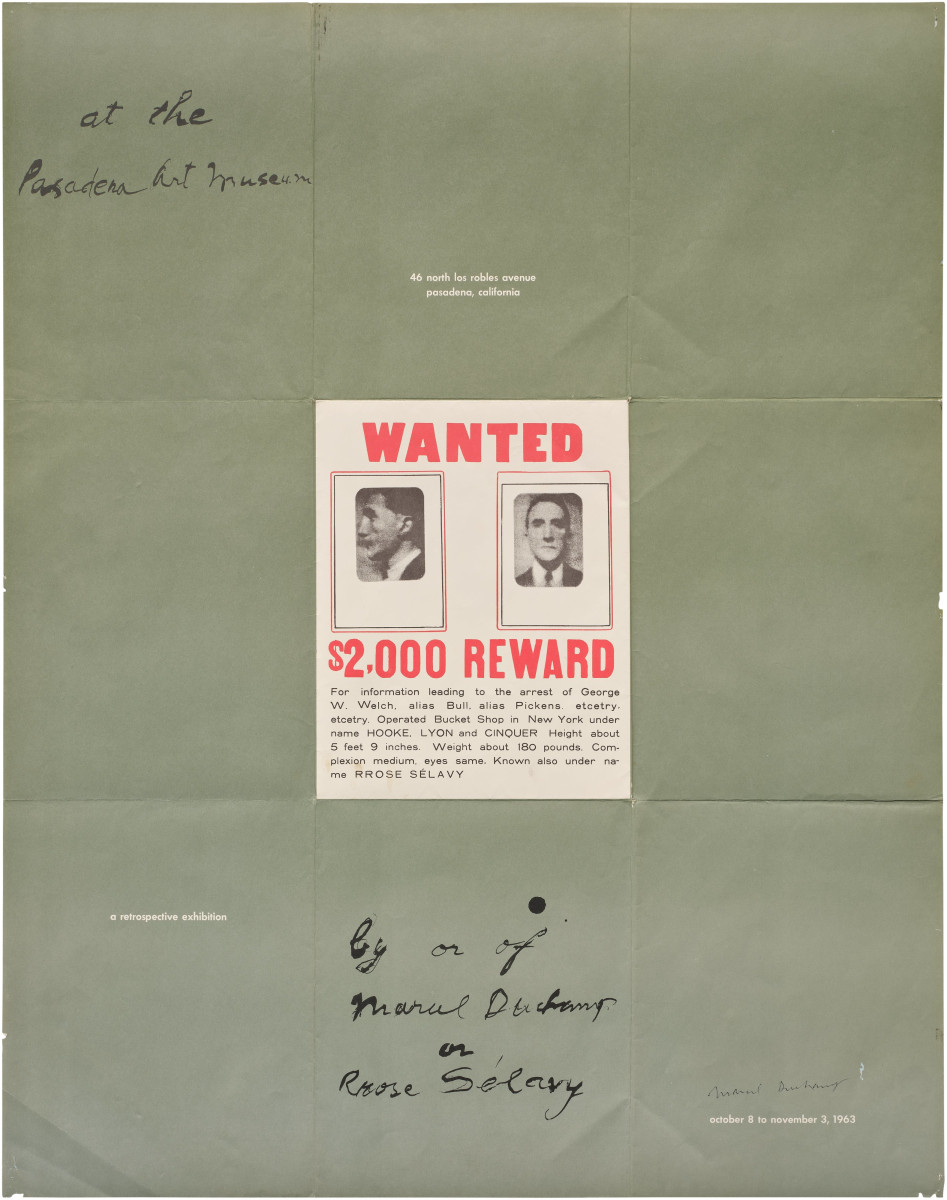
- 1963 'Marcel Duchamp: A Retrospective Exhibition', Pasadena Art Museum, 10 Oct - 3 Nov 1963 — the first retrospective (Walter Hopps).
- 1973 'Marcel Duchamp' retrospective, MoMA / Philadelphia Museum of Art — the last US retrospective before 2026.
- 1998-99 'Joseph Cornell/Marcel Duchamp… in resonance', Philadelphia Museum of Art and The Menil Collection, Houston.
- 2018-19 'The Essential Duchamp', touring Japan, Korea and Australia from the Philadelphia Museum of Art.
Current and upcoming
- 'Marcel Duchamp', Museum of Modern Art, New York, 12 April - 22 August 2026 — c. 300 works; the first retrospective of the artist's work in the United States since 1973, spanning all mediums 1900-1968. Organised by MoMA and the Philadelphia Museum of Art with the collaboration of the Centre Pompidou; curated by Ann Temkin (Marie-Josée and Henry Kravis Chief Curator of Painting and Sculpture, MoMA), Michelle Kuo (Chief Curator at Large and Publisher, MoMA) and Matthew Affron (Muriel and Philip Berman Curator of Modern Art, PMA), with Alexandra 'Lo' Drexelius and Danielle Cooke.
- Philadelphia Museum of Art, 10 October 2026 - 31 January 2027 — touring venue.
- Grand Palais, Paris, spring 2027 — a version organised by Jeanne Brun, Deputy Director, Centre Pompidou-MNAM (per Artforum).
- Marcel Duchamp readymades survey, Gagosian, 980 Madison Avenue, New York, 25 April - 27 June 2026 — COMMERCIAL exhibition, not a retrospective (see critical_data note on Egon's label).
- Centre Pompidou Málaga — Duchamp work currently on view per MutualArt.
Publications
- Arturo Schwarz, 'The Complete Works of Marcel Duchamp' (catalogue raisonné; rev. eds. incl. 1997) — the standard reference supplying the 'S.' numbers used in every auction catalogue.
- Robert Lebel, 'Marcel Duchamp' (New York, 1959) — first monograph.
- Ecke Bonk, 'Marcel Duchamp, The Box in a Valise' (New York, 1989).
- Calvin Tomkins, 'Duchamp: A Biography'.
- Caroline Cros, 'Marcel Duchamp' (Reaktion).
- Francis M. Naumann, 'The Art of Making Art in the Age of Mechanical Reproduction' (Ghent, 1999).
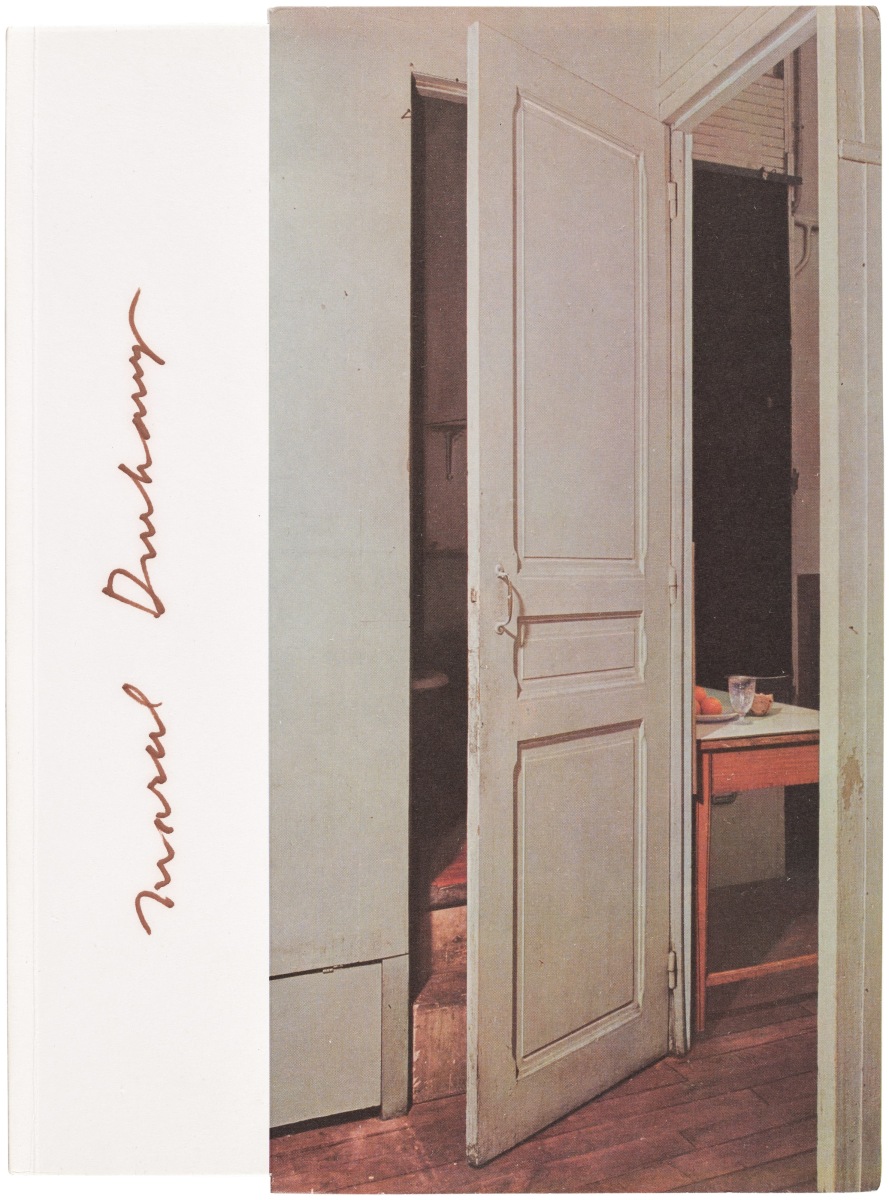
- 'Marcel Duchamp', ed. Matthew Affron, Michelle Kuo and Ann Temkin, MoMA, 2026 — 340pp hardcover exhibition catalogue.
- Duchamp Research Portal (duchamparchives.org) — joint Philadelphia Museum of Art / Centre Pompidou / Association Marcel Duchamp digital archive.
Collection summary
At least 184 works confirmed through museum public APIs (a name-matched floor), plus Wikidata floors totalling 147 across ten further institutions. Coverage incomplete (AIC unqueried; LACMA and most Asian/Latin American museums not queried). Duchamp is present in essentially every major modern-art collection worldwide.
Museum collections
Philadelphia Museum of Art
- Tier
- First-rank (encyclopedic; international loan standing; independent curatorial acquisition authority)
Holdings
More than 200 paintings, sculptures, prints and works in other mediums — the deepest Duchamp holding in the world, plus the most extensive Duchamp archival and reference resources anywhere (Alexina and Marcel Duchamp Papers; Étant donnés Curatorial Records). Wikidata floor: 36.
Credit line notes
For Étant donnés (1946-66) the museum states only that it entered the collection following Duchamp's death in 1968 and has occupied a dedicated space since 1969 per his wishes — credit line not published in the sources consulted; not inferred here. RULE 1 NOTE: these are historical acquisitions (1950, 1952, 1969) by bequest from collectors Duchamp himself advised; the contemporaneous curatorial-initiation test is a category error here. The relevant evidence is depth of holding, dedicated permanent galleries and state/institutional commitment.
Credit lines verbatim
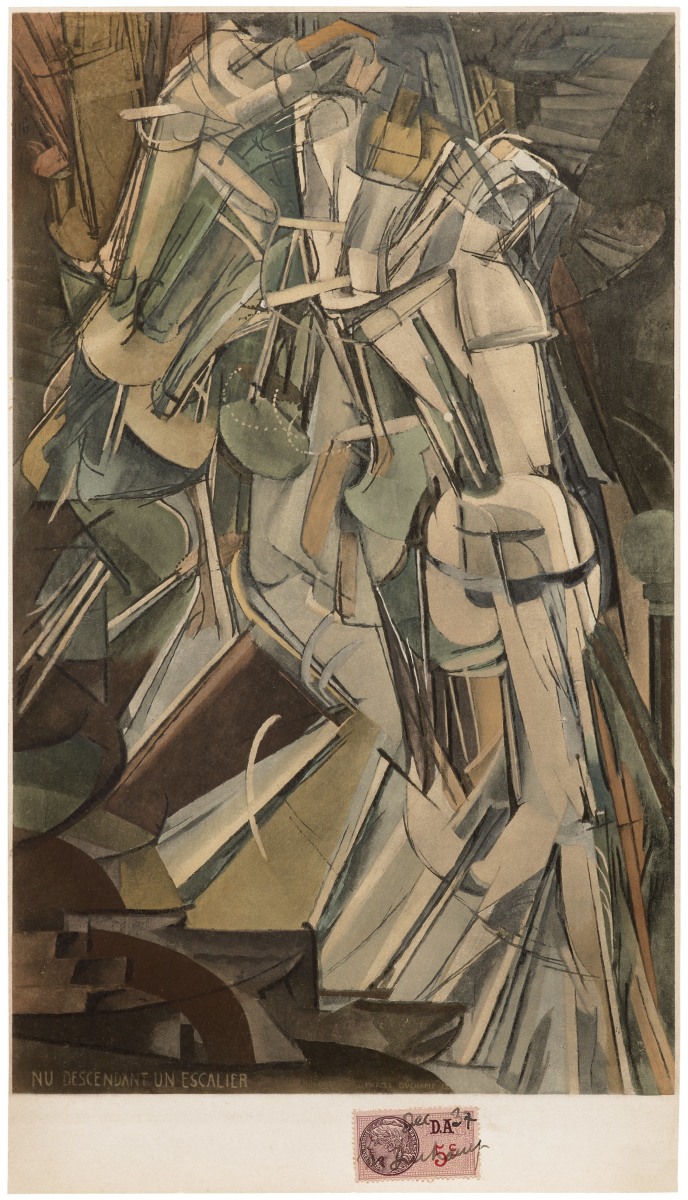
- 'Philadelphia Museum of Art: The Louise and Walter Arensberg Collection, 1950-134-59' — Nude Descending a Staircase (No. 2), 1912
- 'Philadelphia Museum of Art: The Louise and Walter Arensberg Collection, 1950-134-934' — From or by Marcel Duchamp or Rrose Sélavy (Box in a Valise), deluxe edition Series A, 1943
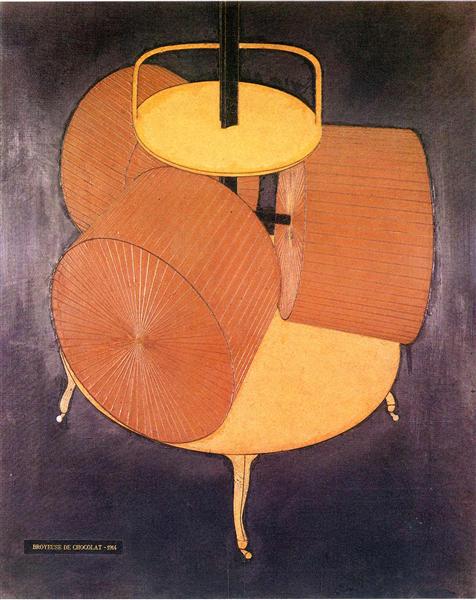
- 'Philadelphia Museum of Art, The Louise and Walter Arensberg Collection, 1950, 1950-134-70' — Chocolate Grinder (No. 2), 1914
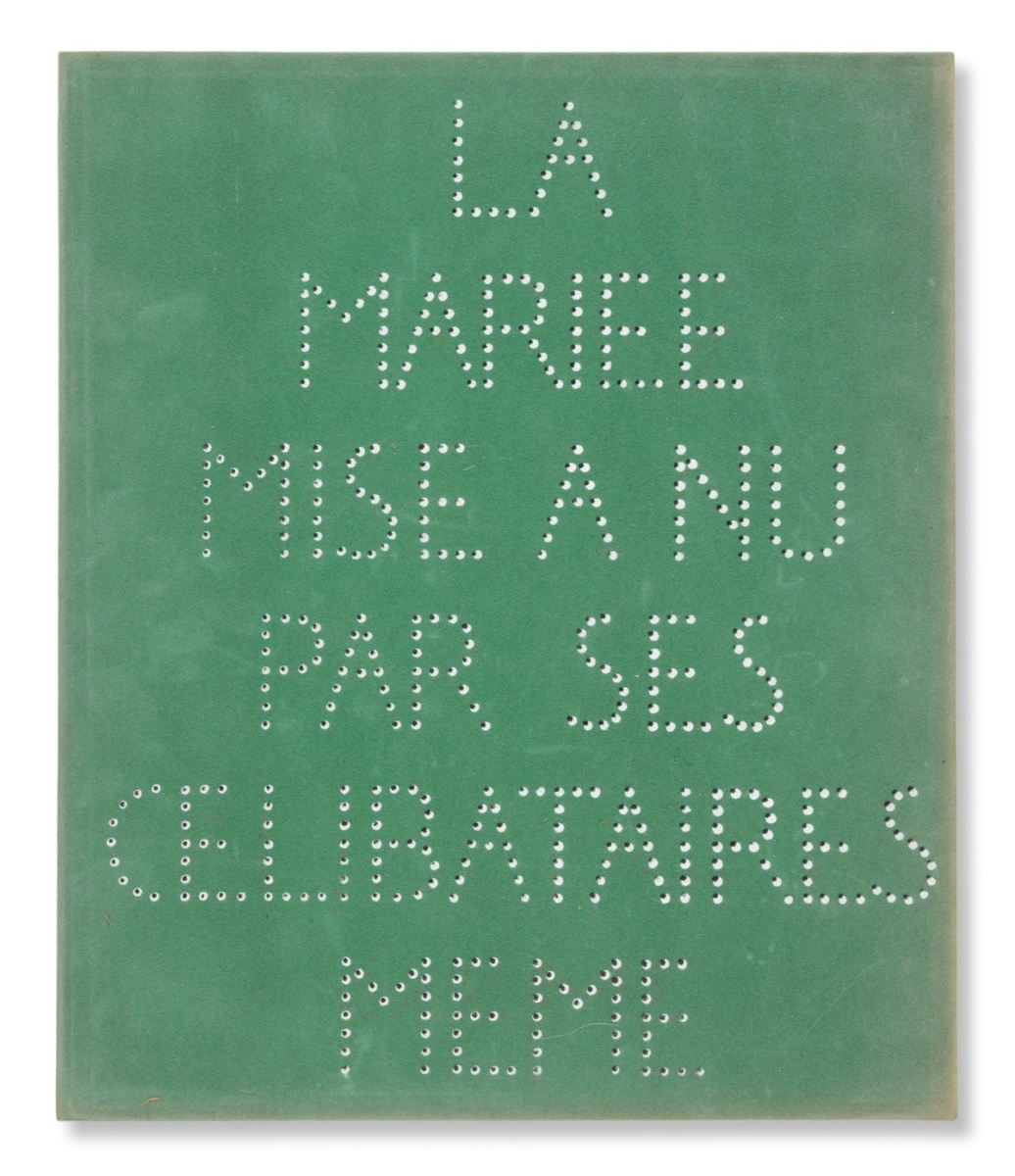
- 'Philadelphia Museum of Art: Bequest of Katherine S. Dreier, 1952-98-1' — The Bride Stripped Bare by Her Bachelors, Even (The Large Glass), 1915-1923
Museum of Modern Art, New York
- Tier
- First-rank
Holdings
Core readymades and paintings on permanent display (Floor 5, The Alfred H. Barr, Jr. Galleries); Wikidata floor 16. Co-organiser of the 2026 retrospective.
Credit line notes
For In Advance of the Broken Arm, August 1964 (fourth version), MoMA object 105050 — credit line not captured in the sources consulted; not inferred.
Credit lines verbatim
- 'The Sidney and Harriet Janis Collection' — Bicycle Wheel, New York 1951 (third version, after lost original of 1913), object no. 595.1967.a-b
Centre Pompidou / Musée National d'Art Moderne, Paris
- Tier
- First-rank
Holdings
Wikidata floor 8; collaborating institution on the 2026 retrospective and organiser of the 2027 Paris version. Credit lines not published in sources consulted.
Israel Museum, Jerusalem
- Tier
- First-rank national museum
Holdings
Wikidata floor 38 — the largest Wikidata-recorded count, reflecting Arturo Schwarz collection gifts. Credit lines not published in sources consulted.
Museum Boijmans Van Beuningen, Rotterdam
- Tier
- First-rank European modern collection
- Holdings
- Wikidata floor 22. Credit line not published in sources consulted.
View 9 more records
Tate (Tate Modern), London
- Tier
- First-rank
- Holdings
- Wikidata floor 5. Credit line not published in sources consulted.
Yale University Art Gallery, New Haven
- Tier
- Major university museum with international loan standing
Holdings
Holds a 1964 Schwarz replica of In Advance of the Broken Arm; Société Anonyme Collection (Dreier bequest) contains substantial Duchamp material. Credit line not published in sources consulted.
Metropolitan Museum of Art, New York
- Tier
- First-rank
- Holdings
- Confirmed via Egon museum-API name-match; prints, multiples and photographic material. Credit lines not retrieved.
Smithsonian Institution (incl. National Portrait Gallery, Hirshhorn)
- Tier
- First-rank national institution
- Holdings
- Confirmed via Egon museum-API; NPG holds/presents Duchamp-related archival material including 1963 Pasadena retrospective interview recordings.
Cleveland Museum of Art
- Tier
- First-rank encyclopedic
- Holdings
- Confirmed via Egon museum-API name-match. Credit lines not retrieved.
Moderna Museet, Stockholm
- Tier
- First-rank national modern museum
- Holdings
- Wikidata floor 5, including the Ulf Linde 1960 authorised Bicycle Wheel reconstruction.
National Gallery of Canada, Ottawa
- Tier
- First-rank national museum
- Holdings
- Wikidata floor 5.
Eskenazi Museum of Art (Indiana University); John and Mable Ringling Museum of Art; Europeana-aggregated European museums
- Tier
- Second-tier / regional and aggregated
- Holdings
- Wikidata floors of 6, 6 and multiple respectively.
Solomon R. Guggenheim Museum; The Menil Collection, Houston
- Tier
- First-rank museum / major private-foundation museum
Holdings
Guggenheim has exhibited Duchamp historically; Menil co-presented 'Joseph Cornell/Marcel Duchamp… in resonance' (1998-99). Holdings counts not verified.
Awards and recognition
Duchamp did not pursue prizes and received few in his lifetime; his recognition is posthumous and structural. The Prix Marcel Duchamp, founded in 2000 by ADIAF with the Centre Pompidou, is France's leading contemporary art award and bears his name. He was a French national chess team player (1920s-30s) and co-authored a chess endgame treatise with Vitaly Halberstadt (1932).
Career & Biography
Research updated
Identity
- Birth
- 28 July 1887, Blainville-Crevon, Normandy, France (Getty ULAN, verified)
- Death
- 2 October 1968, Neuilly-sur-Seine, France (Getty ULAN, verified)
- Gender
- male
- Known as
- Marcel Duchamp; alter ego 'Rrose Sélavy'; pseudonym 'R. Mutt' (Fountain, 1917)
- Full name
- Henri-Robert-Marcel Duchamp
- Nationality
- French; naturalised United States citizen in 1955
- Getty ulan ID
- 500115393
Current location
Deceased 1968. Estate/moral rights administered by the Association Marcel Duchamp (ADAGP, Paris) / ARS New York; authentication historically confirmed by the Association Marcel Duchamp and by Jacqueline Monnier-Matisse (family).
Personal life
Married Lydie Sarazin-Levassor in 1927 (brief); married Alexina 'Teeny' Sattler Matisse in 1954, who survived him and organised his papers; competitive chess consumed the middle decades; his professed indifference to art-world careerism was itself a strategic position.
Career timeline
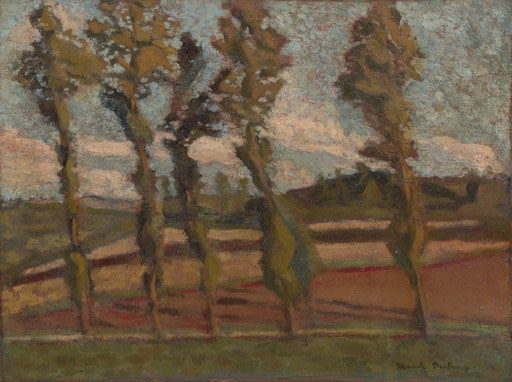
- 1902-1909: earliest landscapes in an Impressionist/Post-Impressionist idiom; first public exhibitions in 1909 at the Salon des Indépendants and Salon d'Automne, Paris.
- 1910-1912: shift through Cézannism and Fauve colour into a personal Cubo-Futurist language; 'Nude Descending a Staircase, No. 2' (1912) withdrawn from the 1912 Salon des Indépendants after organisers objected to its title and content.
- 1913: 'Nude Descending a Staircase, No. 2' becomes the succès de scandale of the Armory Show, New York. Also 1913: first Bicycle Wheel; begins studies for the Large Glass; works as a librarian.
- 1913-1917: invention of the readymade — Bicycle Wheel (1913), Bottle Rack (1914), In Advance of the Broken Arm (1915), Fountain (1917, submitted as 'R. Mutt' to the Society of Independent Artists and rejected).
- 1915: arrives in New York; central figure of New York Dada with Man Ray and Francis Picabia; patronage of Walter and Louise Arensberg and Katherine S. Dreier.
- 1918-1919: Buenos Aires (nine months of intensive chess); returns to Paris and the Dada group.
- 1920: first motorised optical constructions; invents the female alter ego Rrose Sélavy; co-founds the Société Anonyme with Dreier and Man Ray.
- 1923: leaves 'The Bride Stripped Bare by Her Bachelors, Even (The Large Glass)' definitively unfinished; returns to Paris and ostensibly withdraws into competitive chess (French national team; chess endgame treatise with Vitaly Halberstadt, 1932).
- 1934: Green Box; 1935: Rotoreliefs; 1935-41 conceives 'De ou par Marcel Duchamp ou Rrose Sélavy (Boîte-en-valise)', the portable museum edition.
- Mid-1930s onward: collaborates with the Surrealists and designs their exhibition installations (1938 Paris; 1942 'First Papers of Surrealism', New York).
- 1942: settles permanently in New York; 1955 US citizenship.
- 1946-1966: works in complete secrecy on 'Étant donnés: 1° la chute d'eau, 2° le gaz d'éclairage', revealed only after his death.
- 1963: first retrospective, 'Marcel Duchamp: A Retrospective Exhibition', Pasadena Art Museum. 1964: authorises the Galleria Schwarz (Arturo Schwarz, Milan) editions of 13 readymades in editions of 8 plus proofs — the objects that constitute virtually the entire tradable readymade market.
- 1965: the Schwarz readymade editions shown in New York at Cordier & Ekstrom, 980 Madison Avenue — the same building Gagosian reopened with a Duchamp readymades show in April 2026.
- 1968: dies at Neuilly-sur-Seine; 1969 Étant donnés installed permanently at the Philadelphia Museum of Art per his instructions.
Artistic philosophy
Rejection of 'retinal' (purely optical) art in favour of art in the service of the mind; the spectator completes the work; indifference, chance, irony and linguistic punning as method; collapse of the distinction between original and replica.
Education and training
Formal
Moved to Paris in 1904 to join his artist brothers Jacques Villon and Raymond Duchamp-Villon; studied painting at the Académie Julian, Paris, until 1905 (he was not a committed academic student).
Informal
Self-directed absorption of Post-Impressionism, Fauvism, Cézanne, Cubism and Futurism through Paris avant-garde circles; the Puteaux Group (Section d'Or) around his brothers, with Léger, Apollinaire, Kupka, Gleizes and Metzinger (Getty).
Technical training
Brief work as a commercial cartoonist/illustrator (from 1904-05); later self-trained in optics, mechanical drawing, glass and precision materials for the Large Glass; librarian employment at the Bibliothèque Sainte-Geneviève, Paris (1913).
Studio practice and method
Anti-productivist and deliberately slow: selection rather than fabrication ('choosing' as the artistic act); long gestation (Large Glass 1915-23; Étant donnés 1946-66); extensive use of notes, boxes and reproductions as works in themselves (Green Box, Boîte-en-valise); delegated fabrication (Galleria Schwarz; Milan printer Giorgio Upiglio); working in secrecy from New York studios including 33 West 67th Street.
Influences context contemporaries
Influences
Cézanne; Fauvism; Analytic Cubism; Futurism; Muybridge's and Marey's chronophotography; Raymond Roussel's language games; non-Euclidean geometry, the fourth dimension and precision optics; Alfred Jarry's pataphysics.
Artists he shaped
John Cage, Robert Rauschenberg, Jasper Johns, Andy Warhol, Joseph Kosuth, Bruce Nauman, Sherrie Levine, Damien Hirst, Maurizio Cattelan — effectively the entire conceptual, Pop, Fluxus and appropriation lineage.
Contemporaries and collaborators
Jacques Villon and Raymond Duchamp-Villon (brothers), Suzanne Duchamp (sister), Man Ray, Francis Picabia, Constantin Brancusi, Katherine S. Dreier, Walter and Louise Arensberg, André Breton, Arturo Schwarz, Richard Hamilton, Ulf Linde.
Artistic Profile
Research updated
Style
There is no single Duchamp style, and the fingerprint's low coherence (0.38, n=38) is a correct read of a deliberately discontinuous practice, not a data problem. Constant across the discontinuity: anti-'retinal' intent (art addressed to the mind); mechanical and diagrammatic drawing conventions borrowed from technical illustration; deadpan, affectless surface; linguistic punning inseparable from the object; preference for the manufactured over the handmade; chance and indifference as compositional devices.
Evolution
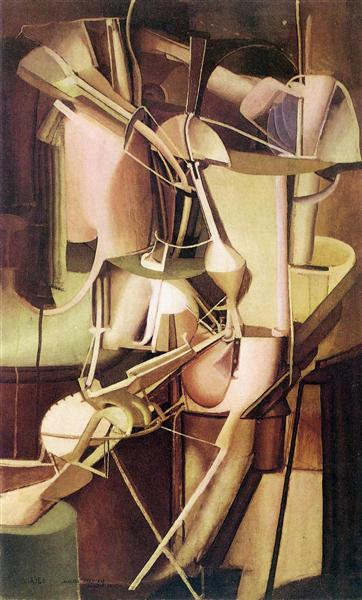
Impressionist landscapes (to 1909) → Cézannist and Fauve figuration (1910) → Cubist fragmentation and Futurist motion culminating in Nude Descending a Staircase, No. 2 (1912) → abandonment of painting for the readymade and the machine-diagram idiom (1913-17) → the Large Glass and its note-apparatus (1915-23) → optical machines, films and the Rrose Sélavy persona (1920-26) → apparent retreat into chess with covert continuation via boxes, editions and Surrealist installations (1923-45) → twenty clandestine years on Étant donnés alongside authorised replication of his own early work in editions (1946-68). The late editioning phase is the crucial one for collectors: it converted a body of lost objects into a finite, authenticated, tradable supply.
Influences
Cézanne, the Fauves, Analytic Cubism, Futurism, Muybridge and Marey's chronophotography, Raymond Roussel, Alfred Jarry, Poincaré and popular fourth-dimension literature, technical and patent drawing.
Visual language
Achromatic and grisaille works on paper at intimate scale with centralised composition and expansive negative space; wireframe and biomorphic schematics; industrial objects presented at ambient human scale with minimal or no alteration; handwriting, inscriptions and typography as load-bearing formal elements; the ochre/umber palette of the Cubo-Futurist paintings and the polychrome Rotoreliefs as the colour exceptions to the achromatic reading.
Themes and subjects
Desire mechanised (the Bride/Bachelor apparatus); eroticism rendered as machinery; chess as a model of pure thought and as recurring iconography; identity and gender play (Rrose Sélavy); chance, measurement and error (3 Standard Stoppages); the fourth dimension and non-Euclidean space; commerce, money and speculation (Monte Carlo Bond, Tzanck Check); the museum, the reproduction and the portable canon (Boîte-en-valise); authorship, choice and the status of the art object; the original/replica axis as subject matter in its own right.
Movements and periods
Post-Impressionism and Fauvism (1902-10) → Cubism / Cubo-Futurism and the Puteaux Section d'Or (1911-12) → proto-Dada and the readymade (1913-17) → New York and Paris Dada (1915-23) → Surrealist affiliation and exhibition design (1930s-40s) → progenitor of Conceptual art, Fluxus, Pop, institutional critique and appropriation (posthumously). Period bracket 1900-1968. DISAGREEMENT WITH EXISTING FINGERPRINT: its 'Modern / 1900-1945' tags hold for the tier-1 print corpus but under-represent the postwar phase (Étant donnés 1946-66; the 1964-68 editions), which is where most tradable objects originate.
Techniques and mediums
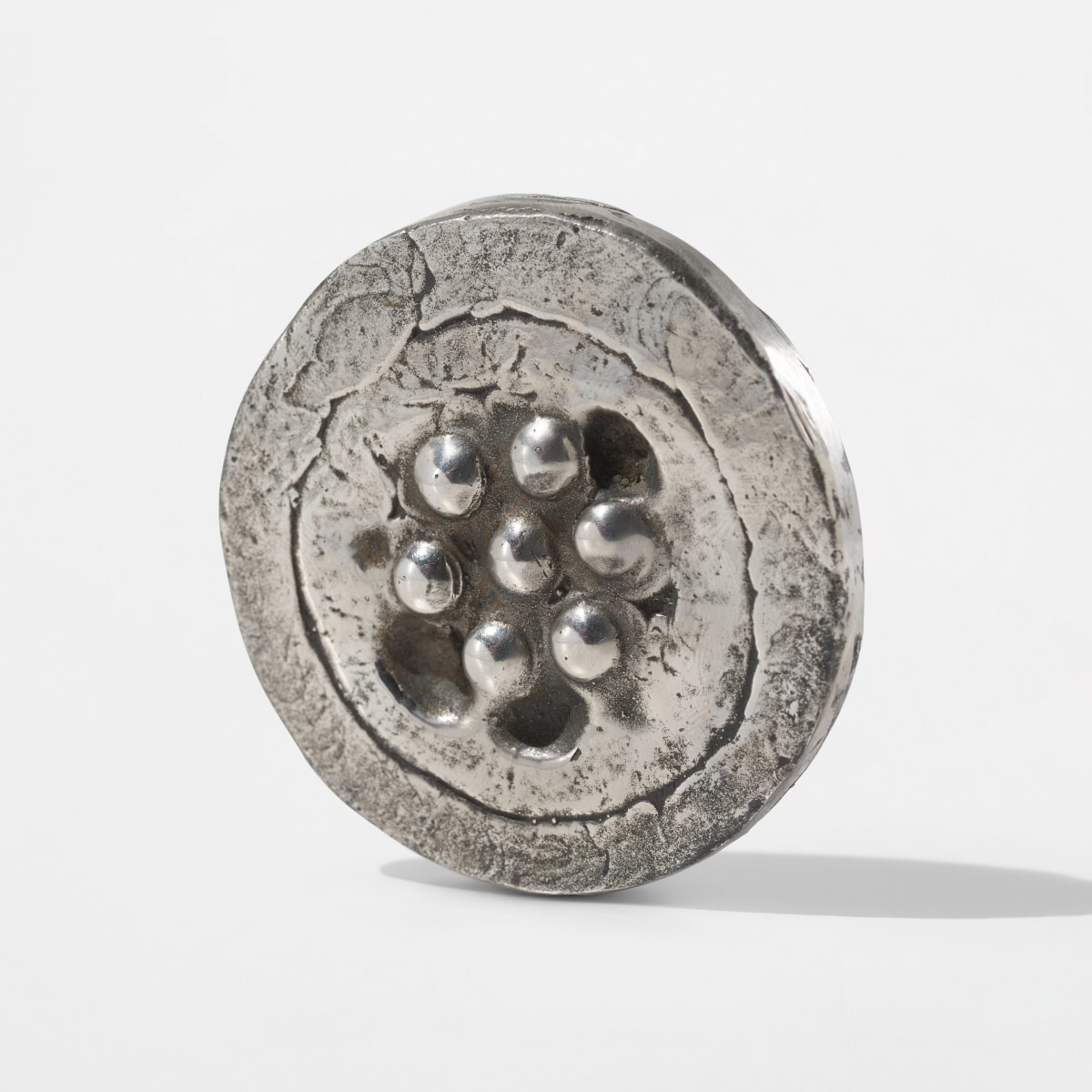
Oil on canvas; oil, lead wire, foil, dust and varnish on glass (The Large Glass); readymade and assisted-readymade selection of manufactured objects; etching, drypoint, offset lithography, screenprint and collotype on Japan, Pescia and handmade papers; optical machines and film (Rotary Glass Plates, Rotoreliefs, Anémic Cinéma); mixed-media assemblage and tableau (Étant donnés); cast silver and metal replicas of found domestic objects (Sink Stopper, S.608); boxed multiples and facsimile editions; delegated fabrication (Galleria Schwarz, Milan; printer Giorgio Upiglio).
Fingerprint verification
Confirmed
Achromatic/monochromatic and grisaille palettes, intimate scale, centralised composition, generous negative space, ironic/playful/austere mood, and the collector themes of appropriation and quotation, play and humour, and process and materiality — all confirmed by the print and multiple corpus that dominates auction supply (etchings from 'The Large Glass and Related Works', Pulled at Four Pins, The Chess Players, the silver Sink Stopper S.608).
Signature works extended
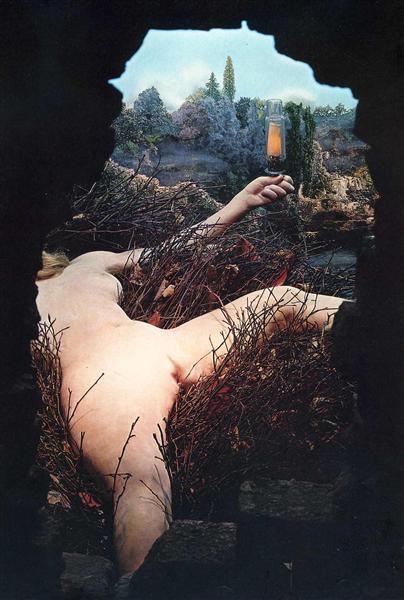
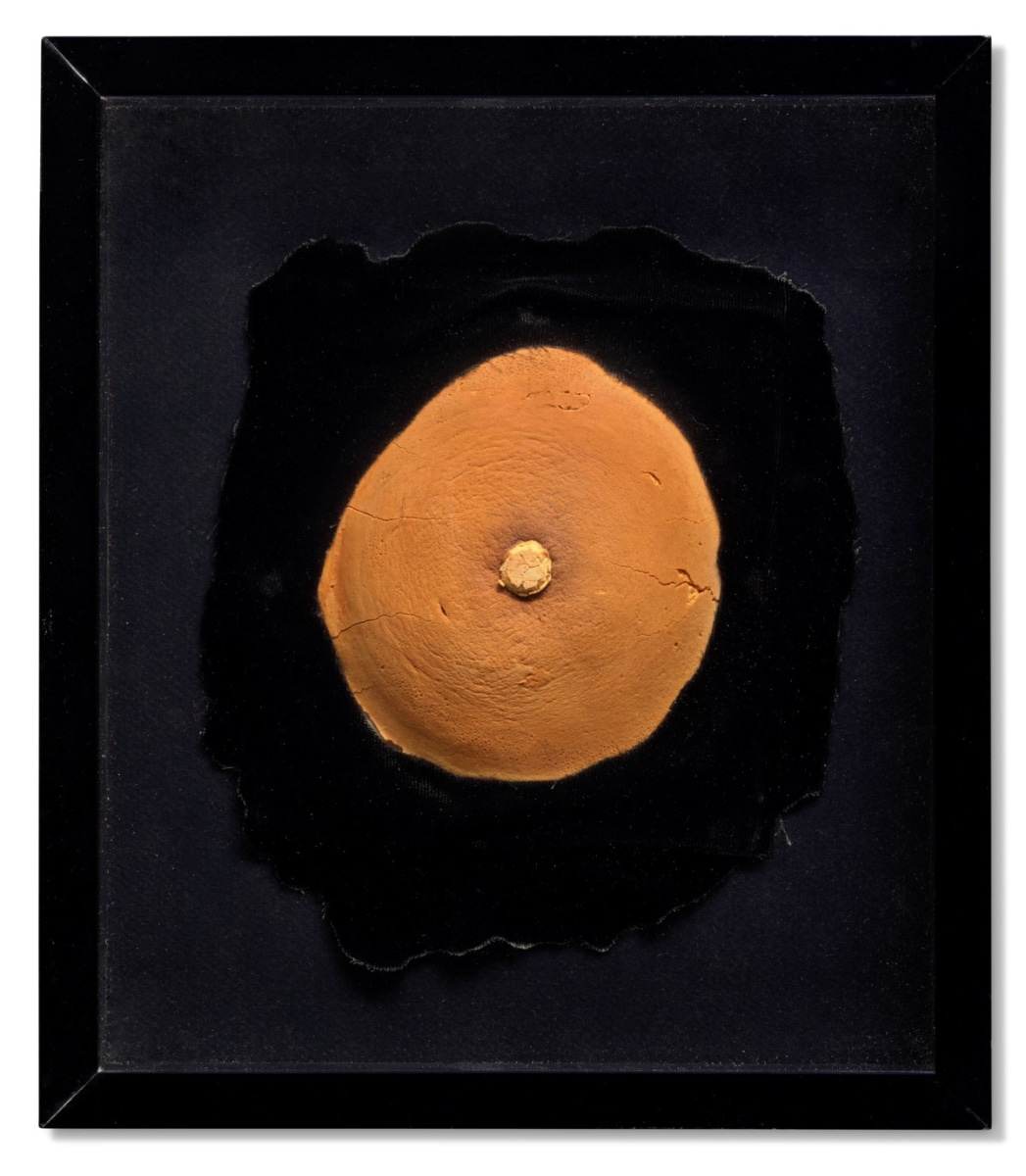
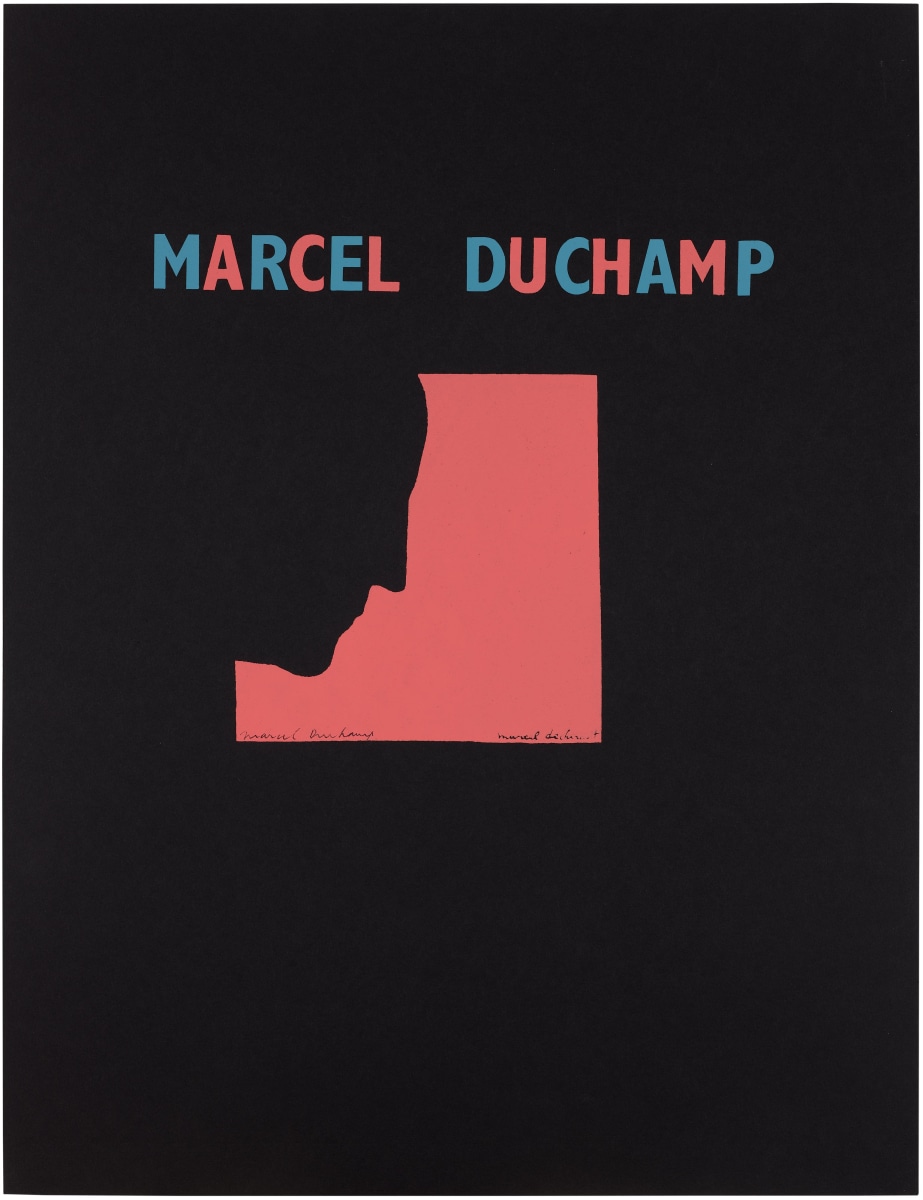
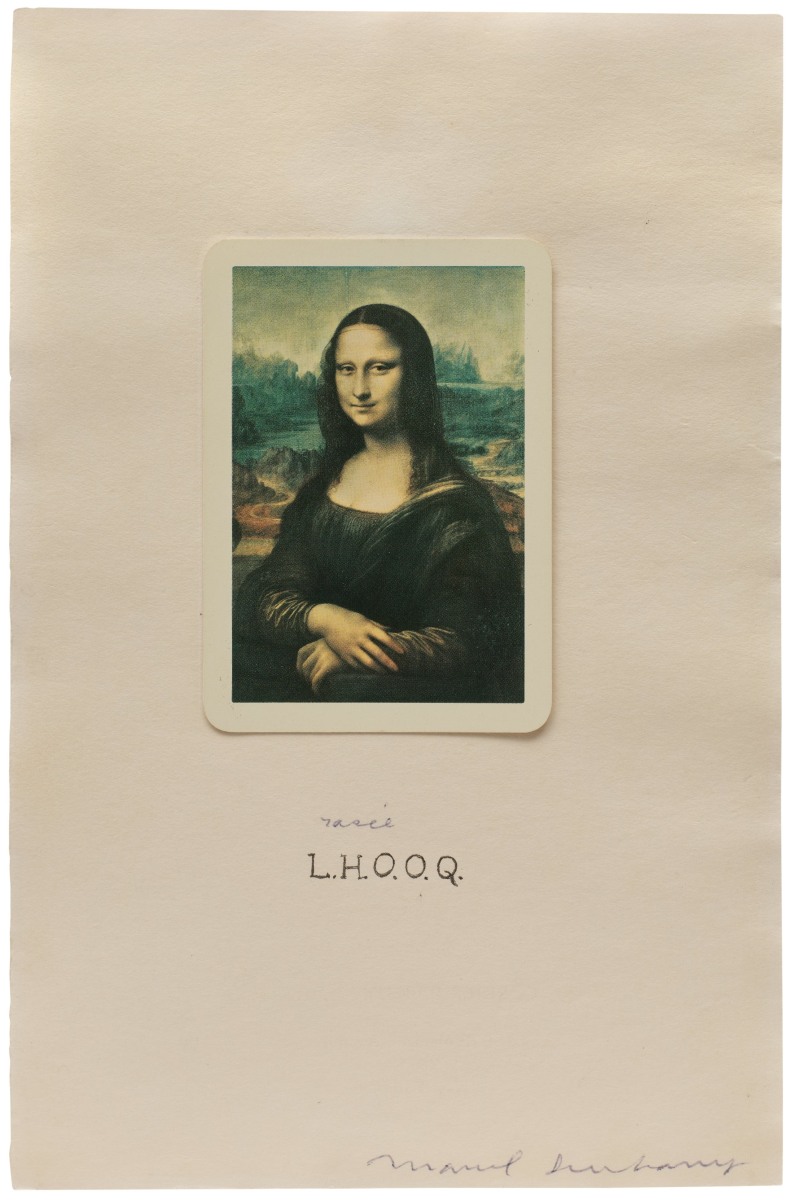
Egon's centroid list (Tiré à 4 épingles S.575; King and Queen S.652a; Poster after Self-Portrait in Profile S.565b; The Chess Players S.621b; The Large Glass S.630a) accurately describes the tradable print corpus. The canonical corpus, absent from that list and almost entirely museum-locked: Nude Descending a Staircase, No. 2 (1912, PMA); The Large Glass (1915-23, PMA); Fountain (1917, lost; replicas 1950/1963/1964); Bicycle Wheel (1913 lost; 1951 version at MoMA); In Advance of the Broken Arm (1915 lost; 1964 editions); L.H.O.O.Q. (1919); Belle Haleine (1921); Boîte-en-valise (1935-41 onward); Étant donnés (1946-66, PMA).
Corrections and additions
- 'Surrealism (3)' out-ranking 'Dadaism (2)' inverts the art-historical weighting. Duchamp was a fellow-traveller and exhibition designer for the Surrealists but never a member; his primary association is Dada and, more consequentially, Conceptualism. Weight Dada/Conceptualism above Surrealism.
- The fingerprint is built on prints and small objects and misses the two categories carrying the top prices and the canonical identity: the 1964 Schwarz READYMADE editions (industrial objects at human scale — snow shovel 131 cm, bottle rack, urinal) and the unique rectified/imitated readymades (Belle Haleine, Monte Carlo Bond, L.H.O.O.Q.). Add: 'industrial object at ambient scale, unaltered or minimally inscribed'.
- Add colour where it exists: the Cubo-Futurist paintings use ochre/umber/tan; the Rotoreliefs are polychrome. Achromatic is accurate only for the works on paper.
- Add TEXT AS FORM: inscriptions, dedications and titles are load-bearing formal elements and materially affect value (e.g. the Boîte-en-valise inscribed to the Lewins).
- Add the ORIGINAL/REPLICA axis as an aesthetic category, not merely a production method.
Critical Reception
Research updated
Critical reception
Recurring debates
Nihilist provocateur versus rigorous system-builder; the originality/replica problem created by the 1964 Schwarz editions; feminist and queer readings of Étant donnés and Rrose Sélavy; the Picasso-versus-Duchamp framing of twentieth-century art (cf. Daniel Birnbaum, 'He Was Wrong', 2013).
Current 2026 cycle
The MoMA retrospective was received as a major scholarly and curatorial achievement. ARTnews's review, headlined 'Do We Have Duchamp All Wrong? A Brilliant MoMA Retrospective Reintroduces One of Modernism's Greats' (8 April 2026), describes a chronological presentation filling MoMA's entire sixth floor, praising as an 'admirable curatorial flourish' the decision to omit any Fountain from the early readymade gallery because the 1917 original was lost, with the 1950, 1963 and 1964 replicas placed in later rooms addressing Duchamp's demolition of the original/replica dichotomy. Artforum previewed the show, noting that a complete picture of the works has proven elusive and that no major US retrospective had occurred since 1973. The Art Newspaper covered it in its podcast (10 April 2026) as the first major US survey in half a century. Artsy ran a service piece, '8 Artists to Follow If You Like Marcel Duchamp' (17 April 2026).
Historical reception
From scandal (1912 Salon des Indépendants withdrawal; 1913 Armory Show; 1917 Fountain rejection) to full canonisation. Barbara Rose, writing in Partisan Review in 1974 on the 1973 MoMA retrospective, argued that Étant donnés achieves a cerebral/sensual balance largely lacking in Duchamp's conceptual followers — an early instance of the recurring critical move of separating Duchamp from Duchampianism. MoMA's own 2026 framing notes that scholarship has flourished over the intervening half-century 'as have myths and misconceptions'.
Academic positioning
A foundational node in the historiography of modernism — the cited origin point for Conceptual art, institutional critique, appropriation and the readymade. MoMA frames the question 'Why is this art?' as virtually impossible to answer without reference to him. Scholarship (Schwarz, Lebel, Bonk, Tomkins, Naumann, de Duve, Molesworth) continues independently of the market, and the Duchamp Research Portal institutionalises it.
Publications and media
Sustained coverage in ARTnews, Artforum, The Art Newspaper, Artsy, Hyperallergic, e-flux, Juliet Art Magazine and ArtDaily; mainstream and lifestyle pickup (Hypebeast, Patch) for the Gagosian opening. The Smarthistory module on In Advance of the Broken Arm is standard undergraduate curriculum.
Egon news record verification
Finding
Egon grouped all 8 recent news items as 'Retrospective'. Verified against the quotes, THAT LABEL IS WRONG FOR AT LEAST THREE ITEMS — the quote wins in each case.
Net reading
The recent news volume reflects ONE institutional event (the MoMA/PMA/Pompidou retrospective) plus ONE commercial event (Gagosian) plus derivative editorial traffic — not eight retrospectives. This matters for momentum scoring: the attention is real and concentrated, but it is a single validation cycle, not an accumulation of separate institutional commitments.
Reclassification
- 'Gagosian to Debut New Gallery With Duchamp's Readymades' (Hyperallergic, 13 Apr 2026) — a COMMERCIAL GALLERY EXHIBITION / gallery-expansion story, not a retrospective; it merely runs concurrently with MoMA's. Correct label: Gallery exhibition / market event.
- 'Marcel Duchamp readymades show to inaugurate new Gagosian Upper East Side gallery' (Artsy, 14 Apr 2026) — same event, same reclassification, with a provenance-history angle (980 Madison, where the Schwarz editions were first shown in New York in 1965).
- '8 Artists to Follow If You Like Marcel Duchamp' (Artsy, 17 Apr 2026) — EDITORIAL SERVICE CONTENT / recommendation listicle, not a retrospective; a signal of audience attention, not institutional action.
- Correctly labelled retrospective coverage: the ARTnews review (8 Apr 2026) and The Art Newspaper podcast (10 Apr 2026), both on the MoMA exhibition.
Gallery & Representation
Research updated
Fair presence
Duchamp material appears regularly at TEFAF Maastricht/New York, Art Basel (modern-master and Kabinett presentations), Frieze Masters and the IFPDA Print Fair via specialist dealers. No dedicated estate booth exists.
Representation
Status
Deceased 1968 — no representation in the living-artist sense. Rights and authentication administered by the Association Marcel Duchamp (ADAGP, Paris; ARS, New York); the family (Jacqueline Monnier-Matisse) has also confirmed authenticity on recent auction lots.
Historic dealers
Galleria Schwarz, Milan (Arturo Schwarz — editioned the 1964 readymades and authored the catalogue raisonné); Cordier & Ekstrom, New York (1965); Julien Levy Gallery, New York (1930s-40s); Galerie Givaudan, Paris (1967-68 editions); Ronny Van de Velde, Antwerp (1990s editions/exhibitions); Francis M. Naumann Fine Art, New York (specialist secondary dealer and scholar).
Secondary market channels
Christie's, Sotheby's, Phillips and Bonhams for editions and prints; Invaluable, LotSearch and 1stDibs for ephemera, posters and reproduction editions.
Current commercial champion
- Tier
- Tier 1 (global mega-gallery)
Detail
Inaugurated the new gallery on 25 April 2026 with a survey of Duchamp's readymades running to 27 June 2026, staged deliberately in the same building where the 1964 Schwarz editions were first shown in New York in 1965 by Cordier & Ekstrom. Included Fountain (1964, after 1917 lost original), L.H.O.O.Q. (1964), Porte-bouteilles (1964) and Boîte-en-valise. This is the strongest commercial signal in the Duchamp field in decades, but it is a loan/consignment survey, not an estate representation agreement.
- Gallery
- Gagosian
- Location
- 980 Madison Avenue, New York (new ground-floor space, Upper East Side)
Geographic reach
Trade concentrated in New York, Paris and Milan; institutional reach global (US, France, Netherlands, Sweden, Canada, Israel, UK; touring presentations in Japan, Korea and Australia 2018-19; currently on view at Centre Pompidou Málaga).
Sources & research notes
Egon’s artist research combines historical auction records, recent sales, institutional history, critical reception and gallery information. Researched auction records and auction highlights are identified separately.
Read prices with their work, sale date, currency and stated basis. Egon’s market assessments are distinct from reported auction results.
Reference: Egon, “Marcel Duchamp: Market Intelligence & Investment Profile.”
Research bibliography · 39 sources
Sources recorded for this artist’s research. This bibliography does not assign every source to an individual claim.
- Marcel Duchamp | MoMA (exhibition page, Apr 12–Aug 22, 2026)
- MoMA Announces Major Retrospective of Marcel Duchamp, Opening in April 2026 (press release)
- Do We Have Duchamp All Wrong? A Brilliant MoMA Retrospective Reintroduces One of Modernism's Greats — ARTnews
- Preview: Marcel Duchamp at MoMA — Artforum
- Marcel Duchamp at MoMA … — The Art Newspaper podcast
- Marcel Duchamp — Exhibition at MoMA (ArtRabbit listing, tour dates)
- MoMA announces major Marcel Duchamp Retrospective — FAD Magazine
- Marcel Duchamp readymades show to inaugurate new Gagosian Upper East Side gallery — Artsy
- Gagosian to Debut New Gallery With Duchamp's Readymades — Hyperallergic
- Gagosian To Open New UES Gallery With Duchamp Show — Patch
- Marcel Duchamp Gagosian Upper East Side Exhibition — Hypebeast
- 8 Artists to Follow If You Like Marcel Duchamp — Artsy
- The Dada Perfume That Shattered Marcel Duchamp's Auction Record — HENI News
- Marcel Duchamp | 1,330 Artworks at Auction — MutualArt
- Marcel Duchamp — Auction Results and Sales Data | Artsy
- Marcel Duchamp Art Value Price Guide — Invaluable
- Marcel Duchamp — lots in our price database — LotSearch
- Boîte-en-valise, série B — Sotheby's Modern Day Auction 2025
- Boîte-en-valise, série B (Villanueva Collection) — Sotheby's Modern Day Auction
- Boîte-en-valise, Series A (ex-Warhol) — Sotheby's Contemporary Evening Auction 2023
- Marcel Duchamp. In Advance of the Broken Arm. 1964 — MoMA collection
- Marcel Duchamp's Readymades: Celebrating the Centennial — MoMA
- Bicycle Wheel [Marcel Duchamp] — Sartle (MoMA credit line, object no. 595.1967.a-b)
- Here's looking at: Marcel Duchamp's Bicycle Wheel 1913 — The Conversation
- Marcel Duchamp — Philadelphia Museum of Art (credit lines)
- Marcel Duchamp — Philadelphia Museum of Art press images and credit lines
- The Essential Duchamp to Tour Japan, Korea, and Australia in 2018-2019 — PMA press
- Marcel Duchamp research guide / Duchamp Research Portal — Philadelphia Museum of Art
- In Advance of the Broken Arm — Wikipedia
- Étant donnés — Wikipedia
- New York Dada — Wikipedia
- Marcel Duchamp Biography (Guggenheim-derived chronology)
- Marcel Duchamp — Life and work (Fundación Proa)
- Marcel Duchamp — Biography, Paintings, Style & Facts (AstaGuru)
- Interview with Earl Carter, Pasadena Art Museum 1963 — Smithsonian National Portrait Gallery
- Barbara Rose on the 1973 Duchamp retrospective — Partisan Review, Vol. 41 No. 4, 1974
- Art as concept: Marcel Duchamp, In Advance of the Broken Arm — Smarthistory
- May 2026 auction season analysis — David Shapiro Fine Art blog
- Marcel Duchamp, Galerie Givaudan poster 1968 — 1stDibs retail listing
Research updates by section
These dates show when Egon’s research sections were updated. Source retrieval dates, where supplied above, refer to individual evidence notes.
Ranking updated . Research sections follow their own update dates.
This is what the market knows about Marcel Duchamp. What Egon can also tell you: whether Marcel Duchamp fits your portfolio — based on your existing holdings, budget, and investment timeline.
Get personalized analysisActive market signals
Inside Egon
Signal timeline & strength analysis
Gallery moves, auction records, institutional acquisitions, price milestones — tracked over 90 days
Full signal timeline, strength analysis, and alert configuration for Marcel Duchamp.
Collector demographics & buyer analysis
Geographic distribution, institutional vs. private buyers, collector profiles, and secondary market activity
Who is collecting Marcel Duchamp? Geographic distribution, institutional vs. private buyers, and collector profile analysis.
Personalized acquisition strategy
Optimal entry points, comparable pricing analysis, timing recommendations, and portfolio fit assessment
Personalized acquisition strategy for Marcel Duchamp based on your budget, timeline, and collection goals.
Go deeper with personalized intelligence
You now have Egon's market assessment of Marcel Duchamp. The next question is personal: does this artist belong in your collection? Egon analyzes collection fit based on your aesthetic thesis, existing holdings, budget, and investment goals — delivering acquisition strategies no public index can provide.